Microsoft Should License Surface Studio Design to Other Brands
A New Opportunity for the Surface Brand
Microsoft has been working on new Surface hardware, but it seems unlikely that a new Surface Studio will be part of this announcement. Some of the most iconic Surface devices have now been retired and are no longer in production. However, there is a plan to revive the legacy of these devices, which could ultimately benefit Microsoft financially.
Earlier this month, I outlined four steps to save the Surface brand, but I've since come up with an additional idea: Microsoft should license its abandoned designs to other original equipment manufacturers (OEMs). The first design that another company should consider adopting is the Surface Studio, but not as an all-in-one device. Instead, it should be reimagined as a monitor.
The Evolution of Surface
Surface is no longer what it once was. It used to be a family of experimental devices that pushed the boundaries of hardware and introduced new form factors. However, the current lineup of Surface devices doesn't stand out as much as they once did. By licensing the Surface brand and certain designs, Microsoft can keep the legacy alive while leveraging the expertise of other manufacturers.
The "wow factor" has decreased partly because Surface achieved one of its goals. The Surface Pro series inspired a wave of 2-in-1 devices, and the Surface Laptop demonstrated what a premium Windows laptop could be. While I understand why Microsoft made changes to its plans, I don’t necessarily agree with them.
Several Surface devices have been discontinued, including the Surface Hub, the Surface Pro X, and the Surface Laptop Studio. These devices were once groundbreaking, but they are now considered relics of a bygone era. However, a streamlined Surface lineup doesn’t have to mean the end of innovative hardware.
A Gorgeous but Flawed Device
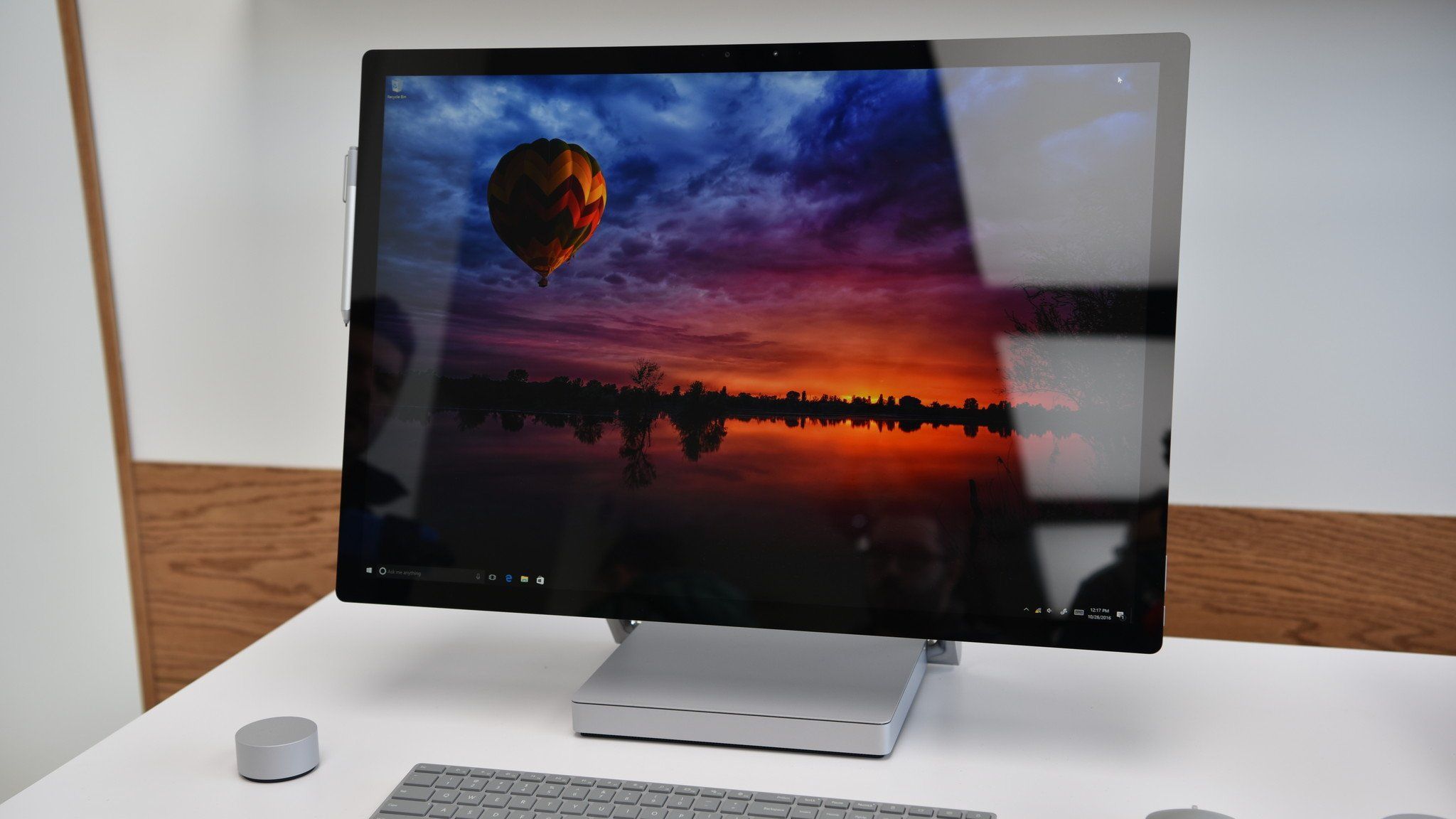
I’ve never encountered a device that captivated me more than the original Surface Studio. Nearly a decade ago, I had the privilege of using a Surface Studio as my main PC at a job. I was constantly in awe of the beautiful, thin display that seemed to float in mid-air.
Despite its elegance and unique design, the Surface Studio had some flaws. One reason I could use that specific model was because I worked at a creative company where the specs were sufficient for my needs. However, the hardware was underwhelming at launch and aged poorly over time.
Microsoft refreshed the Surface Studio a couple of times, ending with the Surface Studio 2+. This all-in-one device cost $4,699 when it launched and came with outdated internals right from the start.
But the Surface Studio wasn’t really about the internal components. I believe Microsoft failed to recognize the true value of what they created with the Surface Studio. It was marketed as an all-in-one, but many users cared more about the display.
That’s why it deserves a second life, even if Microsoft won’t build it.
Resurrecting the Surface Studio
I’m not the first person to ask for a Surface Studio monitor. A quick search online shows numerous discussions either questioning why there was never a Surface Studio monitor or highlighting the top comment suggesting there should have been one.
The Surface Studio was incredibly expensive, and it definitely wasn’t due to its internal components. I think it’s safe to assume that a significant portion of its cost was attributed to the monitor and its unique hinge. That would mean a Surface Studio monitor would also be expensive.
Microsoft already licenses hardware designs and branding when it makes business sense. Surface should be no different.
While Microsoft may not want to take the risk of targeting a niche market, another OEM could. Manufacturers are always looking for halo products that stand out in a crowded space. The Surface Studio monitor fits that perfectly.
The risk would also be smaller for the right buyer. Surface devices are iconic, but Surface is a boutique brand with bespoke hardware purchased on a small scale. The right OEM could spend less while producing the same hardware.
The concept of “Designed by Microsoft” products already exists. Several Microsoft-branded accessories are now licensed by Incase. Interestingly, Microsoft moved away from those designs to focus more on the Surface brand.
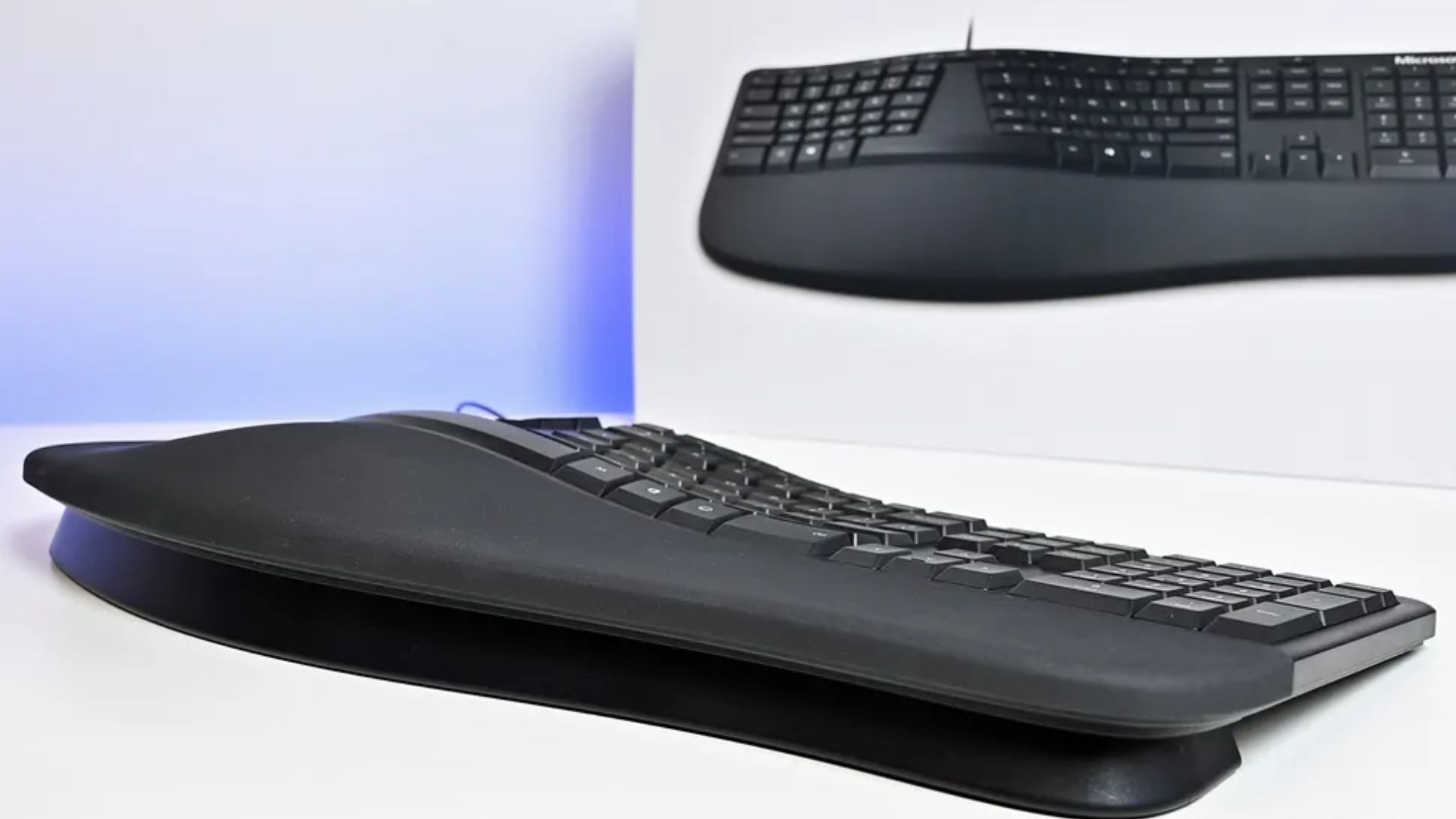
Although this isn’t the same situation, Microsoft has previously featured iconic brands on hardware made by other companies, such as the Xbox ROG Ally X.
Microsoft could, and should, find a partner to resurrect Surface designs. The Surface Studio’s display would need to be updated with thinner bezels to meet expectations in 2026. Of course, it would also need to be made into a monitor rather than just the display of an all-in-one device.
A Surface Studio monitor with a built-in Thunderbolt dock would allow people to connect their PCs easily to a stunning display. From a powerful desktop PC to the next Surface Pro, users could connect to the Surface Studio monitor, bypassing the limitations of outdated hardware inside the original Surface Studio.
If Microsoft won’t build this hardware anymore, it should at least let someone else do it.
A Strategic Move for Microsoft
The OEM that licenses the Surface Studio design would be able to sell a unique, premium product without having to go through the entire design process or incur high costs. The Surface Studio monitor could also be sold as part of an ecosystem of premium products from that manufacturer.
A bring-your-own-PC approach would allow the Surface Studio monitor to shine as a display without being held back by dated internals that drive up the cost without adding value.
A licensed Surface Studio monitor wouldn’t fix the entire Surface brand, but it would prove that there is still value in the ideas Microsoft walked away from.
If Microsoft won’t build this hardware anymore, it should at least let someone else do it. The Surface Studio design deserves a second life, and licensing it out is the simplest way to keep Surface’s best work from fading into the graveyard.