'We Want to Restore Its Soul': Trust Seeks to Save 200-Year-Old Landmark
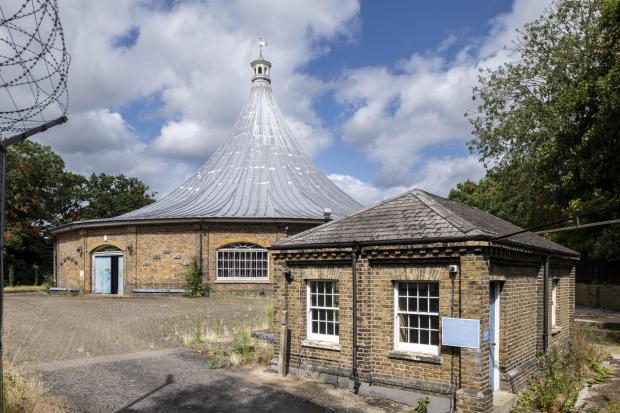
A New Hope for Woolwich Rotunda
A recently formed trust has stepped forward to save a historic building that dates back 200 years, aiming to give it a new lease of life. The Woolwich Rotunda, originally constructed in 1814 by John Nash, was built to commemorate the Wellington Fête, which celebrated Britain's victory over Napoleon. It was later relocated to Woolwich Common between 1818 and 1820.
For the past 25 years, the building has remained dormant after the Royal Artillery Museum moved its collection from the site. Currently owned by the Ministry of Defence, it is listed for sale on Rightmove through agents Avison Young. Among the interested parties is the newly formed Rotunda Trust, led by engineer Michael Trousdell and resident Lara Ruffle Coles.
The trust, in collaboration with the Greenwich Enterprise Board, has submitted plans to restore the building and bring it back to life. Their vision includes transforming the Rotunda into an events space for schools, businesses, weddings, and celebrations. According to the trust, two-thirds of the building is currently supported by scaffolding due to years of neglect.
“It’s been sitting there as a dead space, and that’s really sad for a building like this,” Lara said. “We don’t want it to become a fossil. We want it to be alive again.”
Current Condition and Restoration Plans
Much of the interior of the Woolwich Rotunda is currently held up by emergency scaffolding after decades of disuse. Restoration works are estimated to cost several million pounds. The Rotunda has been on Historic England’s Heritage at Risk register since 2007, with assessments indicating it is in “very bad” condition, highly vulnerable, and facing a declining outlook.
The trust has submitted two bids, one of which involves the Greenwich Enterprise Board, known for restoring buildings such as the Orangery off Eltham High Street. The trust has proposed a £1 bid, emphasizing the need for funds to be directed toward vital repair works estimated to cost between £3 million and £6 million.
The trust argues that conservation should take precedence over purchase price, with a commercial company proposed to lease the building and pay either 10 per cent of revenue or 30 per cent of profit back to the trust. If successful, the Rotunda Trust aims to restore the historic building as a community and events venue, returning the former Royal Artillery Museum site to public use for the first time in 25 years.
Future Vision and Community Engagement
If successful, the Rotunda Trust wants to restore the building as a living, active public venue, returning it to its original purpose as a place for people to gather. Plans include opening the Rotunda to schools and youth groups, hosting heritage open days and remembrance services, and providing space for theatre, dance, exhibitions, and spoken-word events.
The building would also be available for private hire, including weddings, concerts, and celebrations, with income used to fund ongoing maintenance and conservation. With a capacity of more than 500 seated or around 1,000 standing, the trust believes the Rotunda could once again become a landmark destination while remaining publicly accessible and rooted in the local community.
Lara emphasized that the aim is not to freeze the building in time but to ensure it has a future. The trust has developed a detailed conservation programme, splitting restoration work into eight phased packages to allow work to begin as soon as possible while enabling different heritage grants to be applied for independently.
Key Proposals for Restoration
Key proposals include major structural repairs to the historic timber roof, including the repair and replacement of failing trusses, alongside urgent roof works to prevent further water damage. Modern alterations, such as a 1970s concrete floor, would be removed and replaced with a breathable timber floor more appropriate to the building’s age and design.
Further plans include the repair and restoration of historic windows and doors, external works such as improved drainage and brickwork repointing, and the installation of modern heating and electrical systems designed to be suitable for a heritage building.
Trustees say the Rotunda’s prolonged closure has left it increasingly vulnerable, both structurally and culturally, after being unused for around 25 years. Lara felt that the longer it remains unused, the greater the risk that its connection with the community will be lost.
“These buildings mark history, engineering skill and identity,” she said. “To lose that link to our heritage would be devastating.”
