Swanky Payphones with Defibrillators and Info Screens Coming to Preston
New Payphone Boxes Set to Transform Preston
Preston is set to see the arrival of a network of new payphone boxes, which are more than just traditional telephone booths. These multifunctional kiosks aim to provide a range of essential services while also supporting local businesses and enhancing public safety.
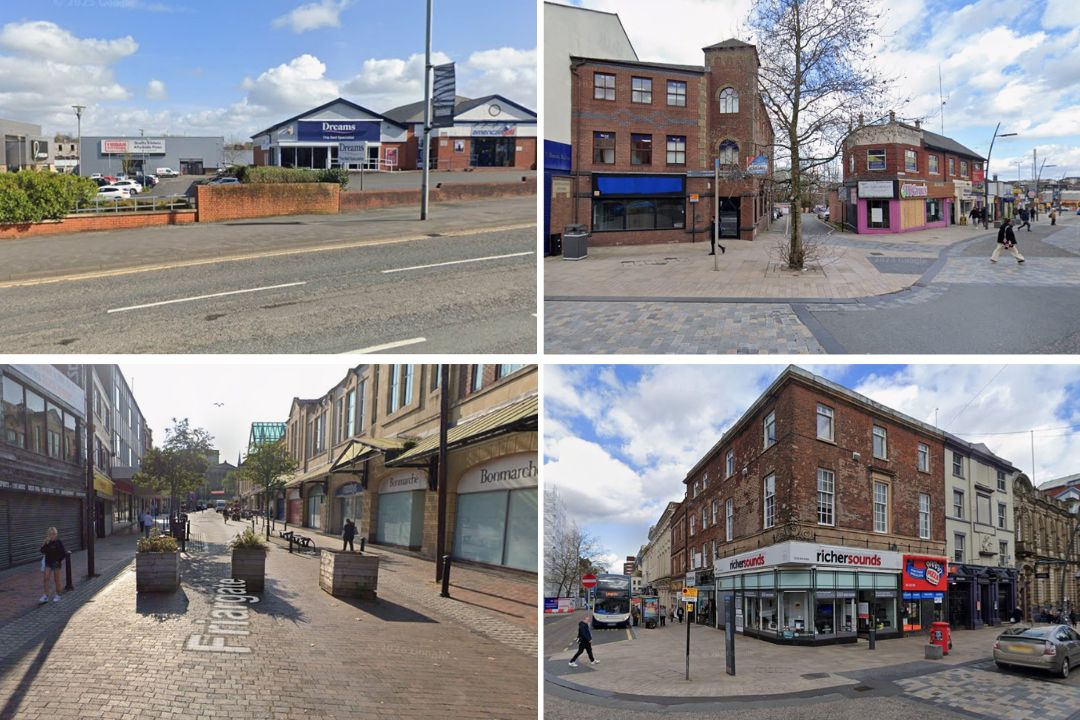
Plans have been submitted for a new communications kiosk in Preston City Centre. The application seeks to install “one new communications kiosk with an integrated defibrillator and advertising display” on land opposite 243 North Road, PR1 1RU. If approved, this kiosk will offer various services, including telephony, wayfinding, a defibrillator, and digital advertising. According to the applicant, New World Payphones, these kiosks will support both public utility and local economic activity.
The North Road kiosk is just one of several planned across the city. Other proposed sites include land on Friargate at PR1 2EJ, outside 81 Fishergate at PR1 2UH, outside 10 Church Street at PR1 3BQ, and elsewhere on the A6 on Stanley Street at PR1 4AT.
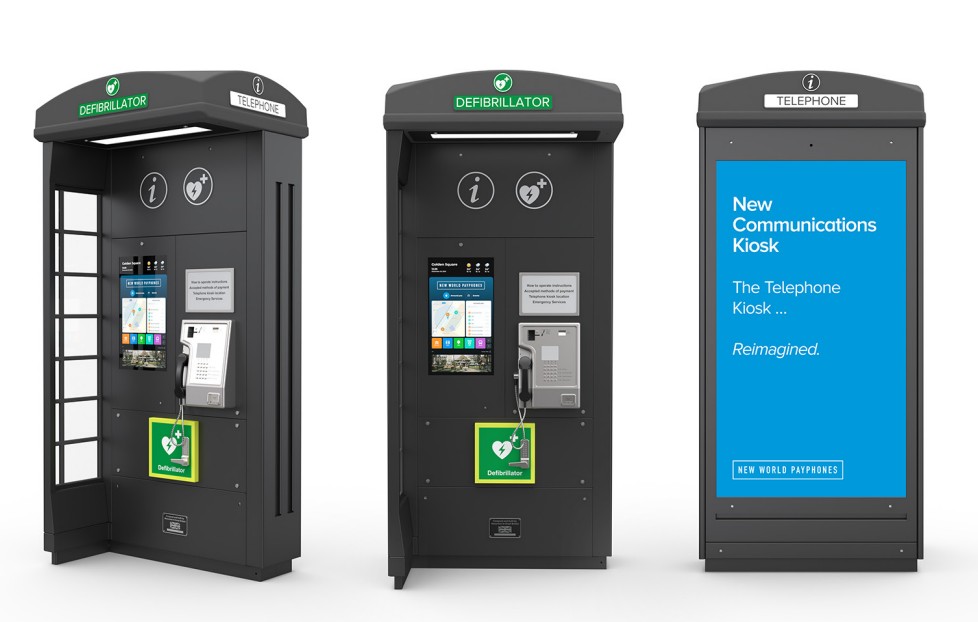
The design of the kiosks is based on the classic telephone box but with an open access layout. This design is intended to improve inclusivity and accessibility, allowing all users to access the services easily. It is also expected to enhance safety by reducing anti-social behaviour often associated with traditional kiosks.
The curved canopy roof will feature signage for the defibrillator and telephone, with an interior courtesy light underneath. Enclosed by a single side window panel, the kiosk’s facilities include a telephone that accepts cards, a defibrillator, an instructions panel, and a touch screen interactive wayfinding public information screen.
The interactive display will feature:
- A local area map with points of interest.
- Points of interest information cards, including address, opening hours, and contact information.
- Emergency numbers.
- A help button for support services, including for abuse and addiction.
- An accessibility button and phone instructions.
In the planning statement, New World Payphones emphasize the importance of public call boxes as lifelines for those who need them most. They highlight that these kiosks provide essential access to friends, family, helplines, and emergency services, especially in areas where mobile coverage is unreliable or individuals cannot afford a mobile phone.
By upgrading to modern communication kiosks, they aim to create inclusive, multi-functional hubs that serve everyone, particularly the most vulnerable. These kiosks will provide:
- Reliable emergency access for those without mobile connectivity.
- Wayfinding and local information to support residents and visitors.
- Free calls to emergency services and charities, ensuring help is always within reach.
Beyond connectivity, these kiosks contribute to safer, more vibrant streets. Their open design promotes natural surveillance, reducing anti-social behaviour, while integrated technology supports local businesses and community messaging. Each installation also includes a commitment to environmental improvement: for every kiosk installed, a tree will be planted in partnership with Trees for Cities, helping to create greener, healthier urban spaces.
This initiative is about more than infrastructure; it’s about strengthening communities, improving safety, and ensuring that no one is left behind in the digital age.
Advertising Conditions for the Kiosks
The applicant has outlined several conditions regarding the advertisement proposal, including:
- The display of advertisements shall be permitted for a period of five years from the date of this decision.
- No advertisement is to be displayed without the permission of the site owner or any other person with an interest in the site entitled to grant permission.
- No advertisement shall be sited or displayed so as to endanger persons using any highway, railway, waterway, dock, harbour, or aerodrome (civil or military).
- No advertisement shall obscure or hinder the ready interpretation of traffic signs, railway signals, or aids to navigation by water or air.
- No advertisement shall hinder the operation of any device used for security or surveillance or for measuring the speed of any vehicle.
- Any advertisement displayed, and any site used for the display of advertisements, shall be maintained in a condition that does not impair the visual amenity of the site.
- Any structure or hoarding erected or used principally for the purpose of displaying advertisements shall be maintained in a condition that does not endanger the public.
- Where an advertisement is required under these regulations to be removed, the site shall be left in a condition that does not endanger the public or impair visual amenity.
- There shall be no moving images, animation, video, or full motion images displayed unless otherwise permitted by this consent.
- In the hours of darkness, the advertisement display luminance shall be no greater than 300cd/m² in accordance with the recommended maximum night-time luminance value set out by the Institution of Lighting Professionals – Professional Lighting Guide (PLG05) 'Brightness of Illuminated Advertisements including Digital Displays'.
- In daylight hours, the advertisement display luminance shall be controlled to reflect ambient light conditions (to ensure it is neither too bright nor too dull), and shall at all times be no greater than the recommended maximum daytime luminance values set out within the aforementioned guide.
- Unless otherwise permitted, the minimum display time for each advertisement shall be 10 seconds, and the advertisement shall not include any features which would result in interactive messages/advertisements being displayed.
- The interval between successive advertisements shall be no greater than 1 second, and the complete display shall change without effect.
- The display shall include a mechanism to default to a blank or black screen in the event of malfunction, or if the advertisement is not in use.
For more details, you can read the full application for the North Road kiosk here. A second application, solely involving the digital advertisement display, is also available here.
It does not appear that planning applications for the other four kiosks mentioned have yet been submitted. For the latest public notices from your area, please visit: https://publicnoticeportal.uk/
