Victorian dock wall discovered at Battle of Atlantic museum site
Uncovering a Piece of History
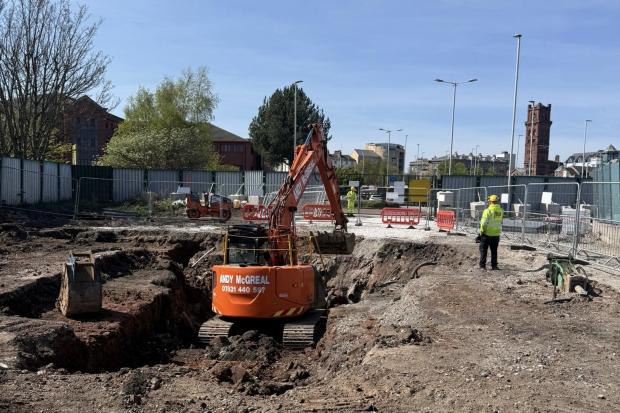
A significant discovery has been made at the site of the upcoming Battle of the Atlantic Museum in Wirral. A stretch of early Victorian dock wall, believed to have been destroyed, has been found during preliminary construction work in Woodside. This section, dating back to the 1840s, was part of Birkenhead’s historic docklands and has now been recorded by Big Heritage and submitted to the regional Historic Environment Record.
The museum, which is set to be the world's first dedicated solely to the Battle of the Atlantic—the longest continuous campaign of the Second World War—has already begun its construction phase. Contracts were signed last week, marking the start of this ambitious project. The unveiling of the dock wall has come as a surprise, with Dean Paton, chief executive of the heritage organisation, expressing his astonishment at the early findings.
"We always knew Woodside would have stories to tell, but we didn't expect them to start before we'd even broken ground," said Mr Paton. "Finding a stretch of 1840s dock that everyone had written off is a properly significant moment for the project and a reminder that Birkenhead's Victorian history isn't finished giving things up."
Reusing Heritage Materials
The salvaged sandstone from the dock wall will be reused on-site as part of the wider landscape scheme around the museum. This includes bespoke outdoor furniture for visitors, ensuring that the heritage fabric remains visible and in use. The repurposing of these materials not only preserves the historical significance of the site but also integrates it into the new museum design.
This discovery is one of two unexpected developments connected with the museum project in recent weeks. The second involved a detailed unexploded ordnance (UXO) risk assessment, prompted by German bombing raids on the Mersey between 1940 and 1942. The assessment, carried out by specialist consultancy Igne under CIRIA guidelines, found the risk to be low, and no ordnance was found.
Mr Paton added: "As for the bomb survey, well, you couldn't write it. We're building a museum about the Battle of the Atlantic on a site that still requires a check for unexploded German ordnance from the same war. The fact that the risk came back as low is a relief; the fact that the question had to be asked at all says everything you need to know about why this museum belongs here."
Designing a Museum Rooted in History
MGMA Architects are the design lead on the Battle of the Atlantic Museum. Matt Giles, architect at MGMA Architects, explained the approach to the project. "Woodside's history is so densely layered that you stop being surprised by what comes out of the ground. The job of the new museum isn't to sit on top of that story but to belong to it."
"The dock wall, and especially the salvaged sandstone, give us a way to do exactly that: to root the public realm in fabric that was here before us, and will outlast us." This philosophy reflects the museum's commitment to integrating the past with the present, creating a space that respects and celebrates the rich history of the area.
Future of the Museum
Construction of the new Battle of the Atlantic Museum is scheduled for completion by the end of the year. As the project moves forward, the discoveries made on-site continue to shape the narrative and design of the museum. The presence of the 1840s dock wall and the lessons learned from the UXO assessment underscore the deep historical roots of the location and the importance of preserving these elements for future generations.
The museum promises to offer an immersive experience, connecting visitors with the events of the Battle of the Atlantic while highlighting the enduring legacy of the site. Through careful preservation and thoughtful design, the museum will stand as a testament to the area's rich history and its ongoing story.
