UK Defence Chiefs Are Elitist Snobs Mocking the Public – Putin Gains Advantage
The State of National Defence in the UK
In recent months, discussions within defence circles have been dominated by the upcoming Defence Investment Plan – a document that has taken on almost mythical significance. This plan is expected to outline the Government’s funding priorities for the Ministry of Defence (MoD), and as such, it is closely watched by all those involved in the defence sector. However, the repeated delays in its release since last autumn suggest a lack of urgency and commitment from the Government towards national defence.
Lord Robertson, a former Labour defence secretary, recently made a strong intervention against the Government's "corrosive complacency," which was a welcome move. Yet, there is still no clear indication that this will lead to any significant changes within No 10 or the Treasury.
One of the greater failures of the Government, especially considering how little it would cost, is the complete absence of the "national conversation on defence" promised in the Strategic Defence Review last year. Wars are fought by societies, and history has shown us this repeatedly – from the struggle against Napoleon to the two World Wars. Even the current war in Ukraine highlights the importance of societal participation in sustaining a national war effort.
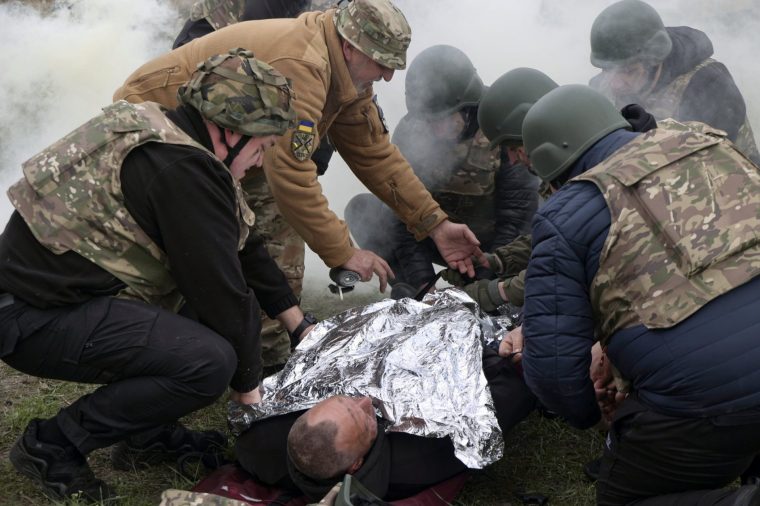
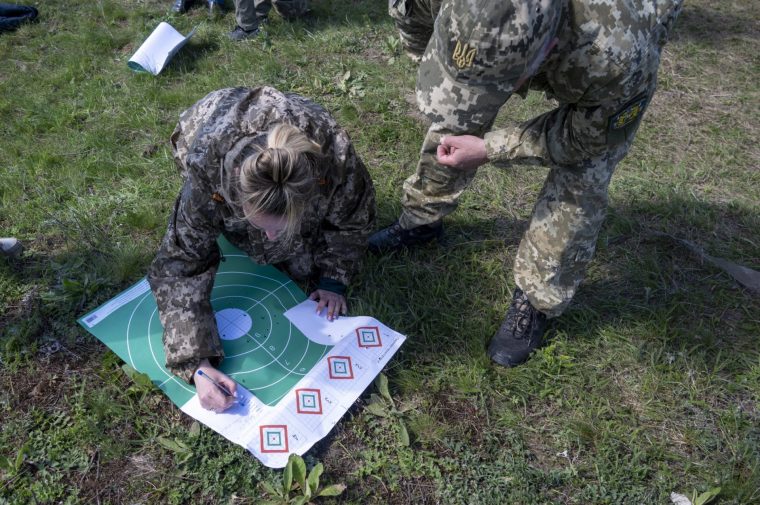
After the chaotic experiences of the First World War, the UK made a conscious effort to establish volunteer civil defence organisations, which played a vital role during the Blitz. Similarly, in Ukraine, many resilience efforts were initiated by ordinary citizens and innovative companies who identified urgent needs and sought to address them, either after 2014 or following the full-scale invasion by Vladimir Putin.
Despite these examples, defence remains largely an elite domain in the UK. Conversations about defence and security are often limited to a small group of industry insiders, think-tank experts, senior MoD officials, and select journalists, usually held in restricted settings. The language used can be deliberately obscure, with terms like “effectors” being used instead of more straightforward words. Outsiders are often distrusted, and the general public is frequently dismissed as not understanding the complexities of the issue.
Educating and raising awareness among the public seems to always fall on someone else’s shoulders. As a result, the “national conversation” on defence has never truly materialised, except for a few writers and isolated efforts such as the commendable Wargame podcast from Sky News.
Contrary to popular belief, this should not just be a discussion about spending and trade-offs, although these are important aspects. Equally critical is fostering a sense of broader societal resilience, preparedness, and mobilisation. It should not merely be about increasing media coverage of defence; people should feel actively involved in the national defence effort rather than passive observers.
The absence of such a conversation and a sense of urgency among the general public represents a major failure of the entire defence sector, from the Government to defence companies and think-tanks. Where are the open debates on resilience and security? Where are the pamphlets explaining what to do in a crisis scenario, both for individuals and small businesses? Why are there no initiatives to encourage voluntary civil defence organisations to support communities in emergencies? Where are the television programmes and documentaries that stimulate discussions about the dangers we face?
Defence industrial sites and military bases should offer tours to help communities understand the economic importance of defence. Citizens’ assemblies should be organised in collaboration with major think-tanks to foster greater public engagement.
A cynic might argue that the Government avoids a national conversation on defence to sidestep difficult questions about spending. They may be right. However, in the absence of Government leadership, the wider defence and security community must step up, particularly those who stand to benefit financially from British taxpayers.
Of course, this would disrupt the comfortable routines of engaging only with the same people at the same conferences each year. It would require actually interacting with the public, ideally using plain English rather than confusing defence jargon. While this may be unpalatable for many, it is essential for anyone who claims to care about national defence.
The world is becoming more unpredictable, both geopolitically and climatically, and the old certainties no longer hold. Britain must prepare itself, not just as a state, but as a nation. Unfortunately, we are far from ready, both materially and culturally.
Matthew Palmer served in the British Army and is now a writer, consultant, and Adjunct Fellow at the Council on Geostrategy. He writes in a personal capacity on the website Cracking Defence.
