The Evolution of Insulation: Understanding the Options
A question I often encounter when working on building projects is, “what’s the best insulation to use?” This is a valid inquiry, as the range of available insulation options has expanded significantly. With many products marketed as being more efficient, sustainable, or advanced than their predecessors, it can be challenging to determine what is truly optimal for a given project.
The truth is that there isn’t a single “best” option. The way we approach insulation has evolved dramatically in recent years. It's no longer just about thermal performance based on data sheets. Instead, it's now about how materials behave in real-world conditions, how they are installed, and how durable and reliable they are over the life of a building.
Why Insulation Innovations Are Needed
Specifying an insulation product may seem straightforward at first glance. You meet U-value requirements under Part L of building regulations by choosing the right thickness and then demonstrate compliance through various assessments such as U-value calculations, condensation risk analysis, and SAP assessments.
However, this process works well on paper but not always in practice. Insulation performance can vary greatly depending on installation conditions. For example, warm air carries moisture, which can move through building fabric via gaps, junctions, and service penetrations. When this moisture meets a cold surface, it condenses, leading to potential issues.
As a result, the next generation of insulation products is focusing more on buildability and moisture management. These factors can negatively impact thermal performance and even damage building structures if not properly addressed.
Breathable Construction Methods and Bio-Based Insulation
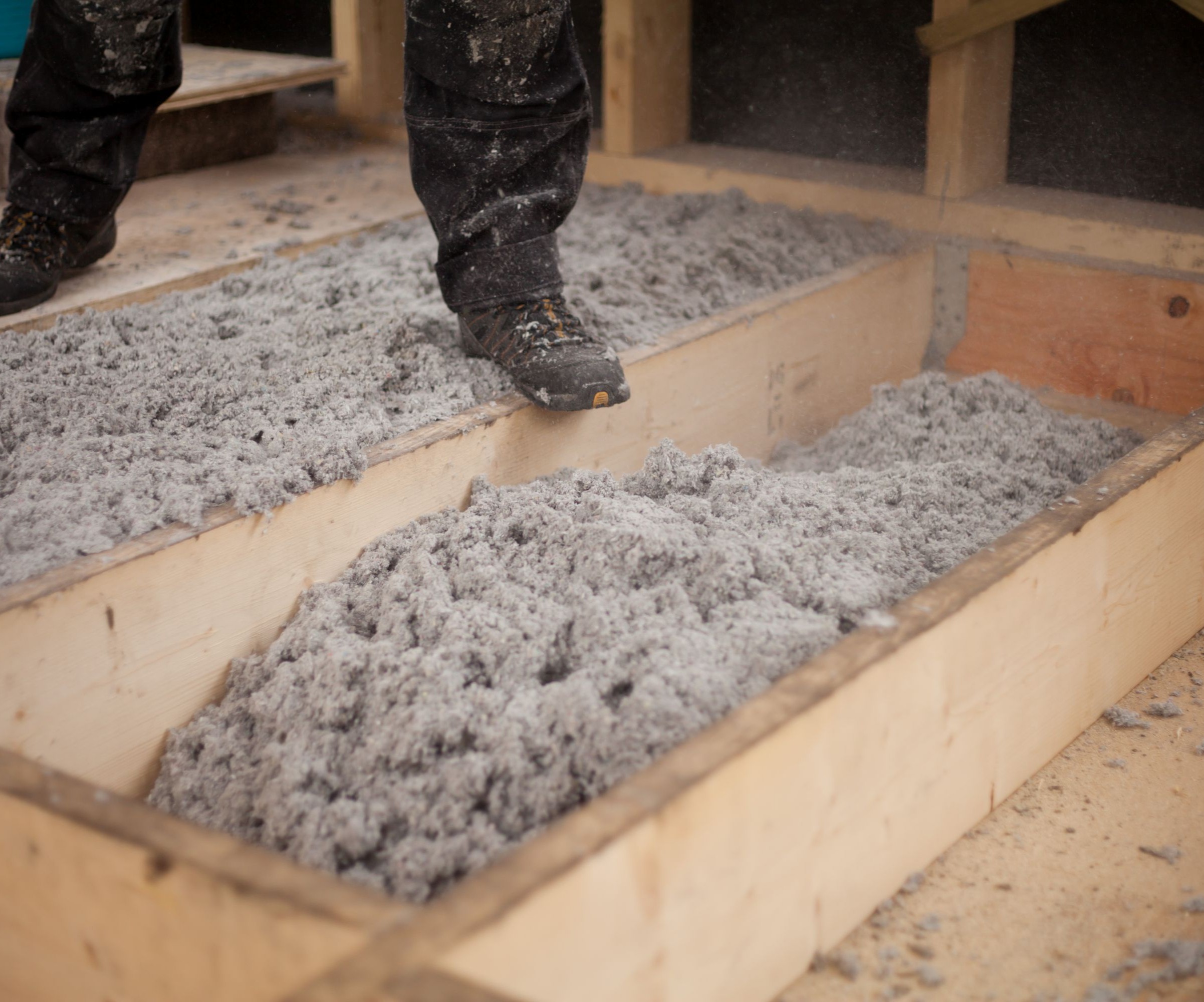
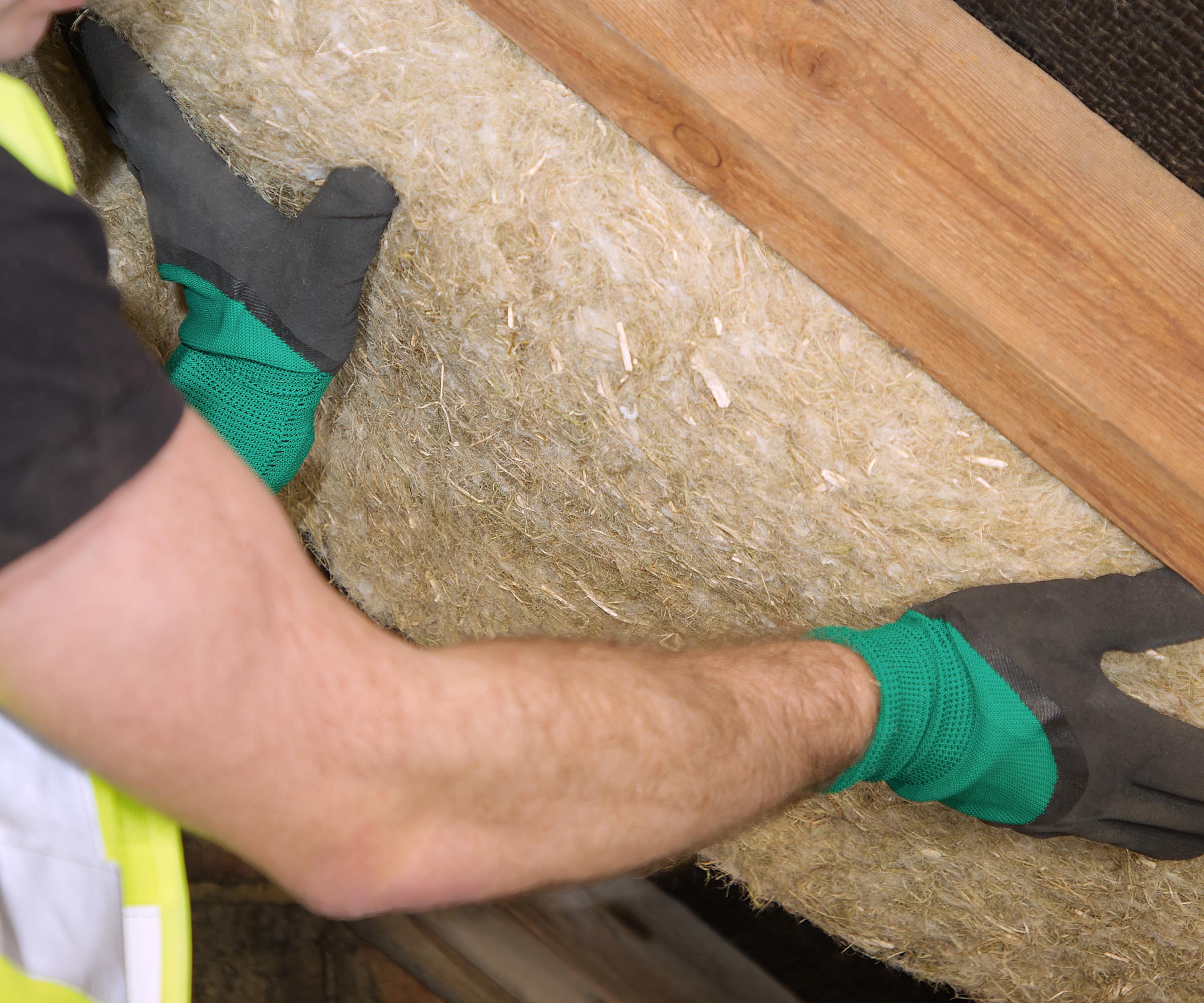
One of the most intriguing developments in the insulation space is the rise of bio-based insulation, particularly products made from hemp and recycled fibres like jute.
Insulation products such as IndiTherm and IndiBreathe Flex are increasingly being used in self-build projects, especially among those concerned with sustainability. While these products help reduce embodied carbon, their broader appeal lies in their ability to manage moisture effectively.
Natural insulation materials like hemp and wood fibre are hygroscopic, meaning they can absorb and release moisture without deteriorating or significantly affecting their performance. Rather than trapping moisture within walls or roofs, they allow it to breathe and dissipate. This doesn’t mean a vapour control or airtightness membrane isn’t needed, but it does give the building structure a better chance of drying out if something goes wrong.
Traditional, impermeable insulation boards such as EPS, PIR, or Phenolic boards can trap moisture if not managed correctly. Natural fibre insulation offers more tolerance, making it more forgiving.
There is also a growing belief that buildings insulated with natural materials create a better internal environment. These homes tend to feel less "sealed," with more stable humidity levels. This results in less condensation and a healthier living space, free from the effects of synthetic-based insulation products.
Alongside hemp and jute, products like Steico wood fibre boards and HempKor systems are gaining popularity. They operate on similar principles—breathable, vapour-open, and better at managing moisture within the building structure.
However, there are downsides to consider. Natural insulation products often require thicker layers to achieve the same U-values as high-performance synthetic boards. This can affect wall thickness, architectural detailing, and available space.
Shop for Eco Insulation Products
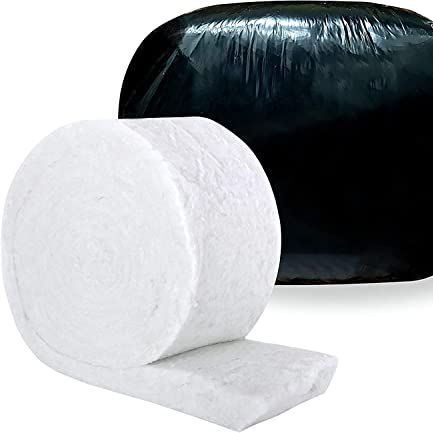
High Loft
High Loft Eco-Thermal Loft Insulation Roll
Made from recycled polyester, this loft insulation is allergy-friendly and itch-free.
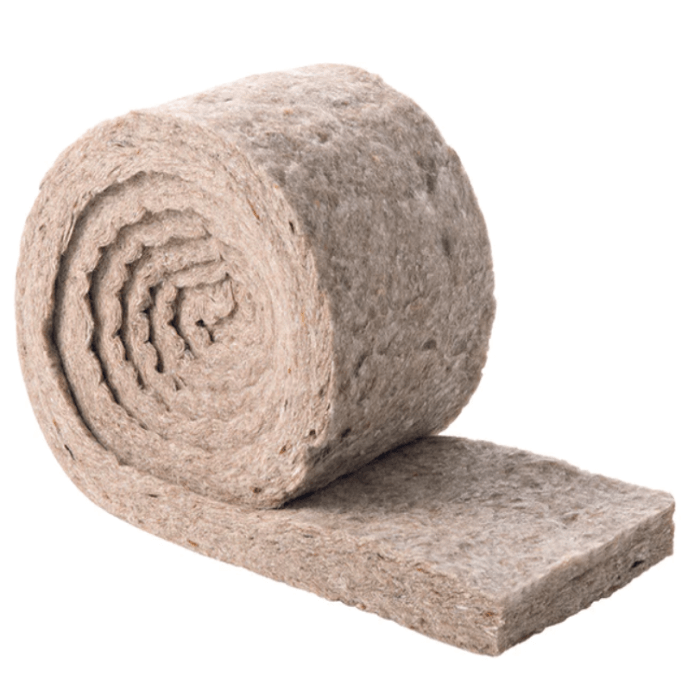
Thermafleece
Thermafleece Cosywool - Sheep Wool Insulation Roll
Made from 75% British wool and 25% recycled fibres, this natural and sustainable insulation material can be used for walls, roofs, lofts, and floors.
Improving Traditional Materials with Bio-Based Binders
Not every project is suitable for fully bio-based insulation, and many still rely on conventional materials like glass wool. However, manufacturers are evolving these materials by replacing traditional petrochemical binders with lignin-based alternatives derived from forestry by-products.
From a site perspective, nothing changes in terms of installation or performance. However, the use of environmentally friendly binders is a positive step towards reducing our carbon footprint and reliance on fossil fuels.
Advances in High-Performance Insulation
There are still situations where maximum performance in minimal space is required. In such cases, high-end insulation products become essential.
Products like Kingspan’s low lambda Kooltherm are widely used because they achieve very low U-values with relatively thin builds. In tight urban sites or when maximizing internal floor area is a priority, these products can be crucial.
In recent years, vacuum insulation panels (VIPs) like Optim-R have pushed slimness even further. While they are expensive, they are innovative and solve problems that other insulation products cannot, such as insulating balconies with tight threshold details.
Despite their innovation, VIPs come with drawbacks. They are costly, require careful handling, and cannot be cut or modified on-site. Damage to them significantly reduces their performance, so they must be handled with care. They are also less forgiving in terms of moisture behavior, making proper detailing and moisture management essential.
B&Q currently stocks a range of Kingspan Kooltherm insulation boards.
Robotic Underfloor Insulation
Suspended timber floors are a classic challenge when it comes to insulation. They are common in older homes, and insulating them properly is notoriously difficult. Limited access, poor working conditions, and the risk of missing areas lead to cold floors, draughts, and a house that is hard to keep warm.
Systems like Q-Bot have been developed to address this issue. Instead of sending installers under the floor, a small robot applies spray insulation to the underside of the floor, which is typically hard to reach.
This approach reduces disruption, improves floor warmth, and enhances comfort. While it boosts energy efficiency, it also reduces air movement through the floor, requiring careful design to manage condensation risks.
What Building Control Looks For with New Insulation Methods
While building regulations set the rules for compliance, building control officers also focus on how a building will perform in reality. To ensure energy efficiency and safety, they examine the insulation products used and whether they were installed according to the design.
Key areas of focus include the continuity of insulation, risk of thermal bridging, and how moisture is managed. They will also request U-value calculations and condensation risk analysis to confirm that the products were properly considered and meet required standards.
Although the same rules apply to new insulation products, building control officers may need more convincing when it comes to newer, innovative approaches before approving them.
Finding the Right Balance Between Old and New
For most self-builders, the challenge isn't choosing the most advanced insulation system. It's about creating a combination that works for the building, the construction team, and fits within the budget. This involves understanding how to achieve a specific level of performance while balancing installation practicalities, airtightness, and moisture management.
In my experience, the best results come from a balanced approach. Using breathable materials where moisture risk is higher, high-performance boards where space is limited, and ensuring proper installation at all times.
Insulation isn’t just about keeping heat in—it’s also about ensuring the building functions effectively, not just at completion, but for years to come.
Komentar (0)