CalMac Faces Ongoing Challenges as Ferries Undergo Repairs
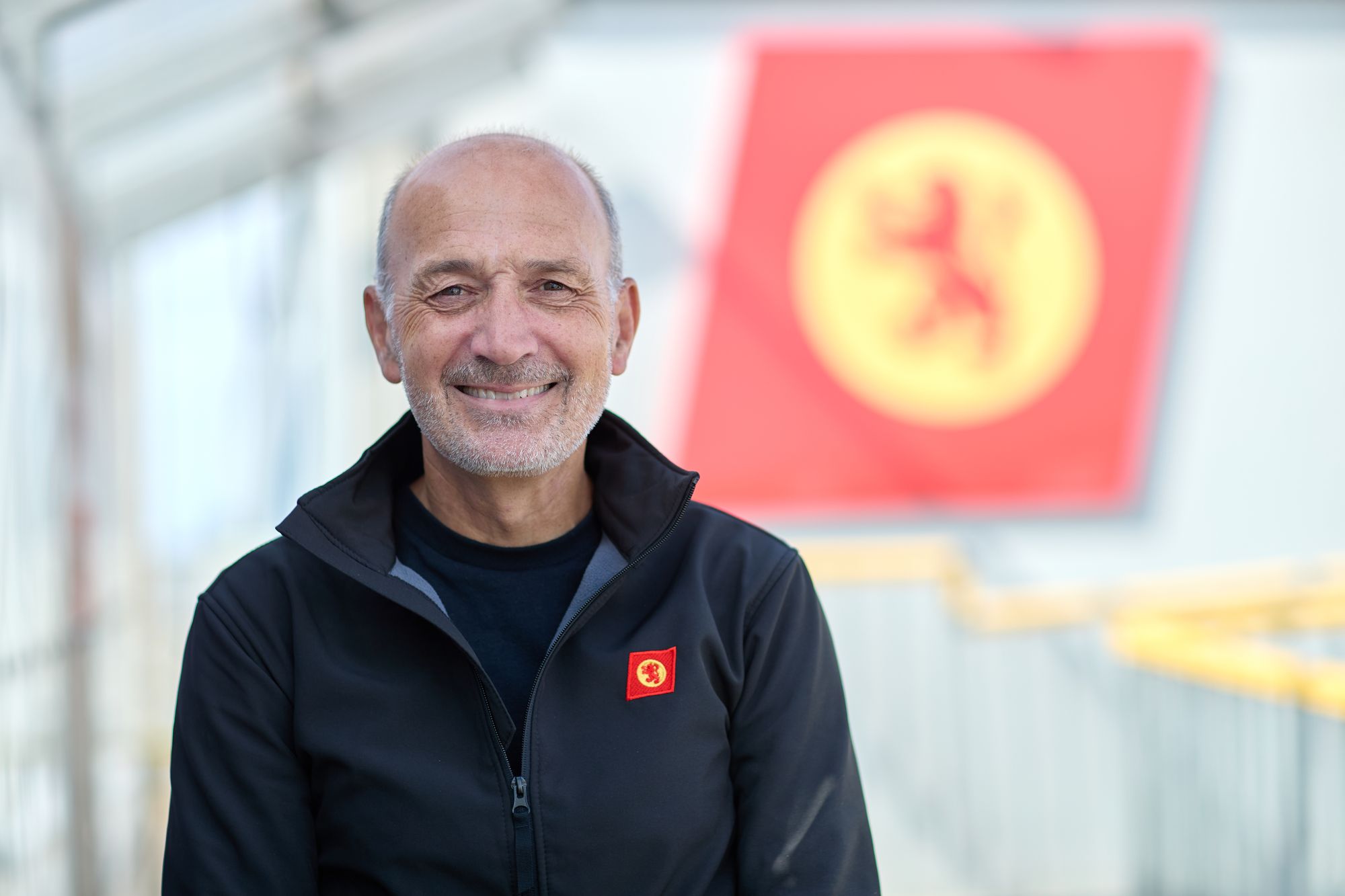
CalMac, the largest ferry operator in the UK, is currently navigating a period of significant disruption. Its chief executive, Duncan Mackison, has warned that the company will remain "on the edge" of further major issues until new ferries from Turkey arrive next year. The operator is currently in "crisis management mode," with nearly one-third of its fleet out of action, making it one of the most challenging times for staff and passengers alike.
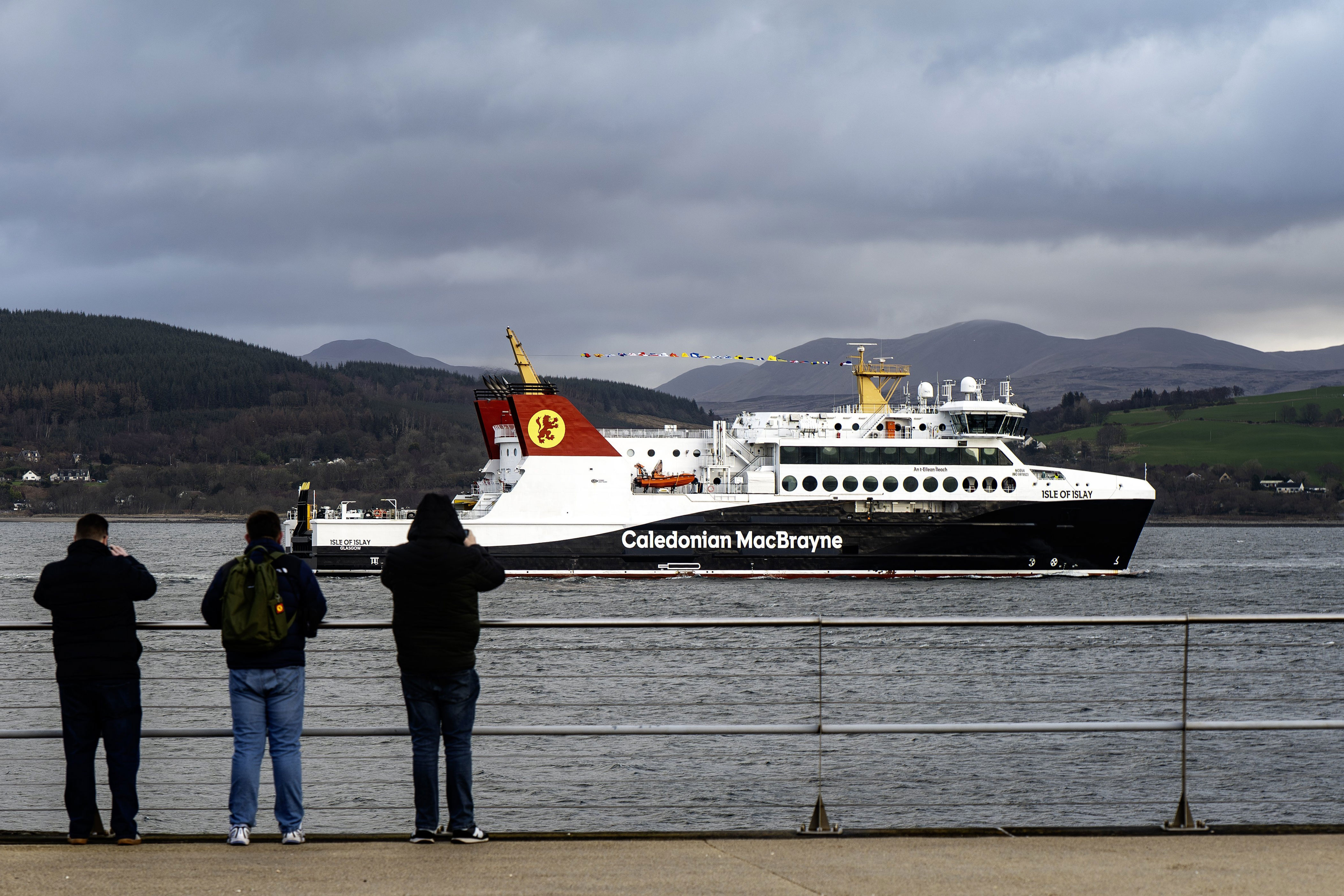
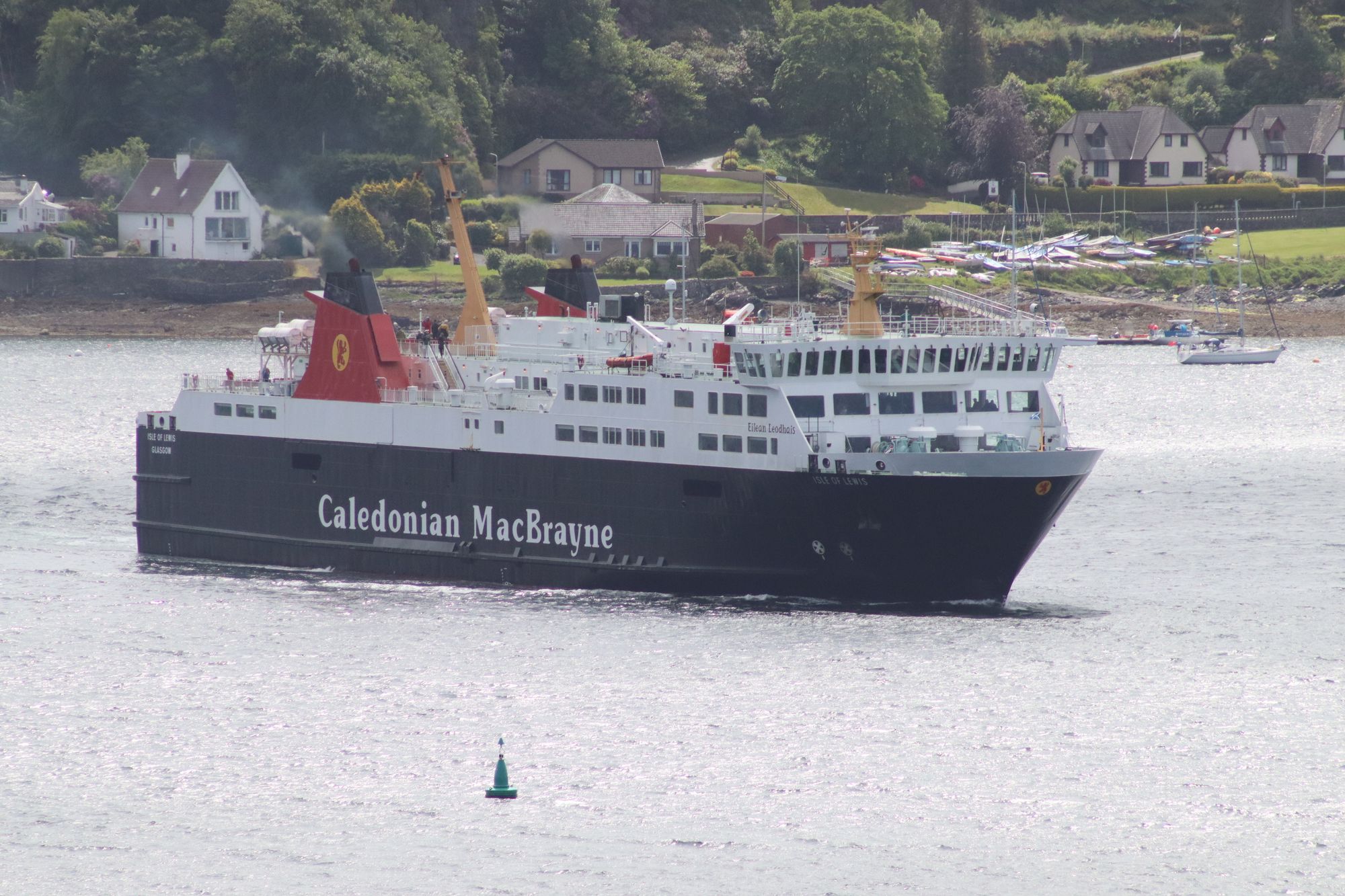
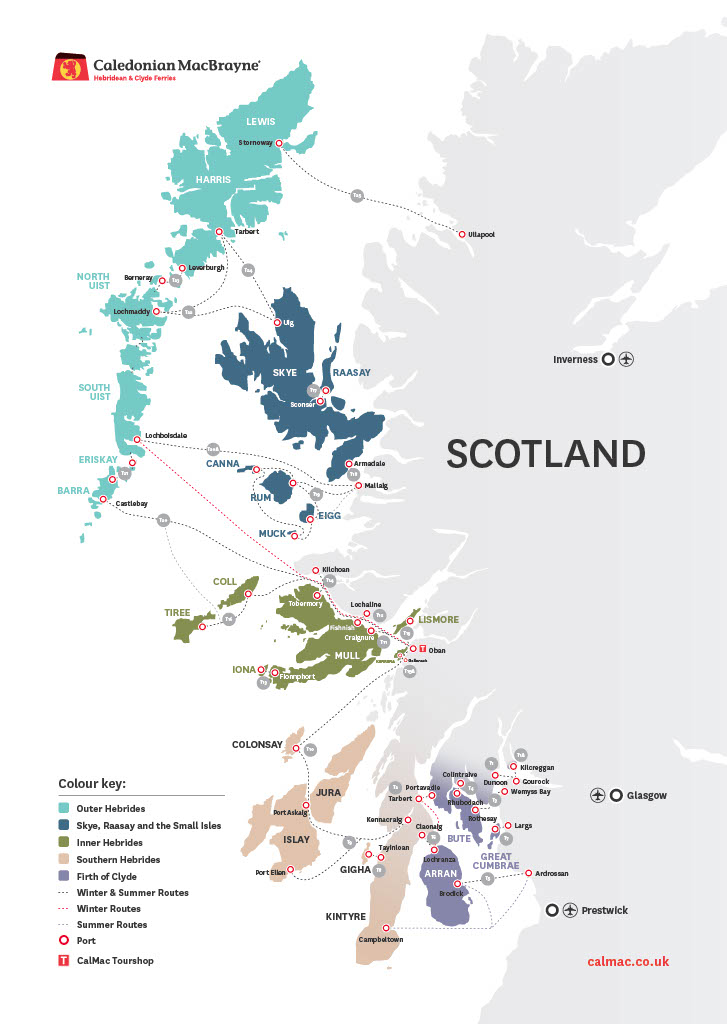
Two major ferries, the Isle of Arran and the Isle of Lewis, are still not in service, while the Finlaggan is undergoing scheduled maintenance. They are not expected to all return to operation until the end of May. Meanwhile, another large ferry, the Hebrides, is still being repaired in Aberdeen after a two-week delay following its annual maintenance. This lack of spare vessels has forced CalMac to move ships around its network and suspend bookings on some routes, causing frustration among passengers.
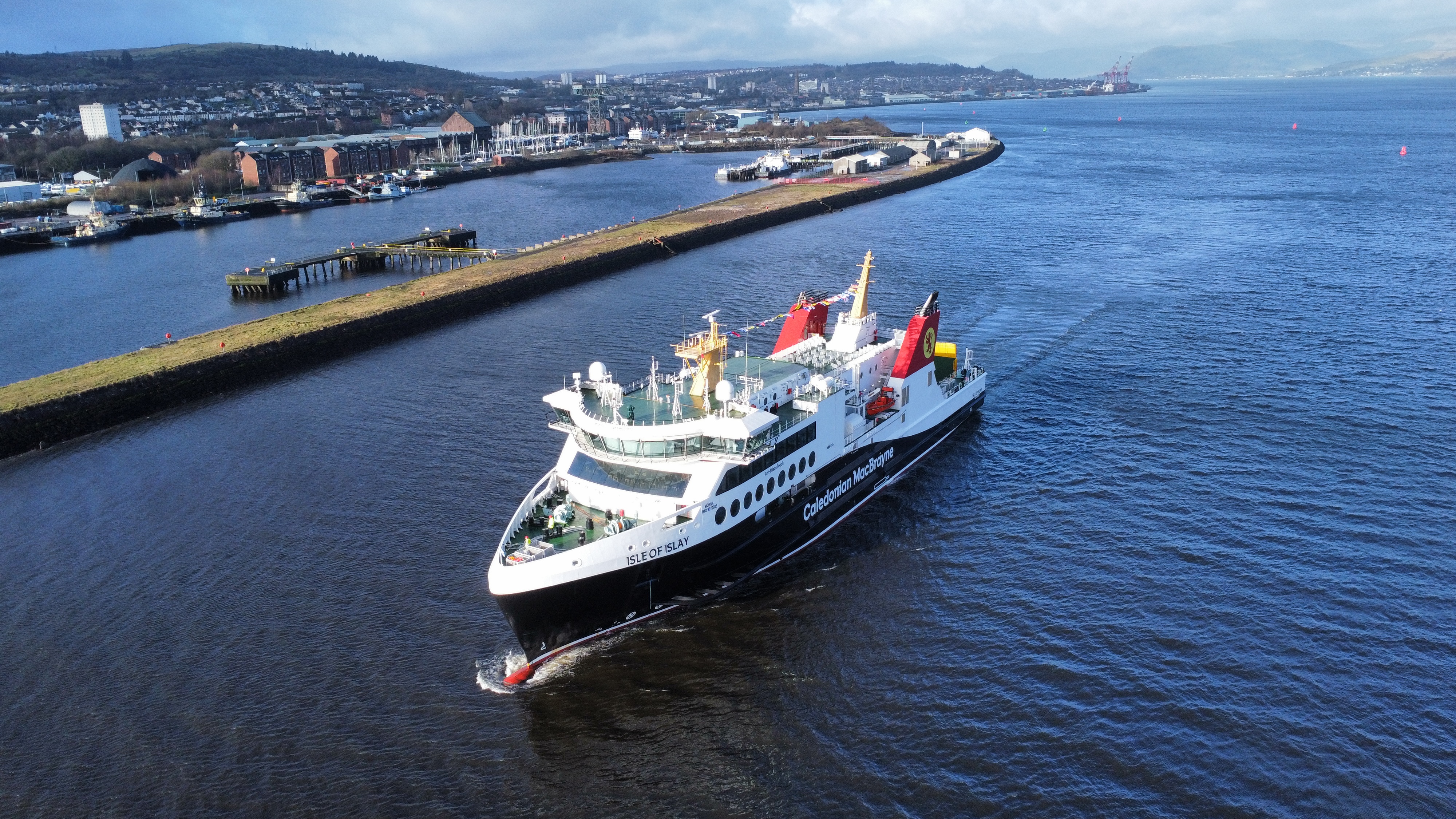
Despite these challenges, Mr Mackison expressed optimism about the performance of the company’s newest ferry, the Turkish-built Isle of Islay. He hopes that the completion of its three sister vessels by February next year will significantly improve the company’s situation. The addition of the Loch Indaal, Lochmor, and Claymore will halve the average age of CalMac’s fleet, reducing it from 24.5 to 12.5 years. This modernization is expected to lead to fewer operational issues.
Mr Mackison acknowledged that the recent disruptions were "unprecedented" and had not come as a complete surprise. At the peak of the crisis, ten ferries were either broken down or undergoing scheduled overhauls. He explained that the combination of simultaneous outages created a particularly difficult situation. "I said a few months ago that things could get worse before they got better," he said. "What we experienced was things getting worse."
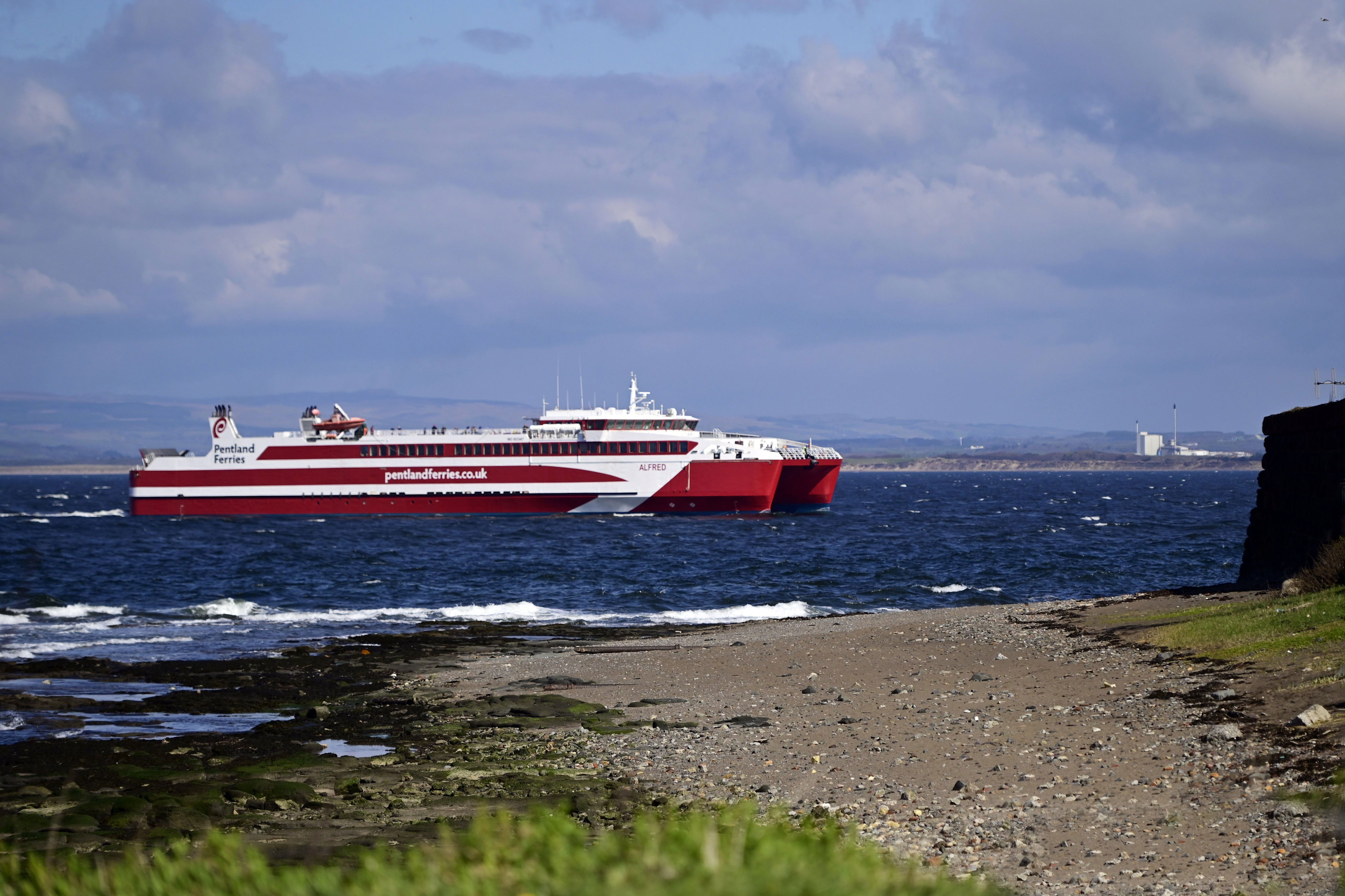
Even when the Isle of Arran and the Isle of Lewis return to service, CalMac will still face risks due to the aging fleet. Mr Mackison emphasized the need for resilience, stating that having newer vessels would allow the company to better handle future disruptions. He also revealed plans to extend the charter of the catamaran Alfred to October, which has been operating on the main Arran routes since 2023.
However, the challenges continue. To get the Isle of Arran back into service, a special part had to be manufactured. Repairing another older ferry, the Lord of the Isles, involved salvaging an engine part from the scrapped Hebridean Isles. These measures highlight the difficulties CalMac faces in maintaining its operations.
Mr Mackison described the past six to seven weeks as one of the toughest periods for the company. He praised the dedication of frontline staff, who have had to manage cancellations, reallocate passengers, and deal with the frustrations caused by the disruptions. "We’ve had to work really hard to look after people," he said, adding that he is proud of what his team has achieved under such pressure.
Looking ahead, Mr Mackison emphasized the importance of maintaining services to as many islands as possible, even though some islanders have found the situation difficult. He reassured passengers that efforts are underway to minimize disruptions this summer. "We are working hard to stabilize vessels on routes wherever possible," he said.
The arrival of the Turkish ferries is expected to bring much-needed improvements. The Isle of Islay, which entered service in April, has already demonstrated its capabilities. Mr Mackison highlighted the vessel's advanced propulsion system, which allows for greater maneuverability and control. "It gives us a lot of power and manoeuvrability," he said, noting that the ship can turn 360 degrees on a sixpence and operate effectively in higher winds.
While the current fleet is being stretched thin, Mr Mackison stressed the need for a steady pipeline of new ferries. "What we really need is a steady drum beat of new vessels coming in— one every year to 18 months," he said. "It’s important to keep pushing that because the older ones are not getting any younger."
Komentar (0)