The Fascinating World of Miniaturization in Tech
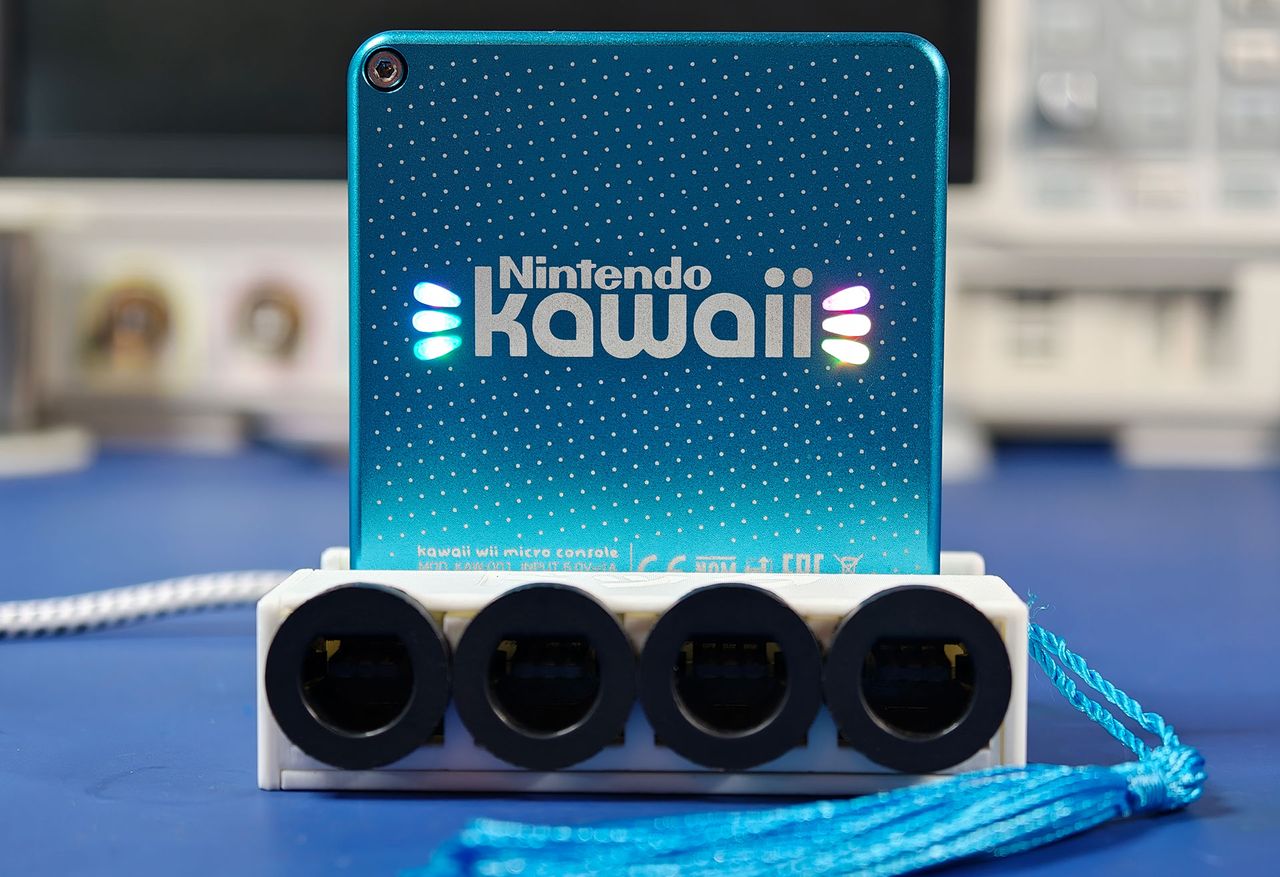
The world of technology is constantly pushing the boundaries of what is possible, and one of the most intriguing developments in recent times is the Nintendo Kawaii project. This unique initiative has managed to shrink a bulky GameCube console down to the size of a keychain, measuring just 2.36 × 2.36 × 0.62 inches (60 × 60 × 15.8mm). The result is a compact and stylish device that showcases the potential of miniaturization.
The project features a cool blue anodized CNC aluminum casing, which not only gives it a sleek appearance but also adds a touch of durability. This attention to detail sets it apart from other similar projects, making it a standout piece for retro gaming enthusiasts.
A Hands-On Experience with the Nintendo Kawaii
In a recent video demo, Tito from the retro gaming channel Macho Nacho Productions had the opportunity to test out the original Nintendo Kawaii, created by YveltalGriffin, Wesk, and Ding. What makes this project particularly interesting is its use of original Nintendo processors and ICs rather than more common components like the Raspberry Pi Zero.
This choice highlights the project's commitment to authenticity. The Nintendo Wii was known for its backward compatibility with the GameCube, and this feature was leveraged in the Kawaii project. Specifically, the Omega Trim Wii motherboard was used, which is popular among modders for its compact size.
While the GitHub source doesn’t directly compare the original and Omega motherboards, the video shows the original GameCube next to the Kawaii, giving viewers a clear idea of the scale difference.
Technical Innovations Behind the Kawaii
To make the Kawaii project successful, several technical tweaks were implemented. One such innovation is the NAND Flex mods, which allow certain motherboard features and ICs to be stacked efficiently. Additionally, the Thundervolt mod was used to undervolt the CPU, ensuring it doesn’t overheat in the confined case.
Despite these modifications, the Wii processors are still capable of running GameCube titles effectively, even under power constraints. This is a significant achievement, as it maintains the performance expected from original hardware.
Another notable feature of the Kawaii is its CNC aluminum shell, which elevates the overall look of the device. On one side, the organically ribbed metal fins might help with passive cooling, adding another layer of functionality to the design.
Challenges and Considerations
While the Kawaii is a remarkable achievement, it is not a self-contained console. It requires a docking method with discrete pogo pins, which is elegant but adds to the complexity of the setup. The dock itself appears larger than the keychain, and users will need a hefty GameCube controller, a USB power brick, two sets of dongles, and a TV to plug it into.
The GitHub page provides comprehensive files, including MCAD, ECAD, and BOM, but the team hasn’t yet compiled detailed instructions. Those interested in replicating this masterpiece are directed to a thread on BitBuilt, which follows the assembly of two Kawaiis.
Although the project was previously reported on in July 2024, the hands-on demo has provided new insights into its capabilities and design. For those who appreciate the blend of nostalgia and innovation, the Nintendo Kawaii is a fascinating example of what can be achieved through creativity and technical expertise.
Komentar (0)