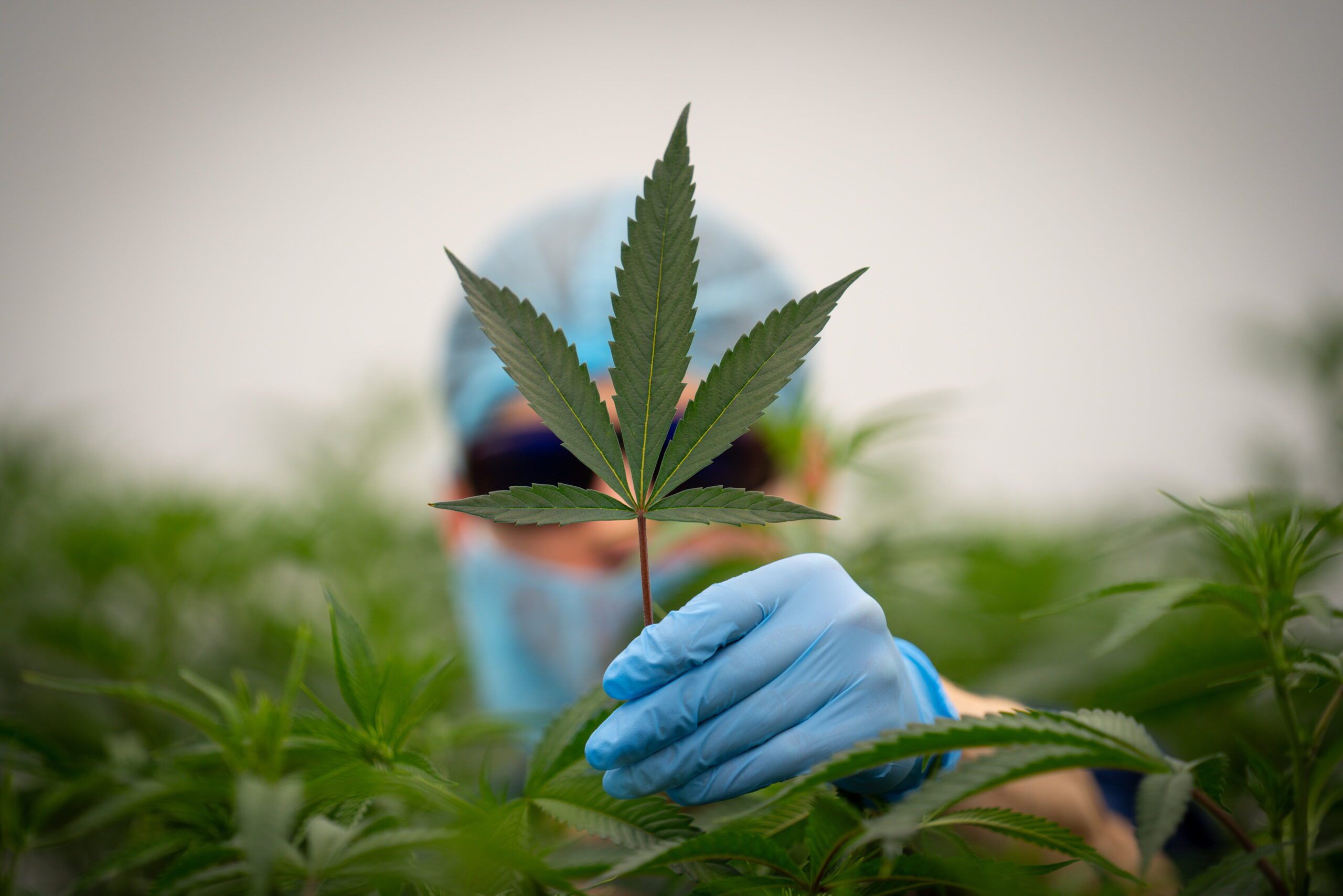
A groundbreaking development in sustainable materials has emerged from the world of cannabis. Scientists have created a non-toxic alternative to traditional plastic packaging using hemp, a non-psychoactive variety of the plant. This innovation aims to address the growing global pollution crisis caused by single-use plastics.
The research team, composed of American scientists and engineers, has developed a stretchy, hemp-derived thermoplastic that can expand up to 1,600% of its original size. This material possesses a high "glass transition temperature," which means it remains dry and durable even when exposed to boiling hot water. These properties were detailed in a study published in the journal Chem Circularity.
One of the key goals of this research is to replace bisphenol-A (BPA), a synthetic industrial chemical commonly found in processed plastics, with cannabidiol (CBD), the main chemical compound in hemp flowers. BPA is known to be an endocrine disruptor, and researchers hope CBD can serve as a safer alternative.
Professor Gregory Sotzing, a co-author of the study from the University of Connecticut, highlighted the significance of this discovery. He stated, “Very few, if any, plastics made from natural resources have this quality.” He explained that current polycarbonate plastics are derived from BPA, which poses health risks. The new hemp-based material could offer a viable solution.
The hemp-derived plastic is suitable for producing transparent films, coatings, and other materials typically made from petroleum-based products like polyethylene terephthalate (PET). These applications require stability at medium to high temperatures and the ability to melt, deform, and shape the material—qualities that the team has successfully achieved in a hemp-based polycarbonate.
Dr. Mukerrem Cakmak, another co-author from Purdue University, emphasized the potential of CBD-based polycarbonates as sustainable replacements for widely used thermoplastics such as PET. He noted that the research has established a rigorous processing science framework that links molecular architecture to melt processability, orientation development, and stretchability without compromising manufacturability.
PET is known for its reliance on fossil fuels, including crude oil and natural gas. Once discarded, it breaks down into microplastics that leach harmful chemicals into the environment. While scientists have sought greener alternatives, most plant-based polymers lack the necessary glass transition temperature and stretchability, making them more expensive to produce.
The catalysts used in bio-based plastics often require high temperatures and pose challenges in removal and purification, limiting their scalability. To address these issues, Prof. Sotzing and his team developed a hemp-based plastic film and tested processing parameters to achieve the desired structure and properties for widespread use.
He noted, “This polycarbonate has, as a smooth film, a very high contact angle with water. We were not expecting our polyCBD-carbonate to have a higher contact angle than most polyolefins.” Materials with this property can also be used in drug delivery systems and catheter coatings.
The research team is currently studying the products formed when CBD reacts with commercial triphosgene, a crystalline solid used in the production of the material. They are also working to enhance the mechanical strength of the hemp-derived plastic and pilot a scaled-up manufacturing process.
According to the study, there is currently not enough CBD produced worldwide to fully replace PET for plastics. However, with hemp becoming increasingly popular in clothing, construction, and food products, its cultivation is on the rise.
Prof. Sotzing pointed out that hemp can be grown across various climates with minimal water and pesticide use. It can also be rotated with crops like corn and soybeans, making it a versatile option for farmers. He added, “Costs of CBD would drop upon the planting of more hemp.”
Komentar (0)