3 Pros and 2 Cons of Swapping Your TV for a Projector
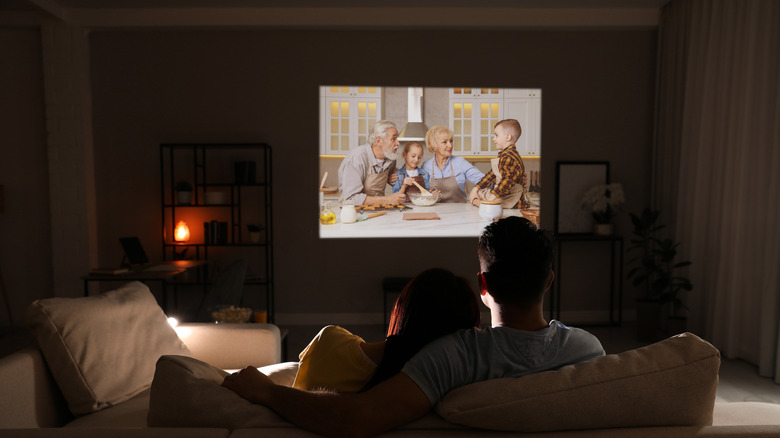
When it comes to choosing between a television and a projector for your home entertainment system, there are several factors to consider. TVs and projectors both offer unique advantages, but the decision ultimately depends on your specific needs, viewing environment, and budget. If you're looking for a large screen experience, cost-effectiveness, or space-saving solutions, a projector might be the right choice. However, there are also some drawbacks that should not be overlooked.
Pros of Choosing a Projector
Pro: Screen Size
One of the most significant benefits of using a projector is the ability to achieve a much larger screen size than what is typically available with traditional televisions. While 90-inch and larger TVs are becoming more common, they are still relatively rare and expensive. For those with ample space, projectors can easily display images that are 100 inches or even 200 inches in size. This makes them ideal for creating an immersive home theater experience.
Projectors also offer greater flexibility when it comes to screen size. With the right setup, you can project a massive image without the need for a bulky TV. Additionally, projectors are often easier to move and reposition compared to large flat-screen TVs, making them a practical choice for those who may want to change their viewing setup over time.

Pro: Cost
Another advantage of projectors is their potential cost-effectiveness, especially when considering the price of very large TVs. High-end 65- to 90-inch TVs can be extremely expensive, with some models costing thousands of dollars. In contrast, projectors can provide a comparable or even superior viewing experience at a lower cost. Entry-level projectors can be found for under $1,000, while high-quality models can range from $3,000 to $10,000 depending on the features and brand.
Additionally, when paired with a projector screen, the overall cost of the setup can be more affordable than purchasing a large television. There are a wide range of screens available, from budget-friendly models to high-end, motorized options that can enhance the viewing experience.
Pro: Available Space
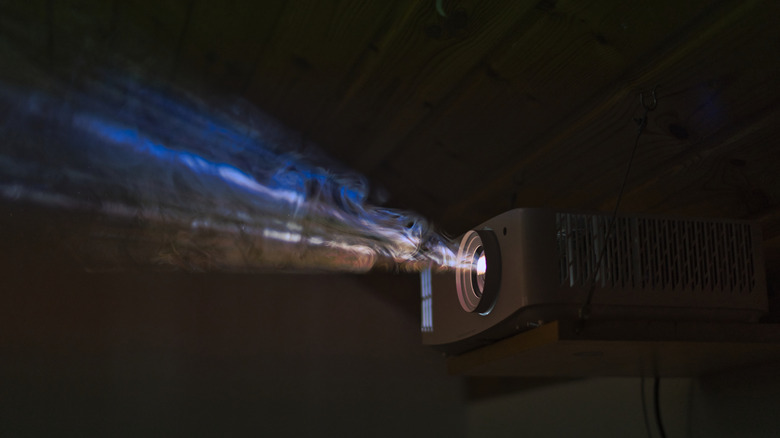
Projectors also offer a space-saving solution for those with limited room. Unlike large TVs, which can take up significant wall space and interfere with other decor, projectors are compact and can be mounted in a way that minimizes their visual impact. Even the largest projectors are generally smaller than the majority of modern TVs, allowing for more flexibility in arranging furniture and other items in the room.
Short-throw projectors, such as ultra-short-throw (UST) models, are particularly beneficial for small spaces. These projectors can be placed just a few feet away from the wall or screen, eliminating the need for a large amount of space in front of the projection surface. This makes them an excellent option for living rooms, bedrooms, or other areas where space is at a premium.
Cons of Choosing a Projector
Con: Brightness and HDR Limitations
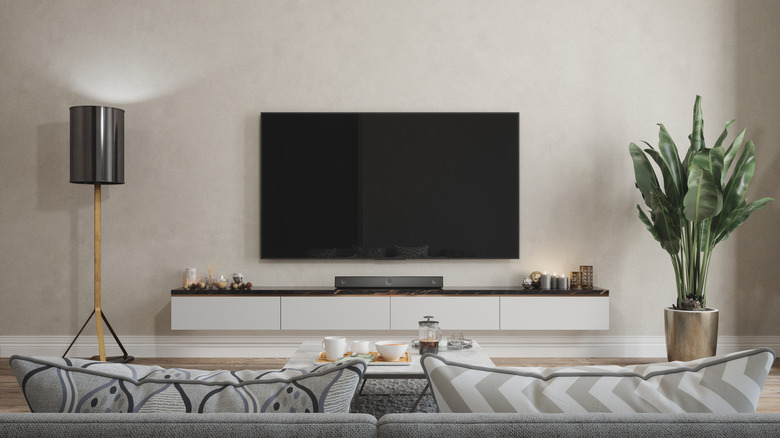
While projectors can produce impressive visuals, they often struggle with brightness and HDR support compared to modern televisions. Many TVs use advanced technologies like Mini LED, local dimming, and quantum dots to achieve higher peak brightness, making them suitable for watching content in well-lit environments. Projectors, on the other hand, may not perform as well in bright rooms unless they are equipped with a screen that absorbs ambient light.
Additionally, some projectors may lack support for certain HDR formats, such as HDR10+ and Dolby Vision, which are commonly used in streaming services and 4K UHD Blu-rays. This can result in a less vibrant and detailed picture, especially for viewers who prioritize color accuracy and contrast.

Con: Audio
Projectors typically have limited audio capabilities, and their built-in speakers are often not powerful enough to deliver an immersive sound experience. If the projector is placed at the back of the room, the sound may not reach the audience effectively, leading to a poor audio experience.
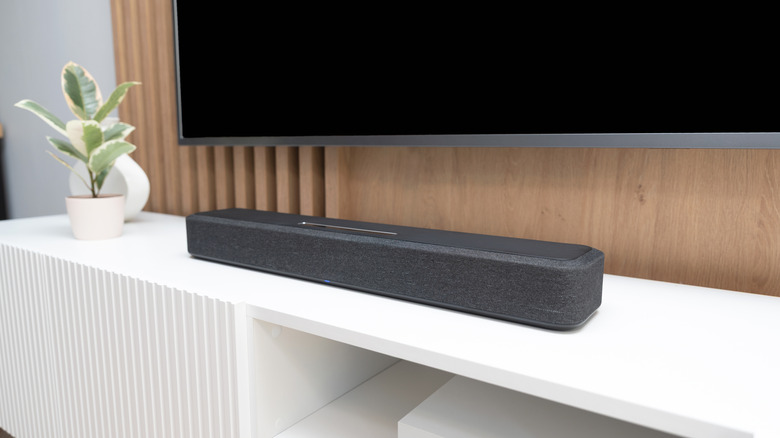
To address this issue, many users opt for external audio solutions such as soundbars, surround sound systems, or wired speaker setups. However, these additions require additional cables and careful planning to ensure proper placement and connectivity. In comparison, modern TVs often have better audio integration, including wireless connectivity options like Bluetooth, making it easier to connect external audio devices.
Ultimately, the decision between a projector and a television depends on your personal preferences, room layout, and budget. While projectors offer advantages in terms of screen size, cost, and space efficiency, they also come with limitations related to brightness, HDR support, and audio quality. By carefully evaluating your needs and considering the pros and cons, you can make an informed choice that best suits your home entertainment goals.
