Xiaomi Deploys Humanoid Robots in Electric Car Assembly
A New Era of Robotics in Manufacturing
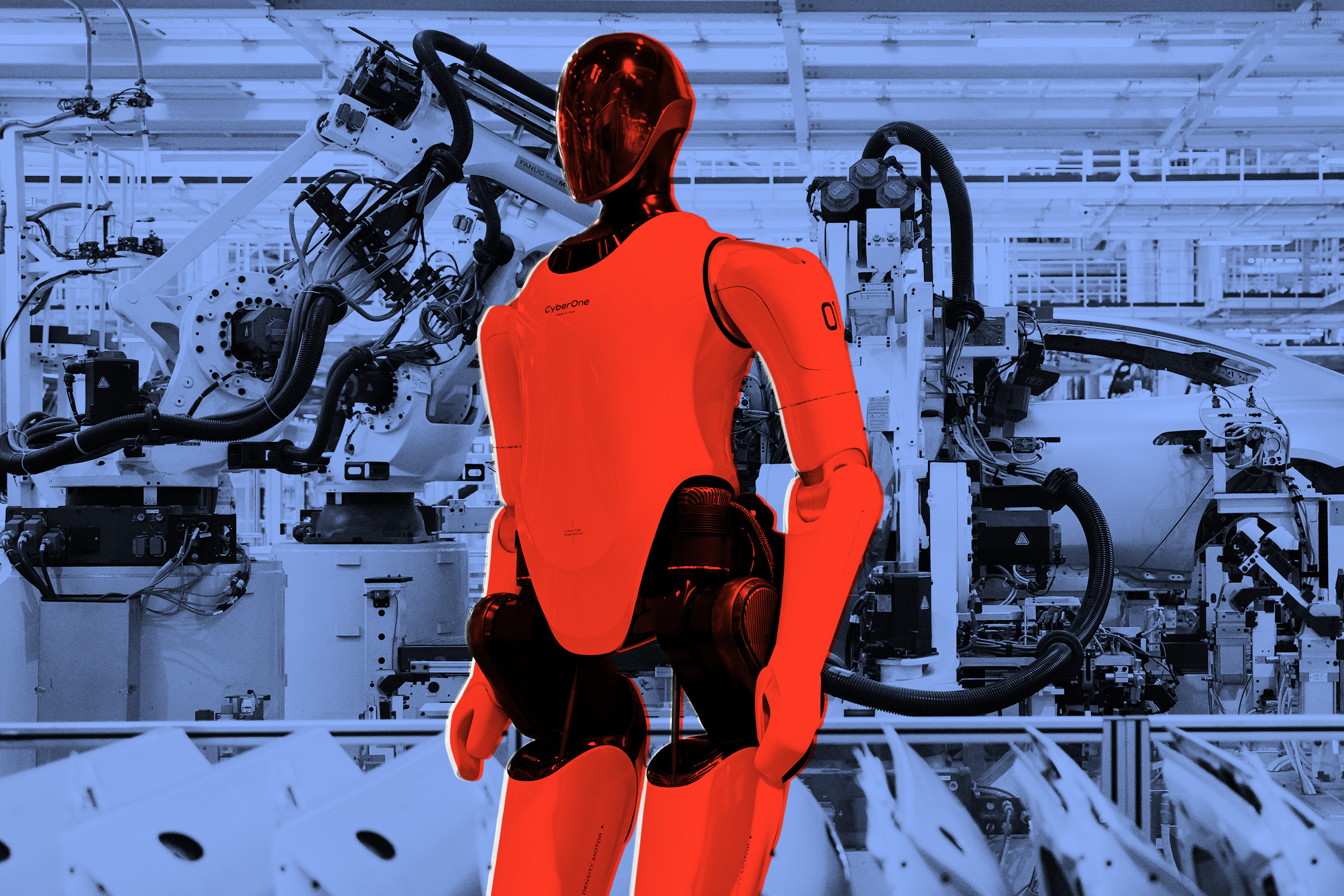
A new kind of "intern" is making its way onto the assembly line, and this one doesn’t need bathroom breaks or lunch breaks. The Chinese consumer electronics giant Xiaomi has recently announced a trial run involving humanoid robot workers at its electric vehicle factory in Beijing. This marks a significant step in the integration of advanced robotics into industrial production settings.
During an interview with CNBC, Xiaomi president Lu Weibing revealed that the company’s bots successfully completed 90.2 percent of the work over a three-hour period. A promotional video shared by the company shows two robots positioned at opposite ends of the assembly line, carefully applying lugnuts to a vehicle chassis. While the cycle time of 76 seconds might seem slow compared to human performance, it represents one of the first successful integrations of humanoid robots into an industrial environment.
According to Lu, the robots are fast enough to keep up with the pace of the rest of the factory. “In Xiaomi’s car factory, every 76 seconds, a new car gets off the assembly line. The two humanoid robots are able to keep up our pace,” he explained. Despite the success of the trial, Lu remains cautious about the robots’ role. “The robots in our production lines weren’t doing an official job, more like the interns,” he told the broadcaster.
This achievement highlights not only Xiaomi’s progress but also China’s broader leadership in industrial robotics. The country has already deployed more industrial robots than any other nation in history. While Xiaomi may be the latest to introduce bipedal robots to the assembly line, it is not the first. In February, a UK-based firm named Humanoid conducted a similar pilot, achieving a success rate of over 90 percent in a tote-stacking task, according to Humanoids Daily.
The tasks performed by these robots differ significantly. The Humanoid bots focused on handling larger objects with less precision, while the Xiaomi robots had to place smaller parts with pinpoint accuracy. There is also a debate over what qualifies as "humanoid." The Xiaomi robots were truly bipedal, completing tasks on two legs, whereas the Humanoid-produced robots were mounted on a stable base.
It remains unclear who will be the first to deploy bipedal robots in an industrial setting full-time. However, the growing number of companies exploring this technology is astonishing. As advancements continue, the potential for humanoid robots to revolutionize manufacturing becomes increasingly tangible.
Key Developments in Robotics
- Precision and Efficiency: The Xiaomi robots demonstrated remarkable precision in placing small components, showcasing their ability to perform complex tasks.
- Integration Challenges: One of the main challenges in integrating robots into production lines is ensuring they can match the pace of existing systems.
- Diverse Applications: Different companies are testing humanoid robots for various tasks, from tote stacking to assembling vehicle parts.
- Technological Evolution: The definition of "humanoid" continues to evolve as robots become more versatile and capable of performing a wider range of tasks.
Future Prospects
As companies like Xiaomi and Humanoid push the boundaries of what humanoid robots can achieve, the future of manufacturing looks increasingly automated. The potential for these robots to take on more complex roles in industrial settings is vast, and the implications for efficiency, safety, and productivity are significant.
With ongoing research and development, the day may come when humanoid robots are not just interns but full-fledged members of the workforce. For now, the trials conducted by Xiaomi and others serve as important milestones in the journey toward a more automated future.
