Alberta innovator revolutionizes sleep science
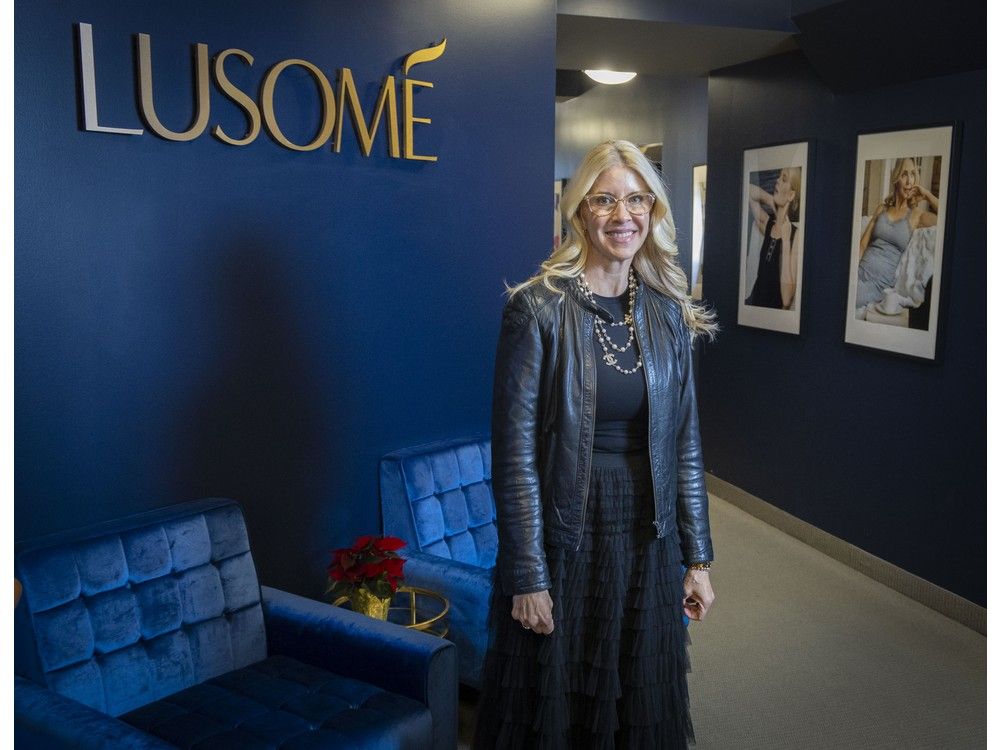
A New Approach to Sleep and Health
When most people think about cancer, the first thing that comes to mind is likely not sleep quality. However, for Lara Smith, the issue of sleep became a central concern when her sister was diagnosed with breast cancer over a decade ago. The specific type of cancer her sister had led to severe night sweats, making it difficult for her to get restful sleep during treatment and even after.
Smith, who grew up in Edmonton and worked in Calgary for a workwear company, found herself frustrated by the lack of suitable products for her sister. She couldn’t find pajamas that were both comfortable and stylish, nor did she want anything that felt unflattering or made from cheap materials. Her goal was to create something that would help women experiencing hot flashes and night sweats stay cool and comfortable while still looking good.
After years of searching, Smith decided to take matters into her own hands. She left her job, took out a second mortgage on her home, and embarked on a two-year journey of research and development. This effort eventually led to the creation of Lusomé, a company focused on sleep health.
The first product from Lusomé was cooling pajamas, which gained significant attention and were even featured on Oprah’s Favorite Things. Even though her sister has been cancer-free for over 10 years, Smith's commitment to improving sleep quality hasn't wavered.
In September, Lusomé introduced a new product that made waves in the field of sleep science. An 18-month clinical trial conducted by Harvard Medical School showed promising results for the company’s cotton bedsheet, which uses special technology to prevent overheating—similar to the cooling pajamas.
The peer-reviewed study, published in Frontiers, involved 64 participants who provided over 2,600 days of data. Nearly 90% of the participants were female, and they completed baseline questionnaires, kept daily diaries for six weeks, and filled out an end-of-study questionnaire. The study used the Pittsburgh Sleep Quality Index and the Restorative Sleep Questionnaire to measure outcomes.
Smith admitted that submitting her product to a clinical trial was a risky move. “It was a risk, and I was biting my nails for 18 months,” she said.
However, the results were encouraging. Two-thirds of the participants reported improved sleep quality, and the number of people who experienced sleeping too hot dropped from 83% to 40%. Additionally, average sleep duration increased by 26 minutes per night.
The technology behind the sheets involves phase-shift materials, which absorb energy as they transition from solid to liquid. These materials have melting points near room temperature, allowing them to shift phases as the temperature rises. When they change phase, they absorb heat from their surroundings, creating a cooling effect. This same technology is used in the undergarments worn by NASA astronauts.
While Lusomé helped recruit participants and fund the study, the company stated that the funder was not involved in any other part of the design, analysis, or preparation of findings, or the decision to publish. Researchers also recommended replicating the study in a randomized placebo-controlled design.
With the positive results now public, interest in Lusomé’s new bedsheets has grown significantly. The company, based in Calgary, is already working on other projects, including a pillowcase designed to aid hydration and a new kind of mattress pad.
