China's Top Court Holds Drivers Accountable for Autonomous Tech Failures
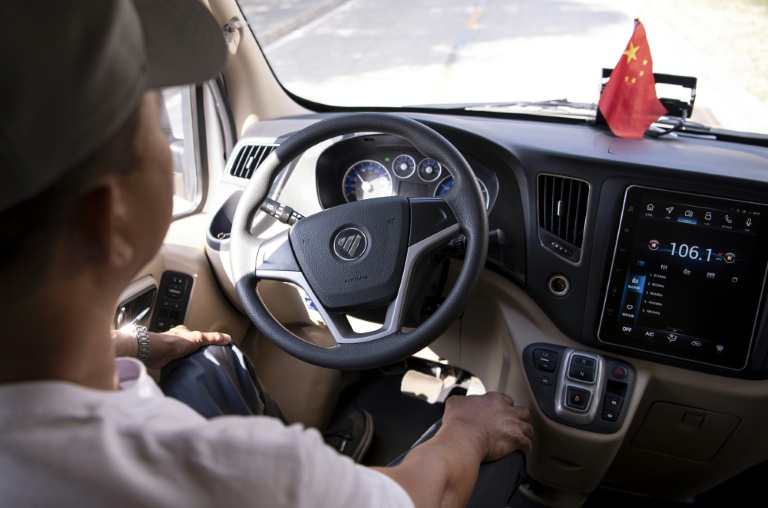
China's Top Court Rules on Driver Responsibility in Assisted Driving
China's Supreme People's Court has issued a landmark ruling that clarifies the responsibility of drivers using assisted driving technology. The decision sets a nationwide standard, reinforcing Beijing's role as a key player in shaping global automotive regulations.
The ruling was based on a case involving a driver who relied entirely on the vehicle's assisted driving system while intoxicated and asleep at the wheel. This incident highlighted the critical need for clear legal guidelines regarding the use of such technologies.
A Growing Market with High Stakes
Chinese tech companies and automakers have invested heavily in autonomous driving technology, aiming to compete with global leaders in the United States and Europe. However, recent events have prompted Beijing to take a more cautious approach, emphasizing the importance of safety.
In March of this year, a high-profile crash raised concerns about the marketing of vehicles as being capable of autonomous driving. In response, the government has begun to tighten safety regulations, ensuring that drivers remain actively involved in the operation of their vehicles.
Legal Standard for Assisted Driving
The court's ruling emphasizes that even with advanced technology, the driver remains the primary subject responsible for road safety. This is outlined in a "guiding case" released on Friday, which serves as a reference for lower courts when handling similar situations.
The specific case referenced involves a driver surnamed Wang from Zhejiang province. Wang installed a device to simulate hand grip on the steering wheel, activated the assisted driving system, and then fell asleep in the passenger seat. The car eventually stopped in the middle of the road, leading to his arrest and subsequent sentencing.
"The on-board assisted driving system cannot replace the driver as the primary driving subject," the Supreme People's Court stated. "The driver is still the one who actually performs the driving tasks and bears the responsibility to ensure driving safety."
Enforcing Safety Standards
This ruling ensures that the legal requirement for driver involvement is now standardized across the country. It also reinforces the importance of following manufacturer guidelines, which typically state that the driver must maintain control of the vehicle at all times.
In addition to this, Beijing has taken further steps to enhance safety measures. The city announced a ban on hidden door handles on cars, a design feature popularized by Tesla. These handles, which fold into the car body to reduce drag, have been criticized for becoming inoperable during crashes.
A notable incident occurred in October in Chengdu, where rescuers struggled to open the doors of a burning electric vehicle. This event underscored the potential dangers associated with the design and prompted regulatory action.
Future Implications
As China continues to develop its automotive industry, the focus on safety and responsibility will play a crucial role in shaping the future of assisted driving technology. The Supreme People's Court's decision not only sets a legal precedent but also signals a broader commitment to protecting drivers and pedestrians alike.
With ongoing advancements in technology, it is essential that regulations evolve alongside them. By establishing clear guidelines and enforcing strict safety standards, China aims to lead the way in creating a safer and more reliable driving environment for all.
