Cyberattacks at the Olympics: Italy Stops Suspected Russian Hacks
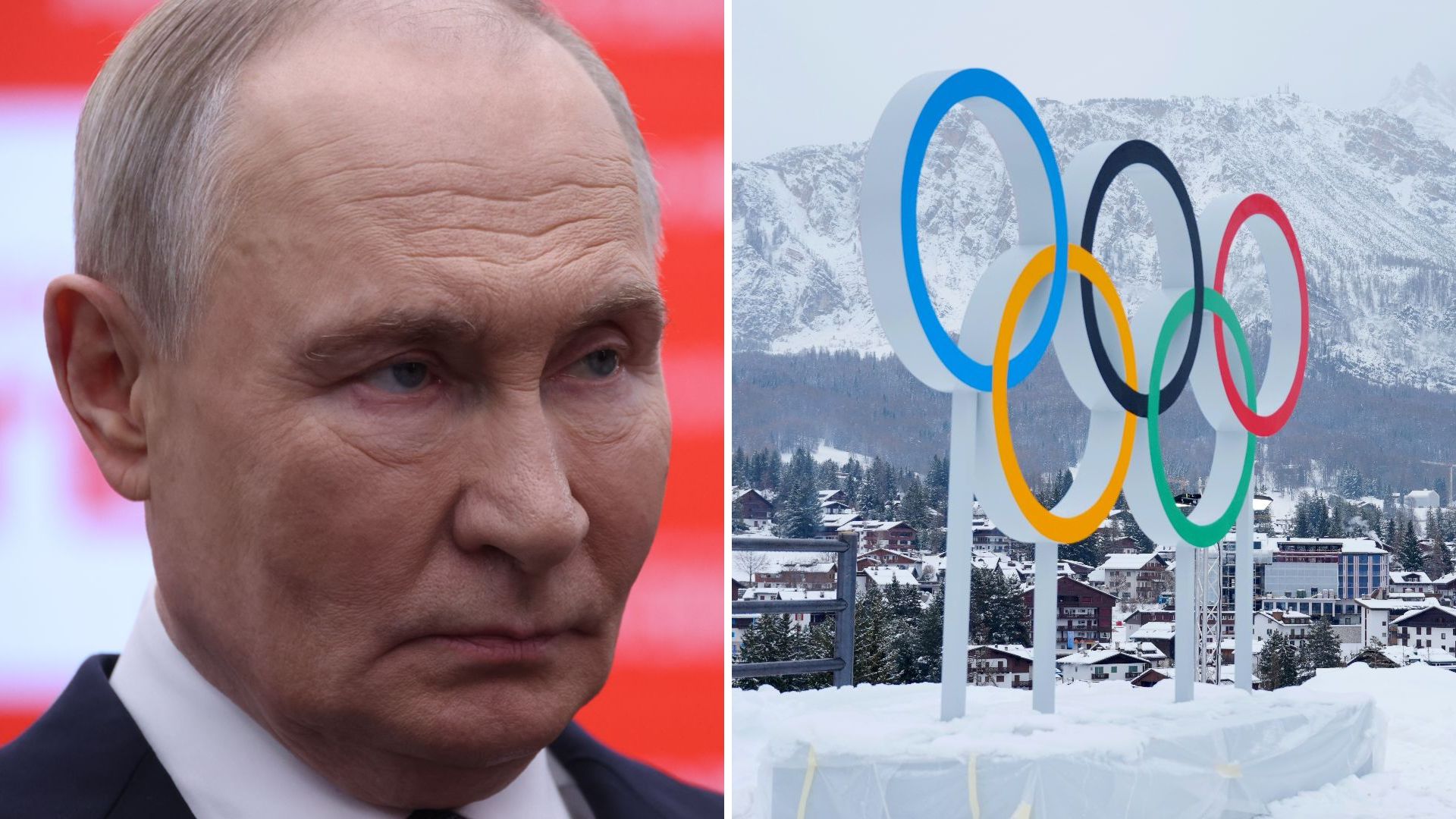
On the heels of the Winter Games, Italy announced that it had stopped a series of cyberattacks that it attributed to actors “of Russian origin.” The targets included government infrastructure, Olympic-related websites, and even local hotels. In a context where digital security is becoming as essential as physical security, this episode deserves calm and clear consideration.

What happened?
According to Foreign Minister Antonio Tajani, Italian cybersecurity services detected and neutralized several intrusion attempts targeting the Foreign Ministry, an embassy in Washington, websites related to the Games, and several hotels in Cortina d’Ampezzo. The authorities did not release specific technical details, but emphasized the coordinated and targeted nature of the operations.

Why does it matter?
Major sporting events are now international symbols, intense media moments, and complex logistical hubs. This makes them attractive targets for destabilization or political pressure operations. A successful digital attack can paralyze services, sow confusion, or damage the image of a host country—without firing a single shot.
Persistent tensions between Russia and Europe since the invasion of Ukraine have heightened vigilance. Attacks attributed to groups linked to Russia have already targeted airports, transportation networks, and public services in Europe. The Italian announcement serves as a reminder that the battlefield is now increasingly extending into cyberspace.
There are concrete precedents
The 2018 PyeongChang Games suffered a major attack attributed by several Western intelligence agencies to hackers linked to the Russian state, which temporarily disrupted systems during the opening ceremony. This history shows that the risk is not theoretical and that preparation is essential.

What Italy is doing
The authorities have strengthened coordination between intelligence agencies, national cybersecurity units, and the Games organizers. Teams are continuously monitoring networks related to transportation, hospitality, communications, and government services. The stated goal is to detect, neutralize, and, above all, prevent the spread of an attack before it disrupts operations.
Practical recommendations
For organizers, businesses, and the general public:
- Strengthen system updates and patches: this is the first line of defense.
- Segment critical networks to limit the spread in the event of an intrusion.
- Train staff on phishing risks and best practices (passwords, MFA).
- Implement continuity plans and communication procedures in the event of an incident.
- Collaborate with national cybersecurity services and share threat information.

It is also worth remembering that attributing an attack to a specific state or actors is a complex task that relies on technical evidence, intelligence, and often cross-analysis by different agencies. Public statements are intended to prevent and deter, but technical transparency is sometimes limited for operational reasons.
A globally unstable environment
The proliferation of cyber operations linked to geopolitical tensions transforms every major international event into a multidimensional security challenge. Cybersecurity must be thought of not only as a technical issue, but also as a political and organizational one.
In conclusion, let us remain calm but vigilant. The Italian authorities believe they have avoided a major disruption, which is testament to their enhanced preparedness. However, the possibility of further attempts remains real. If you are involved in any way in the organization or coverage of the Games, adopt the best practices outlined above: they often make the difference between an isolated attack and a lasting crisis.
Best practices summary
- Maintaining patches
- Multi-factor authentication
- Network segmentation
- Staff training
- Cooperation between public and private actors
These are simple and effective steps to limit risks and enjoy the Games in good conditions.