Don't collect shellfish at the seashore... Food and Drug Administration proactively responds to shellfish toxins in spring.
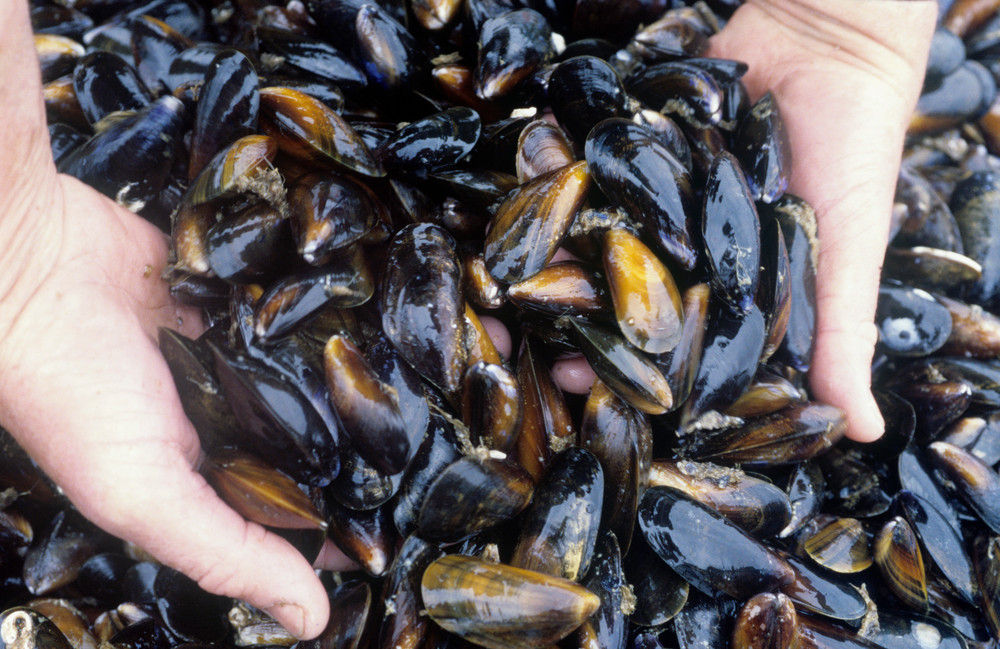
With rising water temperatures in spring, the government is taking preemptive safety measures against the risk of shellfish toxins.
The Food and Drug Safety Administration announced on the 13th that it will conduct intensified sampling and inspection for shellfish toxins, which occur in shellfish such as mussels and clams, and in sea cucumbers and sea urchins, from the 23rd until June 30. This year, inspections will start about ten days earlier than usual, taking into account rising sea temperatures due to climate change.
The items to be collected are 490 domestic shellfish and mollusk products sold at wholesale markets, large supermarkets, online stores, etc., and a concentrated inspection will be conducted on whether they meet the standards for paralytic and diarrheic shellfish toxins. In particular, this year the proportion of online distribution products has been expanded to about 20% of the total number of collected items, broadening the scope of management.
The aquatic products that receive an unsuitable inspection result are immediately halted from sales and disposed of, and the relevant information is disclosed on the Food Safety Korea website.
Shellfish toxins are toxic substances accumulated in the bodies of shellfish or bivalves after consuming toxic plankton. If ingested by humans, they can cause paralysis, diarrhea, memory loss, and in severe cases, difficulty breathing. Especially, the toxins cannot be removed even when frozen or heated, so special attention is required.
The Food and Drug Administration found three cases of mussels exceeding the permissible level of paralytic shellfish toxins when they collected and tested bivalves and mollusks in circulation last year, and took measures such as confiscation and destruction.
The Ministry of Food and Drug Safety said, "It is very dangerous to collect shellfish such as mussels, clams, and sea cucumbers by individuals at the seashore in spring," and urged people, "Please only purchase and consume products that have been inspected and confirmed to be safe."
