Drones revolutionize Olympic broadcasts as fans rave about the new view
The Rise of FPV Drones at the 2026 Winter Olympics
From the icy chutes of the bobsled track to the steep descents of the Alpine slopes, the 2026 Winter Olympics have been defined by a constant, high-pitched hum as a new generation of first-person-view (FPV) drones replaces static cameras with high-speed perspectives. This fleet of over 25 specialized aircraft, capable of tailing athletes at speeds up to 140 kph, has offered viewers an unprecedented look at the elite competition, while simultaneously sparking a debate among purists over the intrusive buzz now echoing through the mountain valleys of Italy.
Why Are Drones Being Used at the Winter Olympics?
Drones are being used in Milan to fundamentally change how audiences experience speed. While drones have been used in previous Olympics for scenery or light shows, this year marks the official debut of First-Person View (FPV), chasing athletes in real-time during live competition. Traditional fixed cameras often fail to convey the sheer velocity of winter sports. Drones instead provide a parallel perspective rather than a perpendicular one.
What Is an FPV Drone?
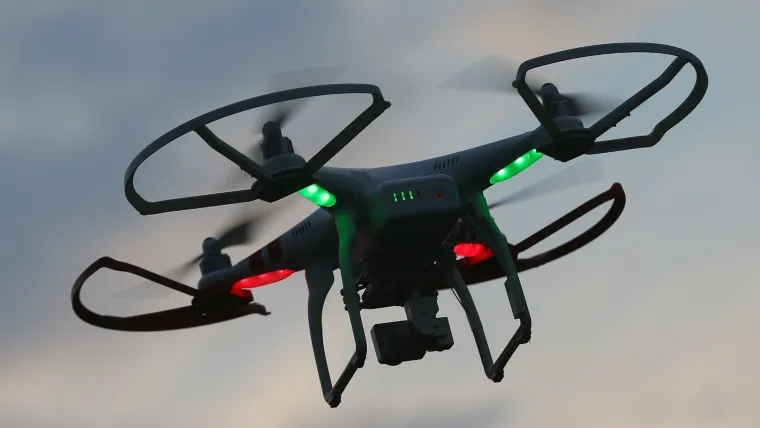
An FPV (First-Person View) drone is a type of unmanned aerial vehicle (UAV) that allows the pilot to see exactly what the drone sees in real-time. Unlike standard drones where the pilot looks at a screen on a controller or a smartphone, an FPV pilot wears video goggles that provide an immersive, cockpit-style view. The drones are designed to transmit video with nearly zero delay, giving viewers a new experience.
What Winter Olympic Events Are Using Drones on Broadcasts?
At the 2026 Winter Olympics, the Olympic Broadcasting Service has deployed a fleet of 25 FPV drones across almost every outdoor high-speed event. The focus this year is on "chase-cam" footage, where the drone follows inches or feet behind an athlete.
What Other Sports Have Used Drones in Broadcasts Before?
Extreme sports were the first to embrace drones because their athletes often move through terrain that is impossible for traditional camera cranes or helicopters to navigate. ESPN was one of the first major broadcasters to use drones during the 2015 Winter X Games in Aspen. They tracked snowboarders and snowmobile racers, providing the first real chase footage seen on television.
Traditional field sports were slower to adopt drones due to safety concerns over flying above massive crowds, but several leagues have broken the barrier, including MLB, where teams now use drones for pre-game coverage and to capture cinematic sweeps of the stadium during home runs.
Lastly, drones have become a staple of PGA Tour and LIV Golf broadcasts. Instead of just showing a graphic of the hole, drones fly the entire length of the fairway at "ball height," giving viewers a literal "bird's eye" view of the hazards and green undulations before the players tee off.
A Timeline of Drone Debut in Sports
Here's a table of when drones made their debuts for respective sports:
| Sport | Milestone Year |
|---|---|
| Olympics (Sochi) | 2014 |
| PGA Tour | 2014 |
| X Games | 2015 |
| AMA Supercross | 2015 |
| U.S. Open (Golf) | 2015 |
| NFL (Super Bowl) | 2017 |
| NASCAR | 2020 |
| USFL / UFL | 2022 |
| Olympics (Paris) | 2024 |
| Formula 1 | 2024 |
| Olympics | 2026 |
Conclusion
The integration of FPV drones into the 2026 Winter Olympics represents a significant shift in how sports are broadcasted and experienced. By offering a dynamic, real-time perspective, these drones enhance the viewer’s connection to the action. However, their presence also raises questions about the balance between technological advancement and the traditional essence of the games. As the use of drones continues to expand across various sports, it will be interesting to see how they shape the future of live broadcasting and audience engagement.
