Drones Shine at the Winter Olympics
The Drones Taking Center Stage at the Milan Cortina Winter Olympics
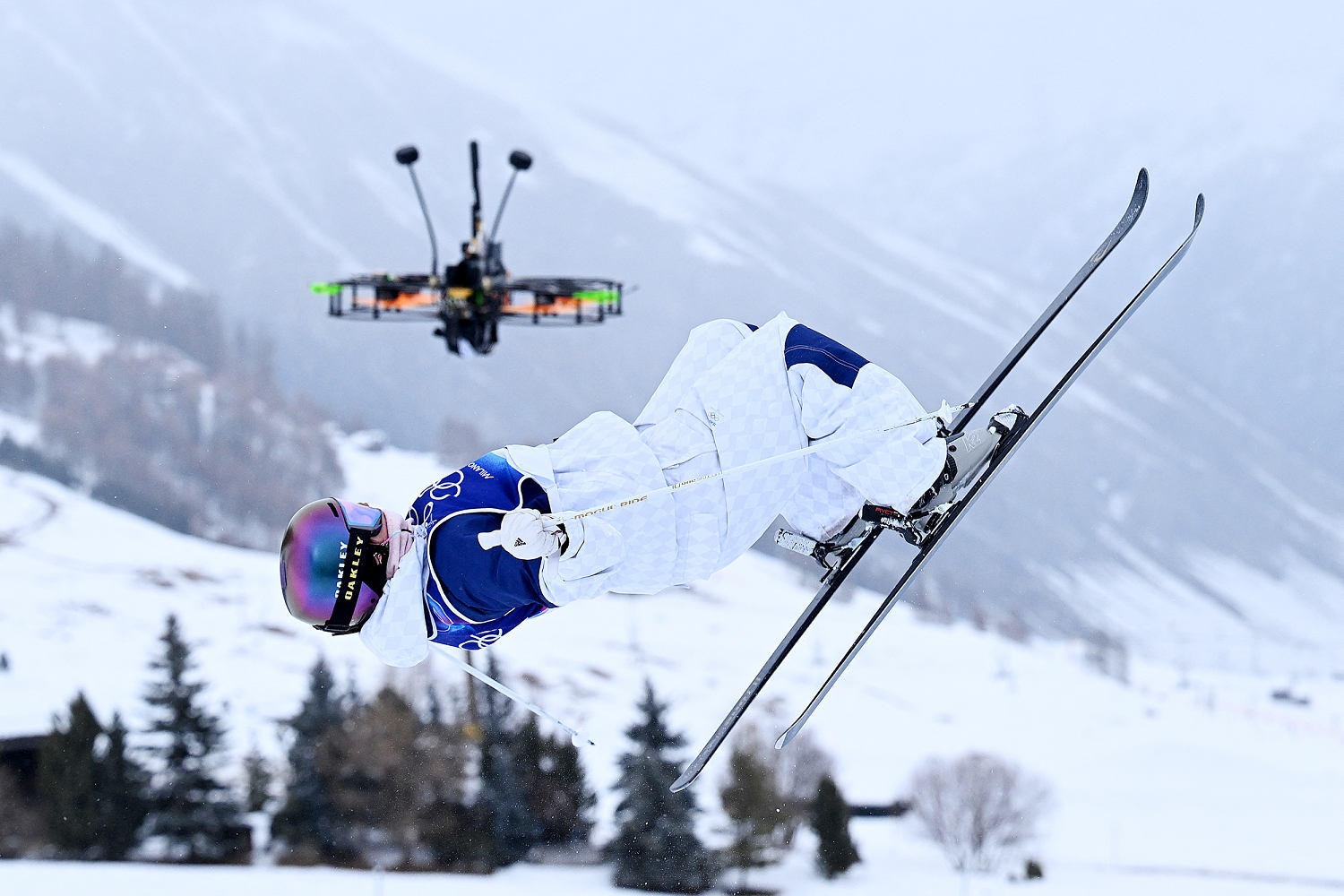
In a surprising twist, the standout feature of the Milan Cortina Winter Olympics isn’t an athlete but a fleet of 25 drones. These high-tech machines have been making headlines by capturing stunning footage of various winter sports. Drone operators, wearing goggles and working alongside spotters, have successfully flown these devices through tight spaces such as luge tracks, around speed skaters, and even over downhill skiers in the breathtaking Dolomites. They can reach speeds of up to 75 mph, providing a unique perspective that traditional cameras can't match.
Yiannis Exarchos, CEO of Olympic Broadcasting Services (OBS), emphasized the significance of this innovation. "We saw an opportunity to bring the coverage of the sports into a new dimension," he said. This initiative aims to give viewers a more immersive experience, especially for winter sports where the environment plays a crucial role.
Drones have been part of the Olympic scene since 2014, with "first-person-view" drones making their debut during mountain biking at the 2024 Paris Olympics. At the current games, 15 of the 25 drones are first-person-view models, contributing to the overall coverage that includes over 800 cameras managed by OBS. Despite their limited numbers, these drones have captured the attention of both audiences and media outlets, leading to a significant briefing on their implementation.
The enthusiasm from journalists has been overwhelming, with many expressing admiration for the innovative shots. One user on X remarked, "Olympic drone pilots might be the most underrated upgrade of these Games." U.S. Alpine skier A.J. Hurt also praised the drones, noting how they follow athletes during downhill runs, creating an exciting visual experience.
Marcin Grzybowski, a senior host broadcast producer for OBS, shared his thoughts on the unexpected positive reception. "We are surprised a little bit by the reaction, but also expect to impress, to give our Olympic viewers something new," he said. This sentiment reflects the broader goal of enhancing the viewing experience while maintaining a focus on storytelling rather than just showcasing technology.
Planning for the Future
The decision to expand drone usage began over two years ago, driven by the desire to engage casual sports fans who make up a significant portion of the Olympic audience. Technological advancements have made drones smaller, more capable, and less lag-prone, allowing for better transmission of footage. These drones, sourced from various vendors including Chinese-based companies, were not introduced as a gimmick but as a means to enhance the narrative of the sports.
Exarchos highlighted the importance of aligning technological innovations with the story being told. "We use a technological innovation only if it adds to the story that we’re telling," he explained. This approach ensures that the drones serve a purpose beyond mere spectacle.
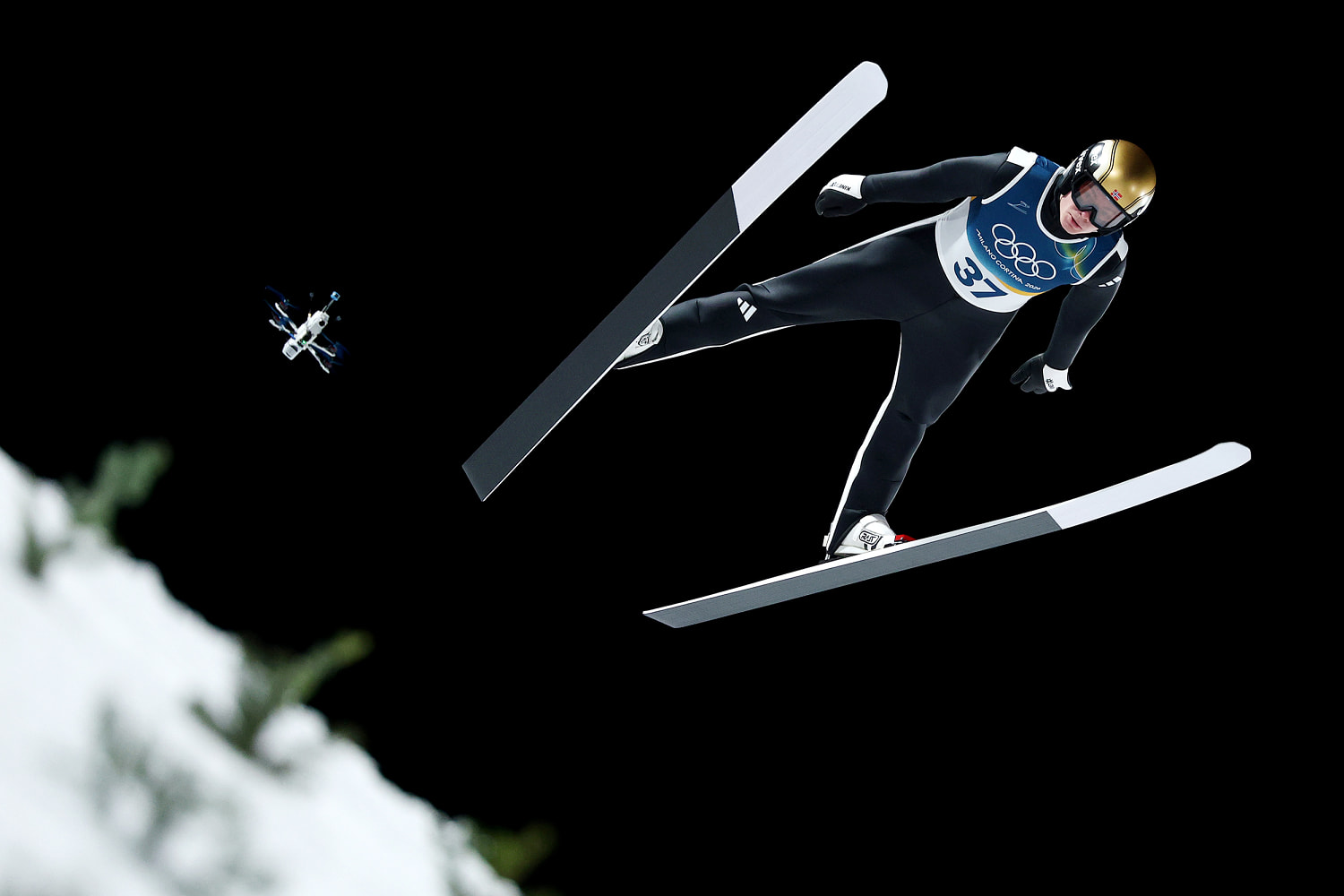
Among the 16 sports at the Winter Olympics, drones have captured footage in all except hockey, curling, short-track speed skating, and figure skating, where traditional cameras are deemed more suitable. Ski jumping, traditionally viewed from below, has now been captured from above, offering a fresh perspective. A former ski jumper, who is now a drone operator, has played a key role in developing the plan to shoot this sport.
Safety and Preparation
Before the drones could take flight, organizers had to ensure the safety of the athletes. Exarchos emphasized that safety was the top priority, with all drones complying with civil aviation rules. They must be flown behind or to the side of athletes to avoid any potential mishaps. Test crashes have occurred, and course marshals have practiced disposing of any fallen drone parts to maintain the integrity of the competition.
Jelmer Poelsma, a drone operator at speed skating, described the challenge of flying in tight spaces. "It's generally considered easier to operate drones in linear speed sports," he noted. However, in sports like moguls, where athletes vary their speed, the task becomes more complex.
Poelsma, with 11 years of drone experience, emphasized the difficulty of maintaining a safe distance while capturing usable footage. He tested the drone in Milan two months before the games and felt confident about the process. Athletes have shown interest in the footage, with some reaching out to share their experiences.
Challenges and Critiques
Despite the positive feedback, not all athletes have been entirely satisfied. Bea Kim, a U.S. snowboarder, mentioned that drones sometimes flew too close to competitors. However, Zoi Sadowski Synnott, a silver medalist in Big Air, found the bird’s eye view unimpressive. Anna Riccardi, the Milan 2026 Sport Director, noted that no complaints had led to the non-use of drones.
The noise generated by the drones has also been a topic of discussion. However, some athletes don't notice the sound due to helmets and wind. Hurt, a U.S. skier, mentioned that he never heard the drones while skiing. Austrian snowboarder Anna Gasser, whose boyfriend already flies racing drones during her training, found the presence of a drone during her runs to be unremarkable.