Elderly people and dementia patients are at higher risk for cold-related diseases, so special attention should be paid.
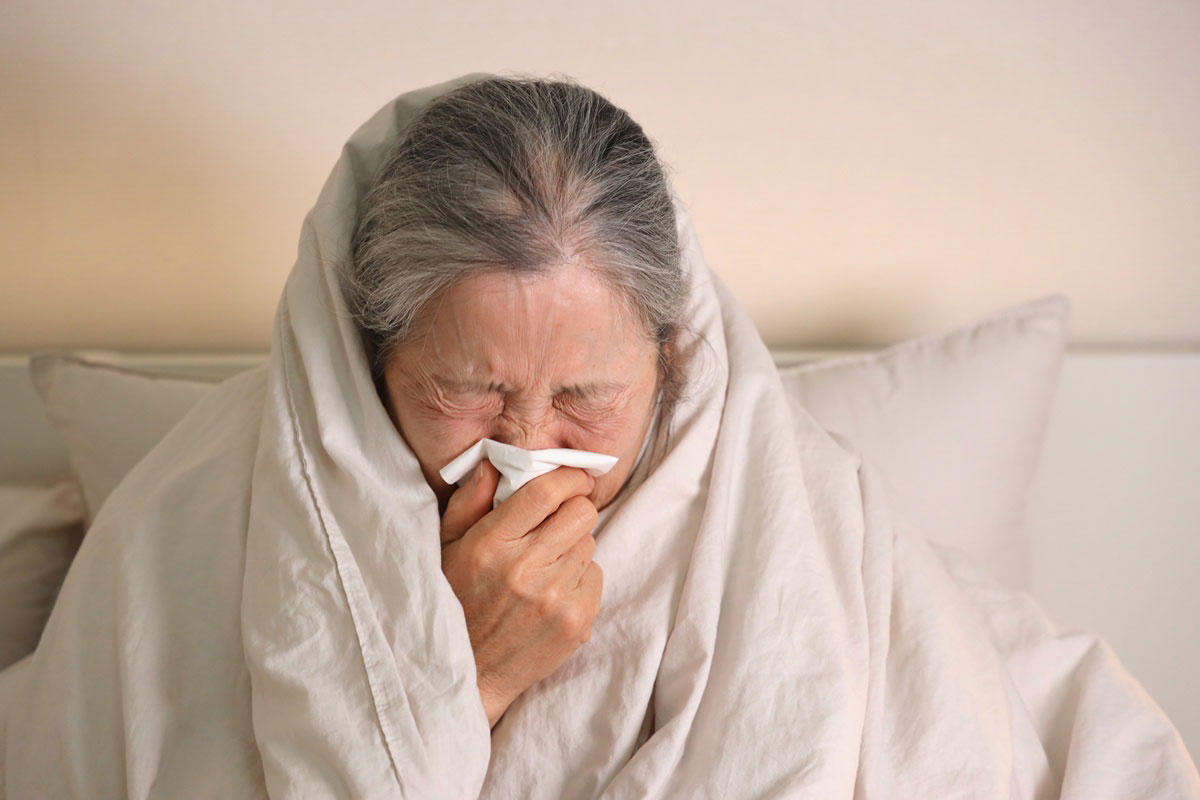
The Korea Disease Control and Prevention Agency said on the 13th that people should be cautious about winter health management, including cold-related diseases, in preparation for the Lunar New Year holiday.
According to the emergency room surveillance system for cold-related diseases operated by the Disease Control Korea, a total of 329 patients with cold-related diseases were reported from December 1 last year to this month's 11th. Among them, people aged 65 and above accounted for more than half at 56.8%. The proportion of dementia patients among those with cold-related diseases was 17.0%, and among the 14 deceased patients, 35.7% were dementia patients. This indicates that the risk of cold-related diseases is higher for the elderly and dementia patients, who may have a delayed awareness of the cold.
According to the analysis of last year's cold-related disease surveillance data, 21.3% of all patients were in a drinking state. When people drink alcohol, they may not be aware of the drop in body temperature, so more attention is needed regarding cold-related diseases when drinking.
The Disease Control Administration said, "Generally, drinkers and the elderly, especially the elderly with cognitive impairment, are the main high-risk groups for cold-related diseases," and explained, "During holidays, outdoor activities increase, and the risk of cold-related diseases may rise regardless of age."
In winter, the elderly, especially those with cognitive impairments such as dementia, require sufficient warmth and care. When engaging in long outdoor activities such as visiting ancestral graves or hiking during holidays, it is necessary to follow basic preventive measures, including wearing warm clothing and maintaining body temperature, regardless of age.
