EU Commissioner Hails GERD as Model for African Self-Funded Infrastructure
A Vision for Africa's Infrastructure and Resource Management
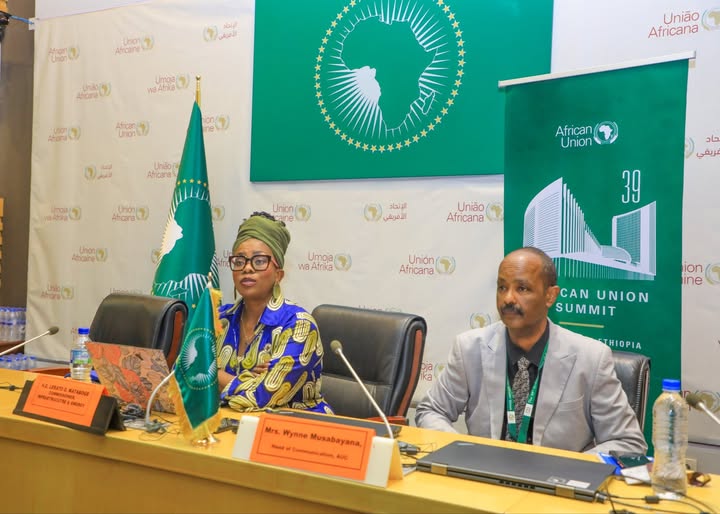
The African Union Commissioner for Infrastructure and Energy, Lerato Mataboge, has emphasized the significance of the Grand Ethiopian Renaissance Dam (GERD) as a symbol of Africa’s capacity to fund and execute major infrastructure projects using its own resources. This perspective was shared during a press conference focused on accelerating Agenda 2063, advancing digital transformation, and implementing the Programme for Infrastructure Development in Africa.
Mataboge highlighted that the GERD represents a remarkable achievement in domestic resource mobilization. “The self-construction of the GERD is a great success that can serve as an example for Africans,” she stated. She encouraged African nations to explore similar strategies in financing critical infrastructure projects through local resources.
Rising Costs and Climate Challenges
The Commissioner pointed out that the increasing global cost of capital is creating significant challenges for African countries aiming to fund large-scale infrastructure projects. “The cost of capital is increasing globally, and this is becoming a major challenge for Africa in financing infrastructure,” she explained.
In addition to financial pressures, climate change is further straining fiscal resources. Mataboge noted the impact of droughts and floods on infrastructure systems and national economies throughout 2026. These environmental challenges are compounding the difficulties faced by African nations in maintaining and developing their infrastructure.
Shifting Global Priorities and the Importance of Water
Mataboge also discussed the evolving global strategic priorities, which are moving beyond traditional minerals to include critical natural resources. Water, in particular, is emerging as a key asset for regional stability and development. She revealed that the African Union’s 2026 theme will focus on water and sanitation, an issue currently under discussion within the Union.
“Access to clean water and sanitation is indispensable to accelerate industrialization, operate factories efficiently, and build a healthy workforce,” she said. The Commissioner stressed that water and sanitation must be regarded as core economic infrastructure.
Addressing the Water Investment Gap
According to Mataboge, 300 million people across Africa lack access to safe drinking water, while 780 million are without adequate sanitation services. Closing this gap will require an estimated $30 billion in investment. She mentioned that several programs are already underway to address this shortfall.
She emphasized that narrowing Africa’s infrastructure gap requires sustained resource mobilization and long-term planning. Citing Ethiopia’s construction of the GERD as a notable achievement, Mataboge highlighted the importance of such projects in driving development.
Regional Cooperation and Strategic Resource Exchange
Beyond infrastructure financing, Mataboge also underscored Ethiopia’s provision of water to Djibouti as a practical example of regional cooperation. She argued that continental integration should extend beyond trade in goods to include the exchange of strategic resources among African countries.
“It’s not just about trade of products,” she said. “It’s also trade of our own resources among ourselves for our own development.” This vision of collaboration and mutual support is crucial for fostering sustainable growth across the continent.
Conclusion
The insights provided by Mataboge offer a comprehensive view of the challenges and opportunities facing Africa in its quest for infrastructure development and resource management. By leveraging local resources, fostering regional cooperation, and addressing pressing issues like water scarcity, African nations can work towards a more resilient and prosperous future.
