Europe's quantum leap from absolute zero begins
Introduction to a New Era in Computing
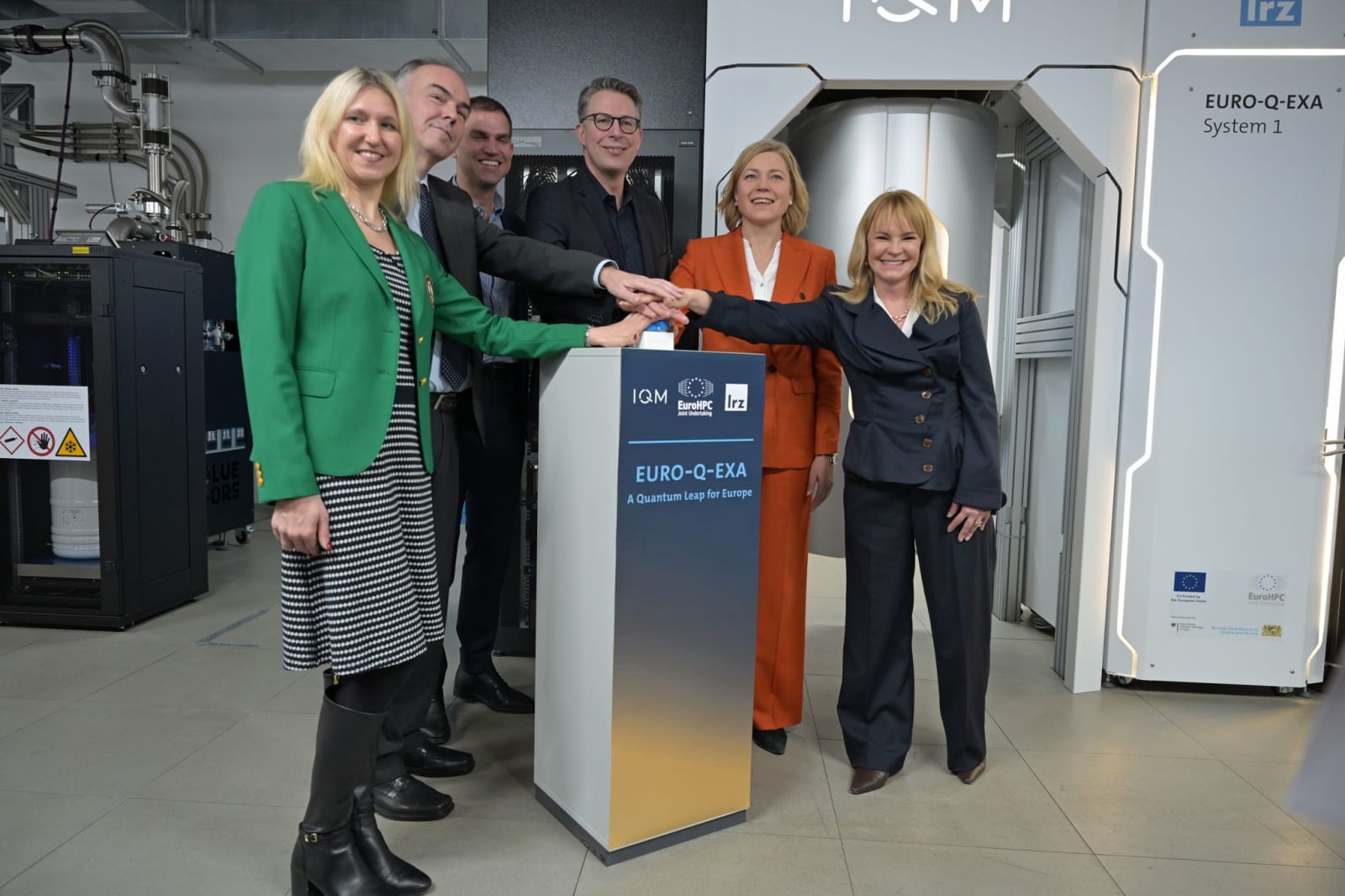
A groundbreaking quantum computer has officially begun operations at the Leibniz Supercomputing Centre (LRZ) of the Bavarian Academy of Sciences, located near Munich in southern Germany. This advanced system is described as the beginning of a journey into uncharted dimensions of computation. The quantum computer is part of a larger initiative under the European Union's efforts to establish itself as a leader in this cutting-edge field.
Euro-Q-Exa: A Major Step Forward
Euro-Q-Exa is one of six quantum systems developed as part of an EU project. These systems are integrated into European high-performance computers and have been procured by the European High-Performance Computing Joint Undertaking (EuroHPC JU). The primary goal of this initiative is to create independent computing capacities within Europe, ensuring that the region remains competitive on the global stage.
Revolutionary Technology and Cooling Mechanism
The new quantum computer, situated in the Bavarian town of Garching, is integrated into the local supercomputer SuperMUC-NG. It utilizes technology from the German-Finnish start-up IQM Quantum Computer. This system boasts a computing power of 54 quantum bits (qubits), which allows it to perform complex calculations at an unprecedented speed.
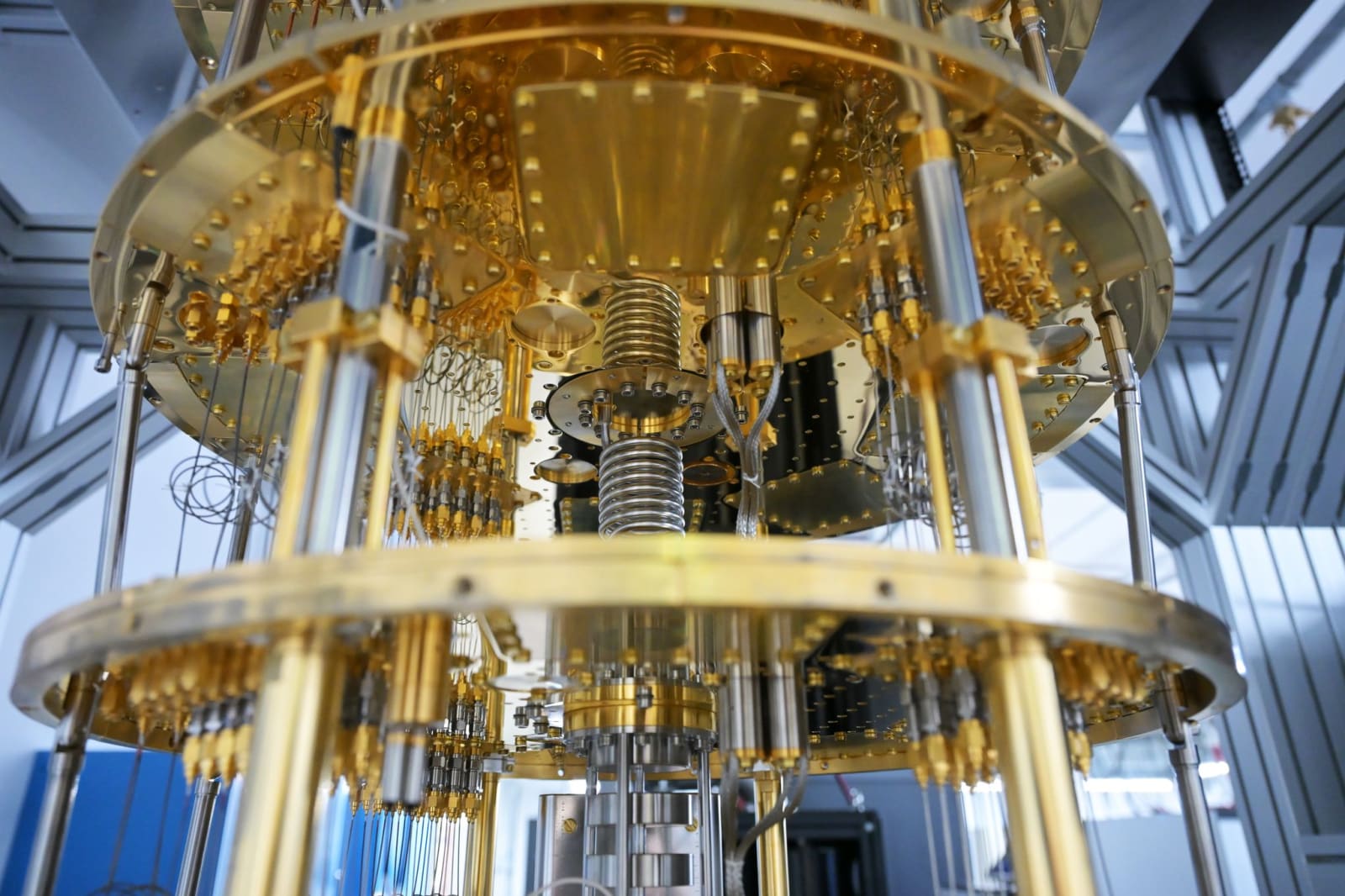
To ensure stability and usability of the sensitive computing units, the system is cooled to below -273 degrees Celsius. This temperature is just a fraction above absolute zero, the theoretical lowest possible physical temperature. For comparison, space itself has an average temperature of about -270 degrees Celsius. This extreme cooling is essential for maintaining the integrity of the quantum states required for computation.
Future Expansion and Potential
Euro-Q-Exa is expected to be enhanced by the end of the year with the addition of another quantum computer featuring approximately 150 qubits. This expansion will significantly increase the system's capabilities, allowing researchers to explore more complex problems and develop innovative solutions.
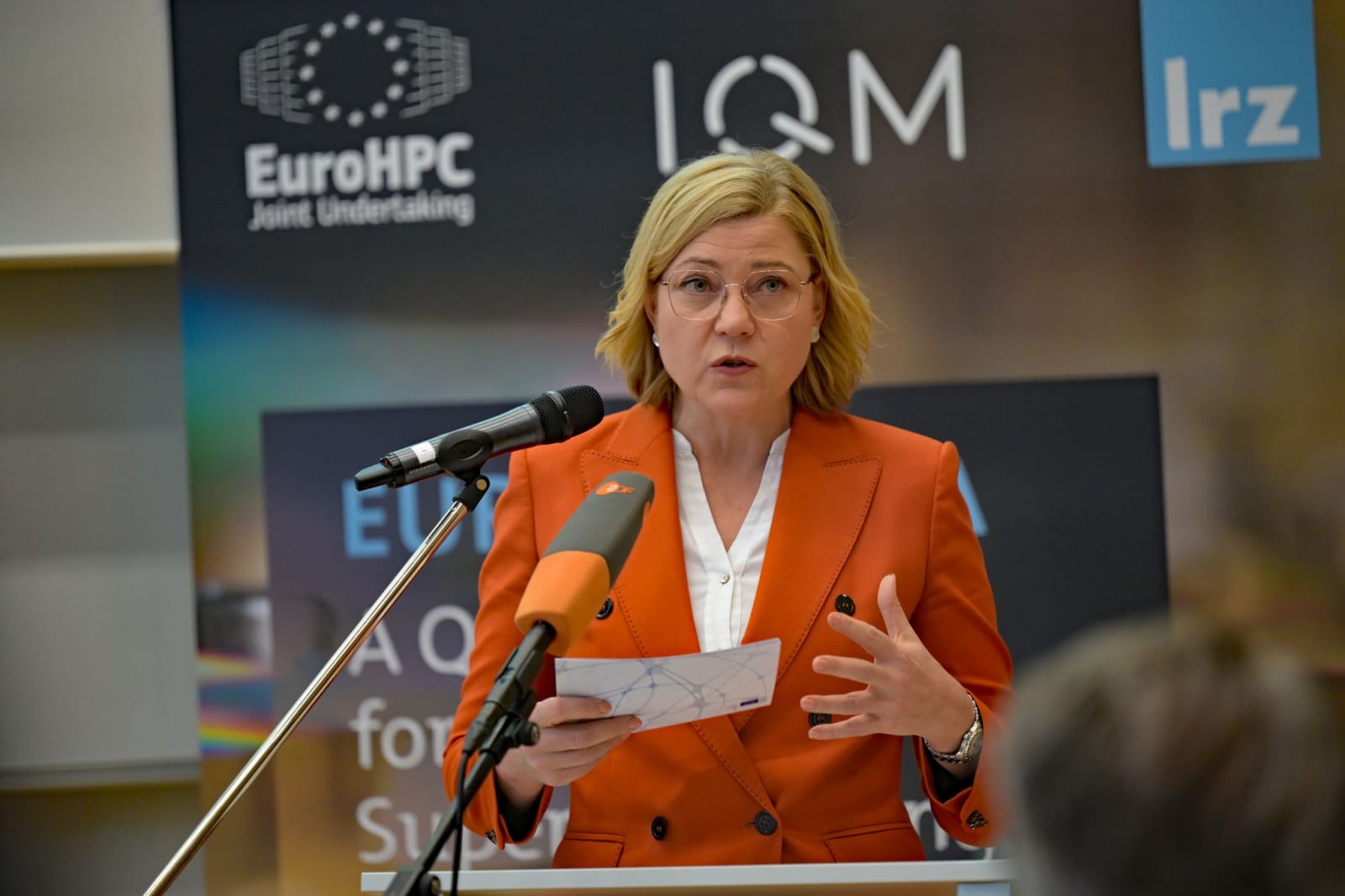
Dieter Kranzlmüller, the head of LRZ, emphasized the importance of combining the strengths of quantum computing with those of supercomputing. He stated, "With Euro-Q-Exa, we combine the strengths of quantum computing with those of supercomputing. Researchers thus have the opportunity to test new approaches, implement groundbreaking calculations, and thereby explore new scientific dimensions."
Applications of Quantum Computing
Quantum computers have the potential to revolutionize various fields, including trade and logistics, finance, and microchip design. They can efficiently solve complex computational tasks that are currently infeasible for classical computers. For example, finding the most efficient connection between multiple locations presents a significant challenge. With just 10 locations, there are several million possibilities, and with 58 locations, the number of variants increases to an astronomical figure—a tredecillion, which has 78 digits in European long-scale usage.
This complexity makes traditional calculation methods extremely laborious and time-consuming. Quantum computers, however, can process these tasks much more efficiently, opening up new possibilities for research and innovation.