Humanoid Traffic Controllers in China
Introduction to the Use of Humanoid Robots in Hangzhou
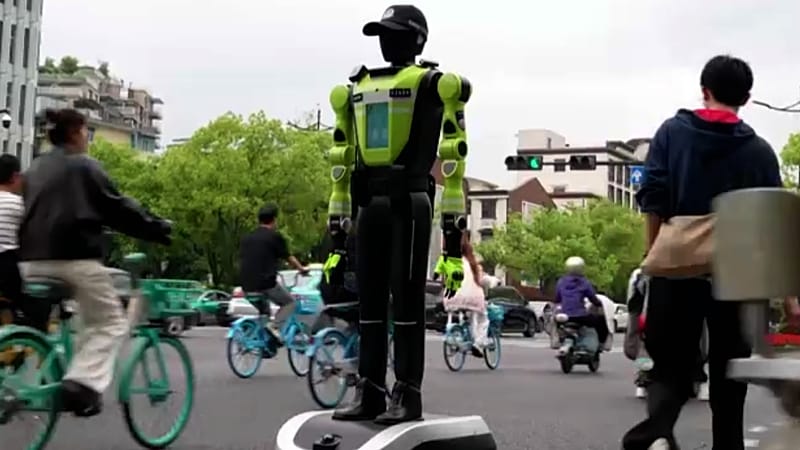
In a move that highlights the integration of advanced technology into everyday life, traffic police in Hangzhou, a city located in eastern China, have introduced humanoid robots at major intersections. This initiative is part of broader efforts to enhance road management during the May holiday period, a time when traffic congestion and pedestrian movement typically increase significantly.
Deployment of Humanoid Robots
The deployment of these robots marks a significant step in the use of artificial intelligence and robotics for public services. The humanoid robots can be seen directing both pedestrians and vehicles, using their arms to signal traffic and ensuring smooth movement at busy junctions. Their presence is not only functional but also serves as an attraction for the local community and visitors alike.
Role of the Robots in Traffic Management
Authorities have confirmed that 15 humanoid robots have been introduced to assist officers in the city. These robots are designed to work alongside human traffic police, providing support in managing the flow of traffic and ensuring safety for all road users. The initiative reflects the city's commitment to leveraging technology for improved public services.
Technological Hub of Hangzhou
Hangzhou is well-known as a major technology and artificial intelligence hub in China. The city is home to several prominent AI companies, including DeepSeek, which contributes to the development of cutting-edge technologies. The introduction of humanoid robots aligns with this technological landscape, showcasing the city’s readiness to adopt innovative solutions for urban challenges.
Public Reaction to the Robots
The machines have attracted a considerable amount of attention from the public. Many onlookers have stopped to take photos and videos, capturing the moment of this technological advancement. The robots have become a point of interest, drawing crowds and sparking conversations about the future of urban mobility and the role of artificial intelligence in daily life.
Impact on Urban Life
The use of humanoid robots in traffic management represents a shift towards more efficient and automated systems. As cities continue to grow and face increasing demands on their infrastructure, such innovations can play a crucial role in maintaining order and safety. The success of this initiative in Hangzhou could serve as a model for other cities looking to integrate similar technologies.
Future Prospects
With the ongoing advancements in artificial intelligence and robotics, the potential applications of such technology extend beyond traffic management. These robots could be adapted for various roles, including public assistance, emergency response, and even customer service. The experience in Hangzhou may pave the way for more widespread adoption of humanoid robots in different sectors.
