"If you go too digital, you lose the connection": Mini refuses to ditch buttons
The Evolution of Car Controls: Balancing Touchscreens and Tactile Buttons
The automotive industry has undergone a significant transformation in recent years, particularly when it comes to vehicle interiors. One of the most notable shifts has been the increasing reliance on touchscreens as the primary interface for drivers and passengers. However, this trend has not gone unchallenged. Many consumers have expressed concerns about the overuse of digital interfaces, leading some manufacturers to reconsider their approach.
The Rise of Touchscreen Technology
Touchscreens first gained popularity with the introduction of the iPhone, which set a new standard for user interaction. Automakers quickly followed suit, integrating large, central displays into their vehicles. These screens were designed to offer a seamless and modern driving experience, allowing drivers to control everything from navigation to climate settings with just a few taps.
This shift was driven by the desire to appeal to younger generations of car buyers who are more tech-savvy and accustomed to digital interfaces. The promise of a streamlined, minimalist design also played a role in the widespread adoption of touchscreen technology.
The Backlash Against Touchscreen Overload
Despite the initial enthusiasm, there has been a growing backlash against the excessive use of touchscreens. Drivers have reported difficulties in operating complex systems while on the road, leading to safety concerns. Additionally, many users found that the lack of physical buttons made it harder to access essential functions without taking their eyes off the road.
As a result, customers began demanding that automakers reintroduce tactile controls. This shift in consumer preferences has forced several major brands to rethink their strategies. Companies like Audi, Hyundai, and Volkswagen have responded by incorporating physical buttons back into their vehicles, even after facing public criticism for their initial designs.
BMW Group’s Approach to Touchscreen Integration
While the BMW Group has remained optimistic about the potential of touchscreen technology, it has also recognized the need for balance. The company understands that not all drivers want an overwhelming number of screens in their vehicles. This philosophy is evident in models like the new iX3, which features a large 17.9-inch central display but still retains many tactile controls.
This approach allows drivers to enjoy the benefits of digital interfaces while maintaining the familiarity and reliability of physical buttons. It also reflects a broader industry trend where manufacturers are striving to find the right mix between innovation and usability.
Mini’s Strategy for the Future
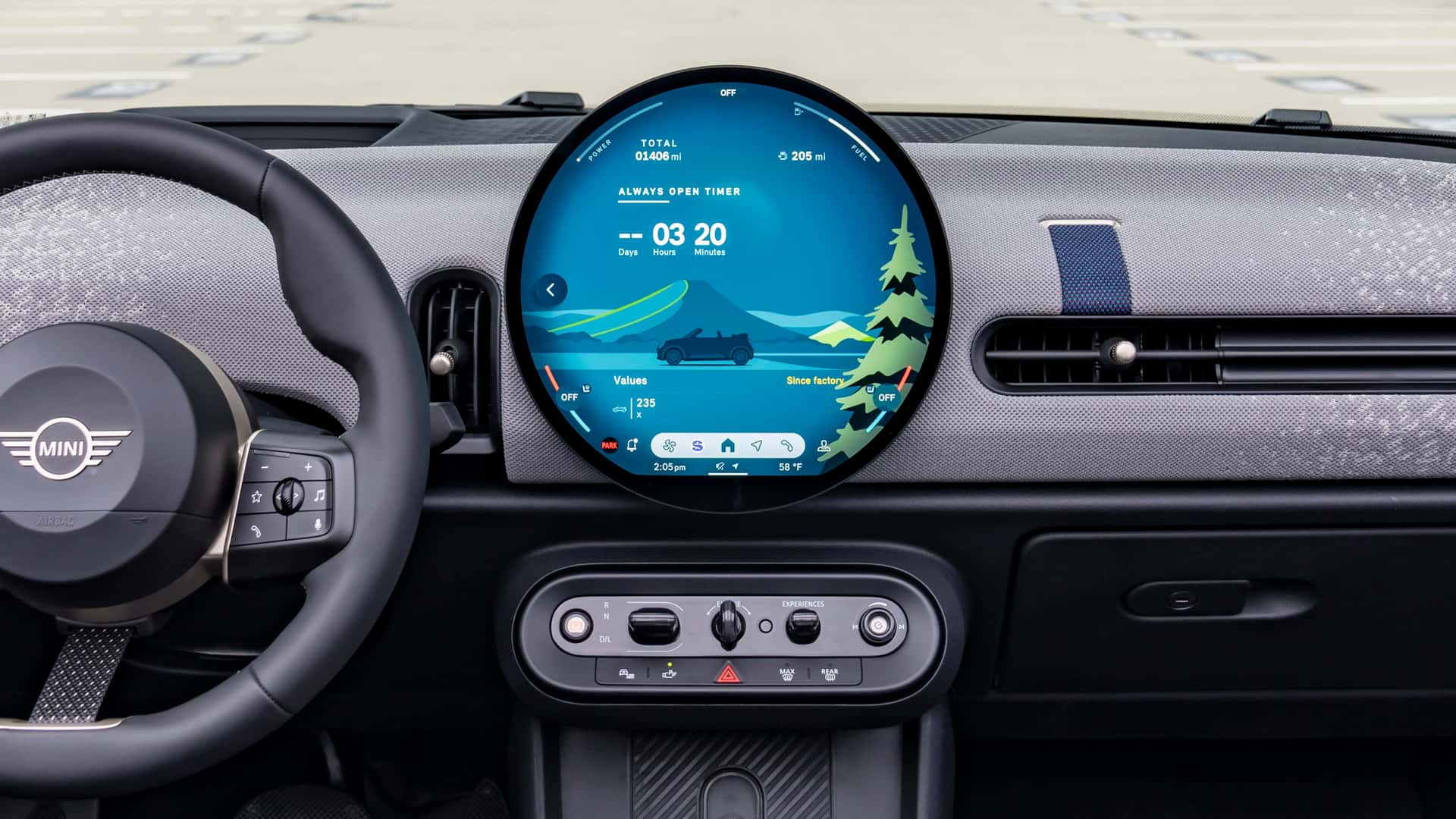
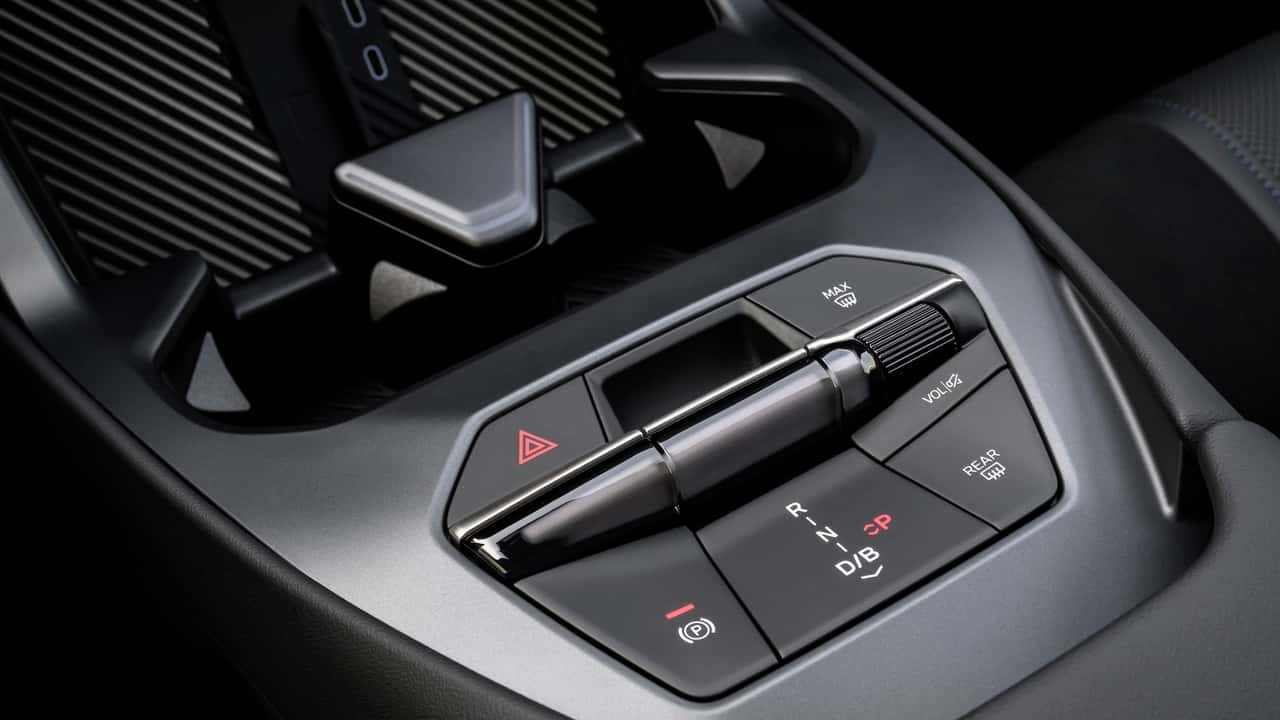
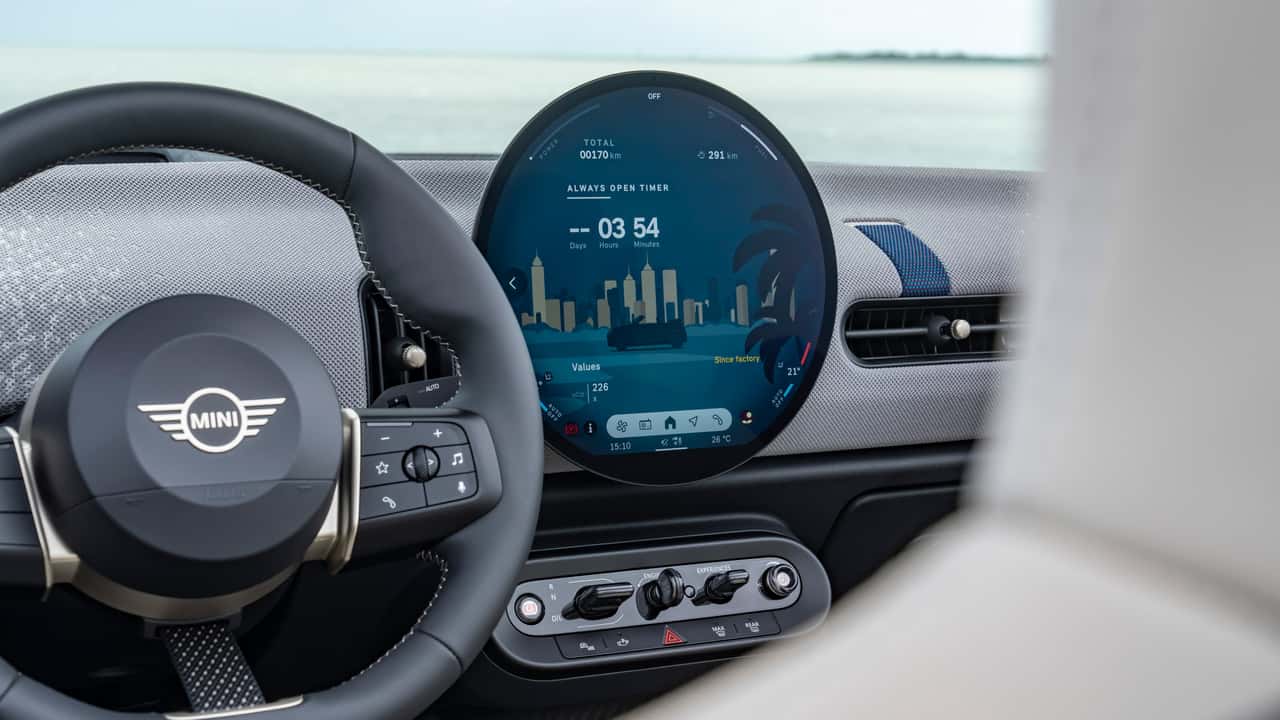
Mini, a brand under the BMW Group, is following a similar strategy. According to Holger Hampf, the head of design, the company plans to keep tactile controls alongside its signature rounded display. This decision highlights Mini’s commitment to providing a user-friendly experience that caters to both tech enthusiasts and those who prefer a more traditional driving setup.
By combining advanced technology with familiar controls, Mini aims to appeal to a wide range of customers. The brand’s approach serves as a reminder that while innovation is important, it should not come at the expense of practicality and ease of use.
I recently spoke with Mini’s newest head of design, Holger Hampf, who assumed the role in 2024. Echoing the sentiment of the larger BMW Group, Hampf believes that screens and tactile controls can live together in perfect harmony.
"I think it's a general trend that some customers are asking to bring physical buttons back," Hampf told Motor1. "For Mini, I believe it's a very good thing, because we are looking for that mix of digital interface and physical affordances."
"It’s of the utmost importance to find a good balance between digitality and an analogue experience," Hampf continued. "If you go too digital, you lose the connection or the character that the brand is known for… we always need to retain that analog quality that a Mini is known for."
'It’s of the utmost importance to find a good balance between digitality and an analogue experience.'
Central to the identity of Mini’s interior is the signature round touchscreen display. Introduced in 2023, the circular OLED measures 9.4 inches in diameter and comes with a handful of quirky features. Having used it previously, I can say that it’s a pretty nifty setup.
Thankfully, that screen isn’t going anywhere. Hampf says that the company plans to design around its rounded central display, and he’s even thinking of ways to improve on it in the future.
"Mini has enough touch interface, if you ask me," Hampf said. "That round display is everything we need. I would like to actually celebrate it even more in the future because it's so unique… The display size is perfect, refining the digital interface and then pairing it with physical interaction is perfect for Mini."
Motor1's Take: It’s great to see that more companies are planning to keep tactile controls in their vehicle. Even with a large touchscreen display, Mini believes that buttons and knobs are crucial to its identity.
- Kia Refuses To Kill Buttons: 'There Are Certain Functions You Need'
- Volvo's New Font Is Designed To Make Screens Safer. We Have a Better Idea
The Future of Automotive Design
As the automotive industry continues to evolve, the balance between touchscreens and tactile controls will remain a key consideration. Manufacturers must navigate the fine line between offering cutting-edge technology and ensuring that drivers can easily interact with their vehicles.
Ultimately, the goal is to create an environment where technology enhances the driving experience rather than complicates it. By listening to customer feedback and adapting their designs accordingly, automakers can better meet the needs of today’s drivers while preparing for the future.
