Musk and Bezos Race China to the Moon in Space Billionaire Showdown
The New Space Race: Musk, Bezos, and the Lunar Ambitions
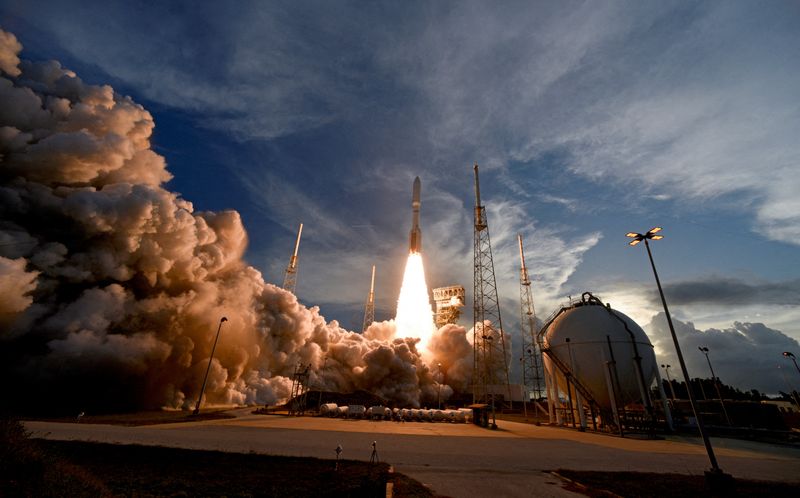
The space race between U.S. billionaires is intensifying, with Elon Musk's SpaceX and Jeff Bezos' Blue Origin both setting their sights on the moon. This competition is not just about exploration; it's a strategic move to establish dominance in the next frontier of space technology. Both companies aim to return humans to the moon before China's planned mission in 2030.
Musk’s Shift Toward the Moon
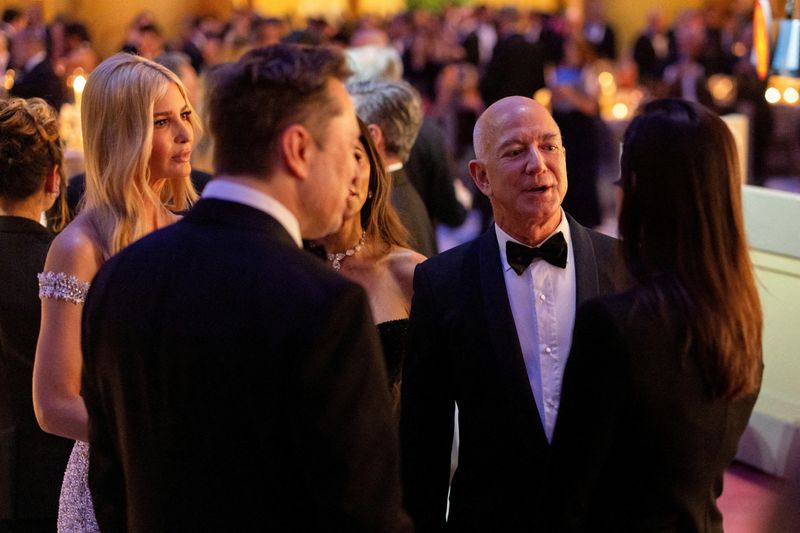
Elon Musk has recently shifted his focus from Mars colonization to the moon. In recent podcast interviews and company meetings, he has announced plans to build "Moonbase Alpha" and deploy a satellite-slinging launch device on the lunar surface. This lunar base would support his vision for an AI-computing network consisting of up to one million satellites.
Musk's interest in the moon has evolved over time. Earlier this year, he referred to the moon as a "distraction" from his Mars colonization goals. However, with the upcoming IPO of SpaceX, which could value the company at over $1 trillion, Musk is now emphasizing the moon as a critical step in maintaining SpaceX's leadership in space exploration.
Blue Origin's Lunar Focus
Jeff Bezos' space company, Blue Origin, has also increased its focus on the moon. Recently, the company shut down its suborbital space tourism business to redirect resources into its Blue Moon lunar lander program. This shift is part of a broader strategy to prepare for an uncrewed mission to the moon this year.
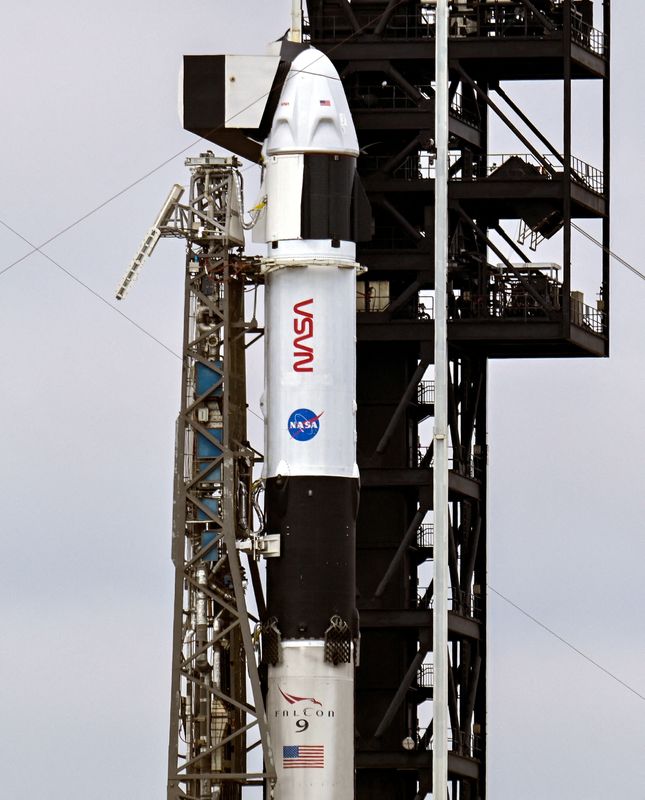
Blue Origin's uncrewed mission to the moon is a precursor to astronaut landings, aligning with NASA's Artemis program. This program relies heavily on SpaceX's Starship for future missions. NASA's goal is to use these lunar landers for a series of astronaut moon landings, starting with SpaceX's Starship.
The Lunar Race Against China
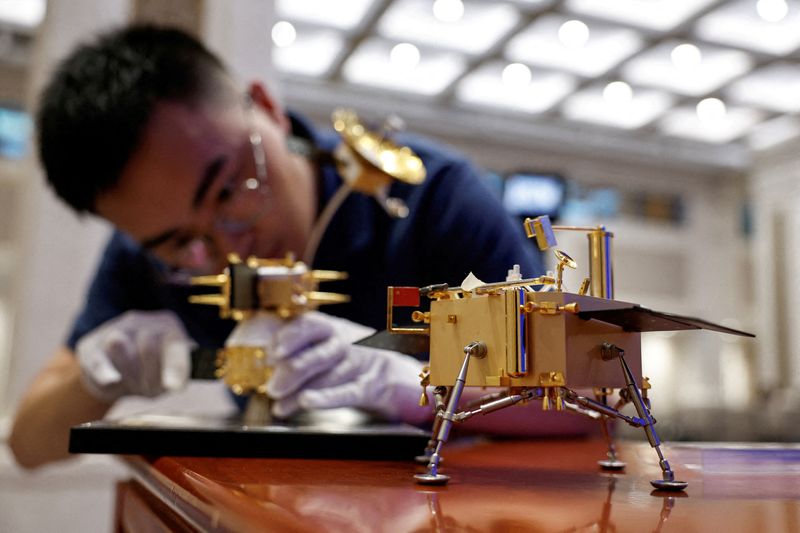
NASA sees a return to the moon as essential preparation for future missions to Mars. The agency is pushing companies to accelerate their lunar lander development to stay ahead of China, which has set its sights on a 2030 moon astronaut landing.
Musk has taken this challenge seriously, aiming to build a “self-growing city” on the moon and launch AI satellites from the lunar surface. This initiative is part of his broader plan to expand AI computing into space, following SpaceX's recent acquisition of Musk's xAI.
Industry Impact and Investment
The competition between SpaceX and Blue Origin is having a ripple effect across the U.S. lunar industry. According to Andrew Chanin, CEO at ProcureAM, a space-specialized investment firm, if SpaceX can establish itself as a key player on the moon, it could influence how the lunar infrastructure is used.
This shift in focus has also caught the attention of investors. Justin Cyrus, CEO of Lunar Outpost, noted that many investors have reached out to him this week, indicating a growing interest in the lunar market.
Challenges and Future Prospects
Despite the excitement, there are significant challenges ahead. SpaceX's Starship rocket has not yet deployed anything into orbit, but it has launched 11 times since 2023. The rocket's upper stage, which acts as the moon lander, faces a 2028 crewed moon landing date that many in the industry consider ambitious.
Kathy Lueders, who previously led NASA's human space operations unit, believes the urgency in the SpaceX-Blue Origin rivalry helps NASA compete with China. She notes that Musk's focus on the moon has made SpaceX more laser-focused on returning to the moon.
The Musk-Bezos competition is reshaping the landscape of the U.S. lunar industry, driving innovation and investment. As both companies push forward with their lunar ambitions, the race for the moon continues to heat up.
