NIMASA Considers Deep Blue Expansion
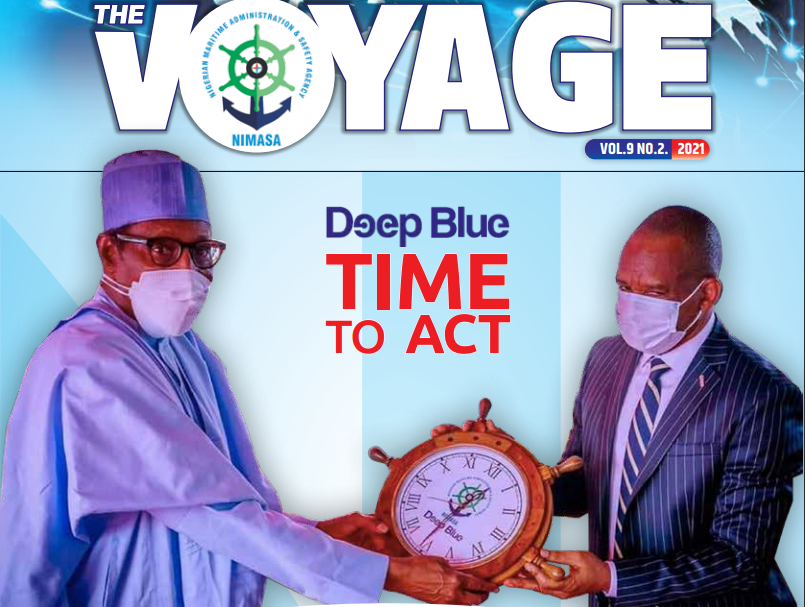
NIMASA Explores Expansion of Deep Blue Project for Greater Maritime Security
The Nigerian Maritime Administration and Safety Agency (NIMASA) is exploring the expansion of its successful maritime security initiative, the Deep Blue project. This initiative has already made a significant impact across the Gulf of Guinea and has garnered international attention. The agency is now looking to ensure its long-term sustainability and increase its influence in the region.
During a recent visit to the Naval Headquarters, the Director General of NIMASA, Dr Dayo Mobereola, met with the Chief of Naval Staff, Vice Admiral Idi Abass. The meeting aimed to strengthen the partnership between NIMASA and the Nigerian Navy while discussing ways to enhance the Deep Blue Project's effectiveness.
Dr Mobereola emphasized the importance of maintaining and deepening the collaboration between the two organizations. He stated:
“It is important that we continue our partnership and strengthen our relationship. Our purpose here is to congratulate you, and to discuss the benefits of the Deep Blue Project; how to sustain it, expand it, and increase its impact on the Gulf of Guinea.”
He also highlighted the support the project has received from key stakeholders, including the President, the Minister of Marine and Blue Economy, and the Nigerian Navy. This backing has enabled NIMASA to work towards presenting a proposal outlining the necessary improvements for the project.
Global Recognition and Regional Influence
The Deep Blue Project has not only made an impact locally but has also gained global recognition. The International Maritime Organisation (IMO) has commended the initiative, acknowledging its success in enhancing maritime security in Nigeria. Dr Mobereola noted:
“The Deep Blue Project is vital and countries around Africa and some other parts of the world are coming to copy our model. The IMO is asking how a civilian organisation was able to achieve this feat. It is therefore important that we continue to collaborate and do even better for greater sustainability.”
This recognition underscores the project’s significance and highlights its potential as a model for other nations facing similar maritime challenges.
Collaboration Between NIMASA and the Nigerian Navy
In response to NIMASA’s efforts, Vice Admiral Idi Abass welcomed the Director General and his delegation. He praised NIMASA for its contributions to the maritime sector and its ongoing support for the Nigerian Navy. He said:
“Part of my command’s objective is to work in synergy with other agencies to achieve our goal as a country. We complement each other. We have no option rather than collaborate and synergise.”
Abass also raised concerns about the Memorandum of Understanding (MoU) between NIMASA and the Nigerian Navy, which has been in place since 2007. He suggested that the agreement should be reviewed to ensure it remains relevant and effective in addressing current needs.
Additionally, he requested that the Nigerian Navy be involved in tasks such as vessel repair, hydrographic surveys, and charting. He emphasized the Navy’s capabilities in handling these responsibilities and stressed the importance of leveraging its expertise.
Key Areas of Focus for Future Collaboration
As NIMASA looks to expand the Deep Blue Project, several areas of focus have emerged:
- Strengthening partnerships with the Nigerian Navy and other relevant agencies to ensure coordinated efforts in maritime security.
- Revisiting existing agreements, such as the MoU, to align them with current operational needs and goals.
- Enhancing capacity through collaboration on technical tasks like vessel maintenance, hydrographic surveys, and charting.
- Promoting regional and international cooperation by sharing the Deep Blue model with other countries facing similar maritime challenges.
The future of the Deep Blue Project looks promising, with NIMASA and the Nigerian Navy committed to working together to ensure its continued success. As the initiative evolves, it is expected to play an even greater role in securing Nigeria’s waters and setting a benchmark for maritime security across the continent.
