NIMASA reaffirms dedication to shipbuilding and yard growth
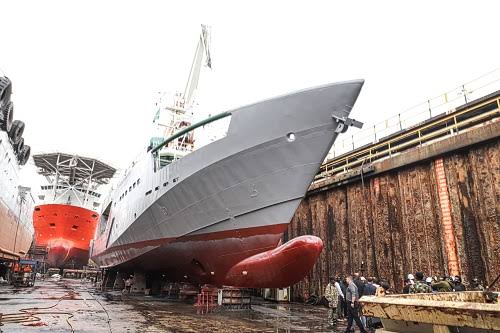
Strengthening Nigeria’s Shipbuilding Sector for a Sustainable Blue Economy
Nigeria’s maritime sector is undergoing a transformation, with the Nigerian Maritime Administration and Safety Agency (NIMASA) playing a pivotal role in driving growth and development. At the heart of this effort is the agency’s commitment to strengthening shipbuilding and shipyard development, which are seen as key components of the country’s blue economy strategy. This initiative also aims to address issues like capital flight and promote local economic resilience.
The focus on shipbuilding was highlighted during a stakeholders’ breakfast meeting organized by NIMASA. The event, held at the Nigerian Maritime Resource Development Centre (NMRDC) in Kirikiri, Lagos, had the theme “Dissecting the Issues, Challenges, and Prospects in the Shipbuilding Segment – Discussing Funding Models, Incentives, and Policy Support for Shipyards Growth.” It brought together industry players, policymakers, and experts to discuss ways to improve the shipbuilding landscape in Nigeria.
Strategic Importance of Shipbuilding
Speaking at the event, Engr. Fatai Taiye Adeyemi, the Executive Director, Operations, NIMASA, emphasized that shipbuilding is a complex and capital-intensive sector. He noted that it requires deliberate policy interventions and financial support to achieve sustainable growth. Although Adeyemi could not attend in person, his message was delivered by Dr. Oma Offodile, Director, Marine Environment Management.
Adeyemi pointed out that the shipbuilding industry is crucial for Nigeria’s maritime and blue economy ambitions. He described it as a highly competitive sector that demands consistent policies, targeted incentives, and adequate funding models to ensure long-term success.
Global Trends and Domestic Impacts
Global developments such as maritime decarbonisation, fuel transitions, supply chain disruptions, and geopolitical challenges have significantly impacted the shipbuilding sector. These changes have increased the need for strong domestic capacity to support shipping, offshore energy, defense, and other critical maritime assets. Adeyemi stressed that shipyards play a vital role in maritime decarbonisation, as they are responsible for constructing energy-efficient vessels that meet international standards.
He also highlighted the importance of maintaining Nigeria’s status in the International Maritime Organisation (IMO). Specifically, he mentioned the significance of sustaining the country’s recent return to Category C of the IMO Council, which reflects its growing influence in global maritime governance.
Key Challenges Facing the Sector
Despite its strategic importance, the shipbuilding sector in Nigeria faces several challenges. These include:
- Restricted access to capital due to high capital expenditure and cyclical revenues.
- A shortage of skilled manpower.
- Underinvestment in automation and green technologies.
- Insufficient scale to compete globally.
- Policy inconsistency and procurement uncertainty.
Addressing these challenges will require coordinated efforts from all stakeholders, including government agencies, private sector players, and international partners.
Industry Perspectives and Collaborative Efforts
During the event, Engr. Greg Ogbeifun, Managing Director of Starz Marine Limited, commended the Federal Government for establishing the Ministry of Marine and Blue Economy. He described this as a strategic step toward unlocking the full potential of the maritime sector. Ogbeifun called for continued government support to enhance the competitiveness of shipyard operators and attract investment.
Shipyard owners in Nigeria also expressed their willingness to collaborate with NIMASA to curb capital flight and build local capacity within the sector. They emphasized the need for targeted support, skills development, and policy stability to enable shipyards to compete effectively.
Moving Forward: Coordinated Strategies for Growth
Participants at the meeting agreed on the need for coordinated funding mechanisms, incentives, and policy consistency to address near, medium, and long-term challenges in the sector. These strategies are essential for ensuring the sustainability and growth of Nigeria’s shipbuilding industry.
NIMASA’s renewed focus on shipyard development aligns with the provisions of the NIMASA Act, 2007. This legislation mandates the agency to promote maritime safety, shipping development, and capacity building within Nigeria’s maritime industry. Supporting shipyard operations, indigenous shipbuilding capacity, and associated infrastructure remains central to its statutory responsibility.
Conclusion
With the right policies, funding, and collaboration, Nigeria has the potential to develop a robust shipbuilding sector that contributes to the country’s economic growth and environmental sustainability. As the blue economy continues to gain momentum, the role of shipyards in shaping Nigeria’s maritime future cannot be overstated.
