Oil Prices Drop as Global Stocks Rise on Hormuz Reopening Hopes
Global Markets React to Potential Oil Deal
Oil prices are experiencing a significant drop, while global stock markets are seeing substantial gains. This surge in market activity is fueled by hopes that the United States and Iran may be close to reaching an agreement that would allow ships to transport crude oil from the Persian Gulf once again.
The price of a barrel of Brent crude oil, which serves as the international benchmark, fell by 7.3% to $101.90, down from over $115 earlier in the week. This decline comes after President Donald Trump mentioned that the Strait of Hormuz could be "OPEN TO ALL" if Iran accepts a reported agreement, although he did not provide specific details about it.
The Strait of Hormuz has been a major source of concern for the global economy because the ongoing conflict with Iran has prevented oil tankers from using it to exit the Persian Gulf. If this strait reopens, it could facilitate the free flow of oil and reduce upward pressure on inflation, which has driven up prices across various products worldwide.
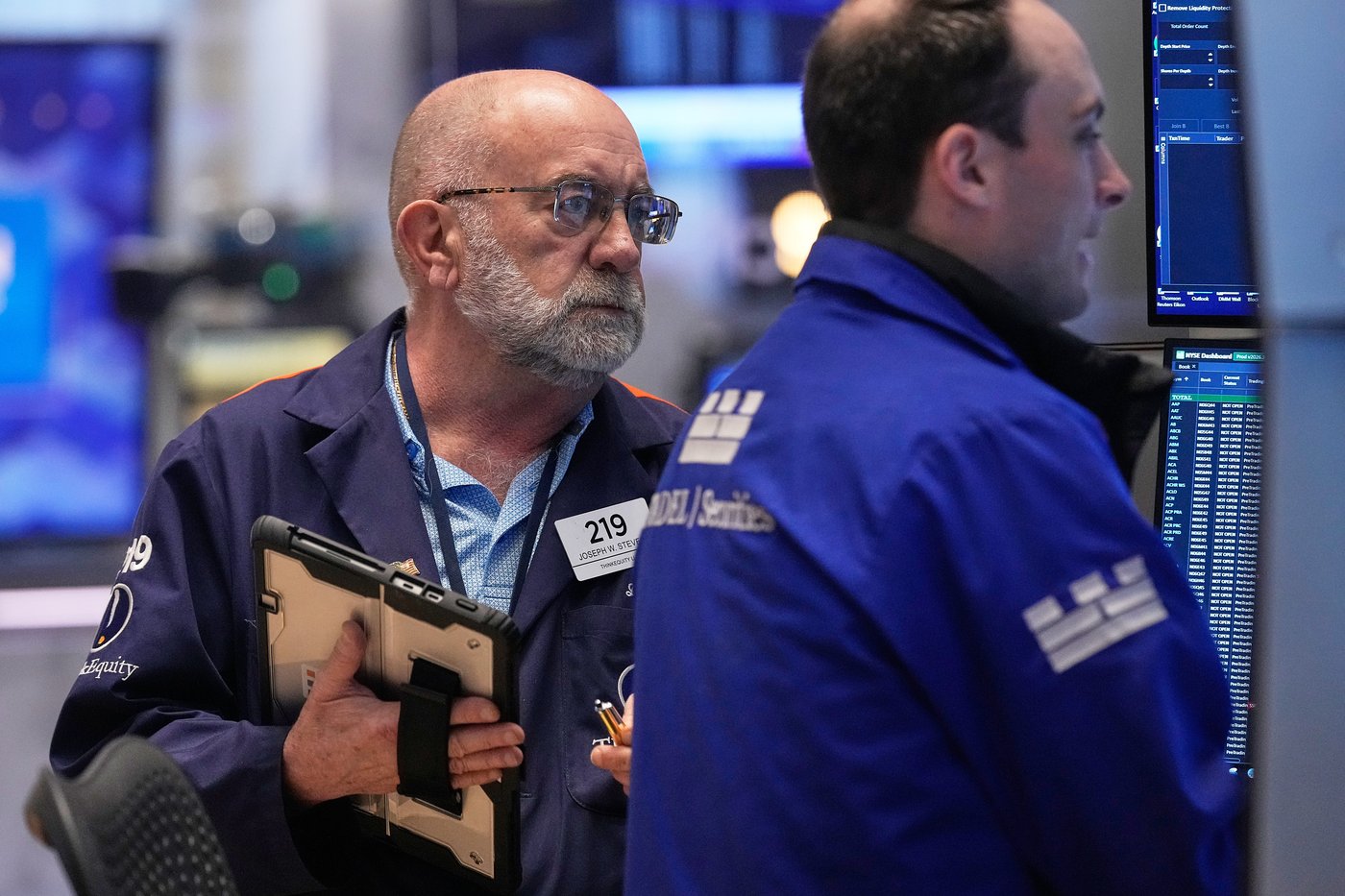
On Wall Street, the S&P 500 saw a rise of 1.1% and was on track for another record high. The Dow Jones Industrial Average increased by 520 points, or 1.1%, as of 12:36 p.m. Eastern time, while the Nasdaq composite climbed 1.5%.
Stock markets outside the United States also experienced significant gains, with indexes rising by 6.5% in Seoul, 2.1% in London, and 2.9% in Paris.
Despite previous instances where hopes for an end to the conflict with Iran were dashed, investors have latched onto potential positive signals. Trump stated on Tuesday that he was pausing his efforts to forcibly reopen the Strait of Hormuz to commercial ships. Additionally, China's foreign minister called for a comprehensive ceasefire following a meeting with Iran's foreign minister, which could be influential given the strong economic and political ties between Iran and China.
In the meantime, major U.S. companies continue to report stronger profits for the start of 2026 than analysts anticipated. This performance is helping to support the stock market despite the uncertainties surrounding the war.
Tech Companies Lead the Market
AMD led the market with a surge of 16.3% after joining the list of big-name companies that exceeded expectations for both profit and revenue. CEO Lisa Su highlighted that the chip company benefited from continued growth driven by artificial-intelligence technology, which demands significant computing power from data centers.
AMD also projected that its revenue growth could accelerate in the current quarter to approximately 46% compared to the same period last year.
Another company involved in the AI industry, Super Micro Computer, saw a rally of 15.4% after delivering better-than-expected earnings. Nvidia, known as the poster child of the AI boom, rose 4.5% and was the strongest force lifting the S&P 500 due to its large size.
Strong Earnings Reports Boost Investor Confidence
CVS Health increased by 7.2% after reporting better results for the first quarter than analysts expected and raising its financial forecasts for the full year. The Walt Disney Co. gained 6.7% after stating that its "Zootopia 2" movie helped attract customers to its streaming business, parks, and cruise ships, resulting in a better-than-expected profit.
Uber Technologies saw a rise of 8% after providing a bookings forecast for the spring that exceeded analysts' expectations.
Fuel Companies Benefit from Lower Oil Prices
Outside of earnings reports, companies with significant fuel costs saw gains as hopes for continued easing of oil prices grew. United Airlines climbed by 5%, Carnival by 5.7%, and Royal Caribbean by 7%.
Bond Market Moves as Inflation Concerns Ease
In the bond market, Treasury yields decreased as falling oil prices eased inflationary pressures. The yield on the 10-year Treasury dropped to 4.35% from 4.43% late Tuesday. This movement is significant for the bond market.
Lower yields can lead to reduced rates for mortgages and other loans, potentially boosting the economy. They also tend to push up prices for stocks and other investments. However, the 10-year yield remains well above its 3.97% level from just before the conflict began.
International Markets See Record Gains
In international stock markets, South Korea’s Kospi index surpassed the 7,000 level for the first time, reaching a record high due to significant gains for AI-related companies such as Samsung Electronics and SK Hynix.
