OK! Exposes Royal Family's Big Risk if Future King William Won't Reconcile with Harry
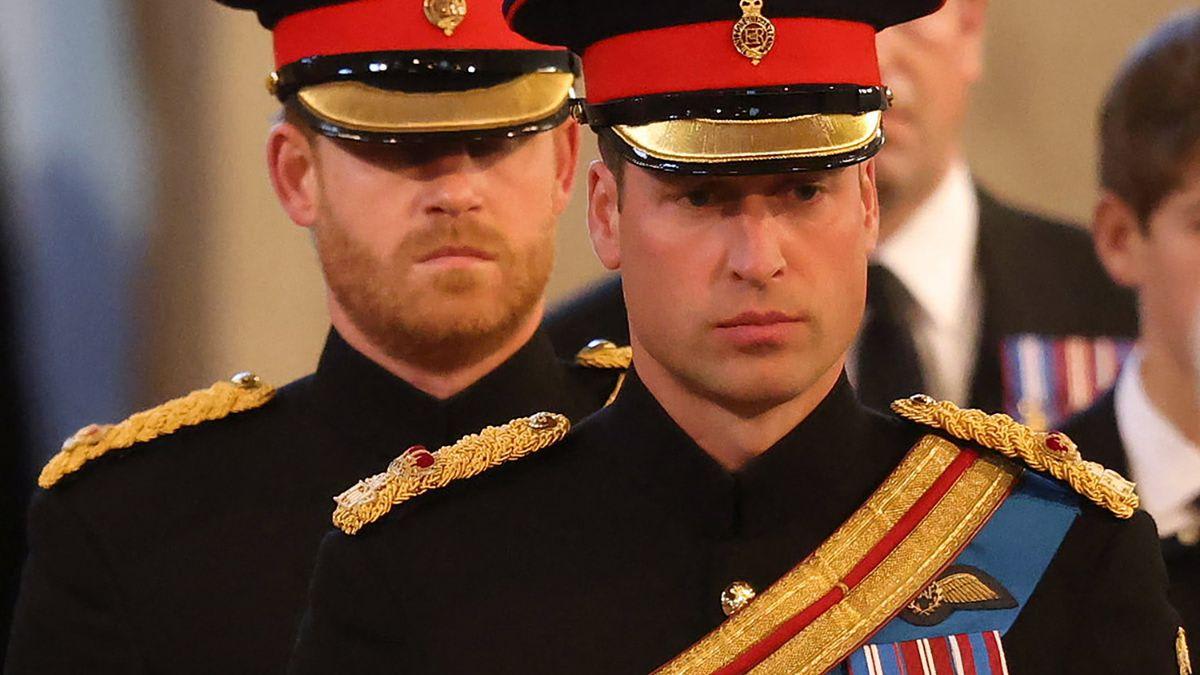
Prince William, as the future king of Britain, finds himself at a pivotal moment in his life and career. His advisors have warned that maintaining the current distance from his younger brother, Prince Harry, could lead to consequences that extend beyond mere family disagreements.
OK! has revealed that the Prince of Wales, now 43, is seen as a symbol of stability during a challenging time for the royal family. He is facing increasing pressure from his advisers who believe that reconciling with Prince Harry, 41, is not just a personal matter but also a constitutional necessity.
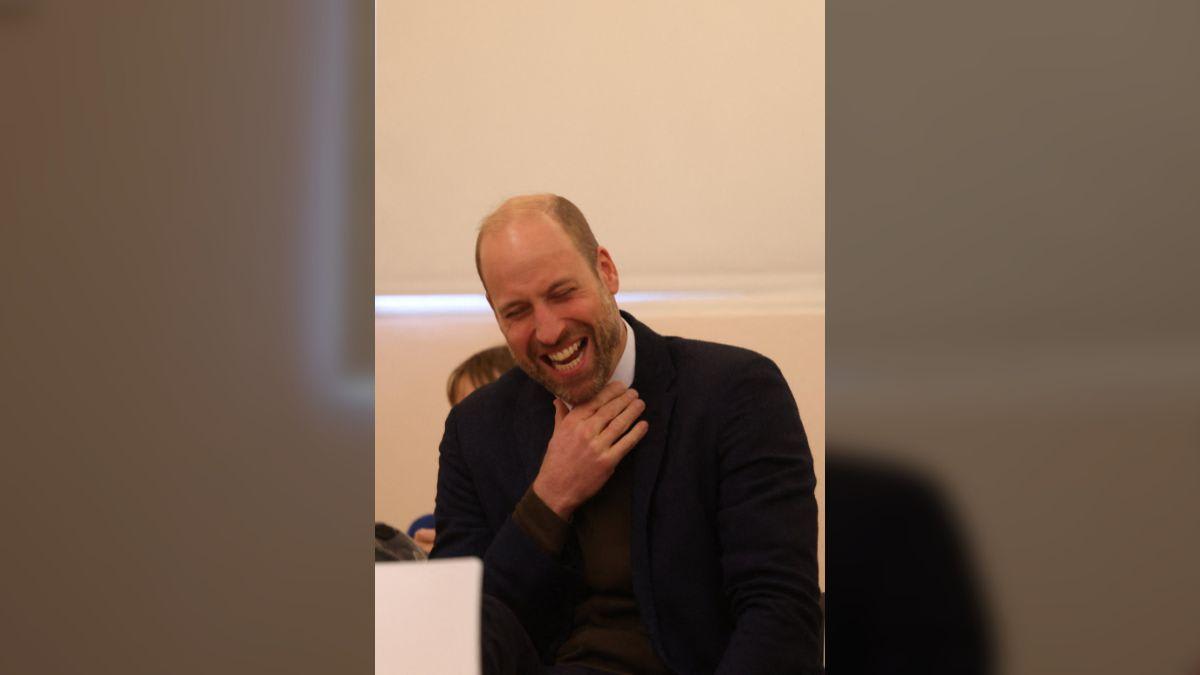
The tension between William and the Duke of Sussex began when Harry stepped back from his royal duties in 2020. This was followed by years of public disputes and criticisms. Harry and his wife, Meghan Markle, 44, moved to California after leaving their roles as working royals. They later gave a high-profile interview to Oprah Winfrey and published a memoir titled Spare, which detailed their grievances against the family they had left behind.
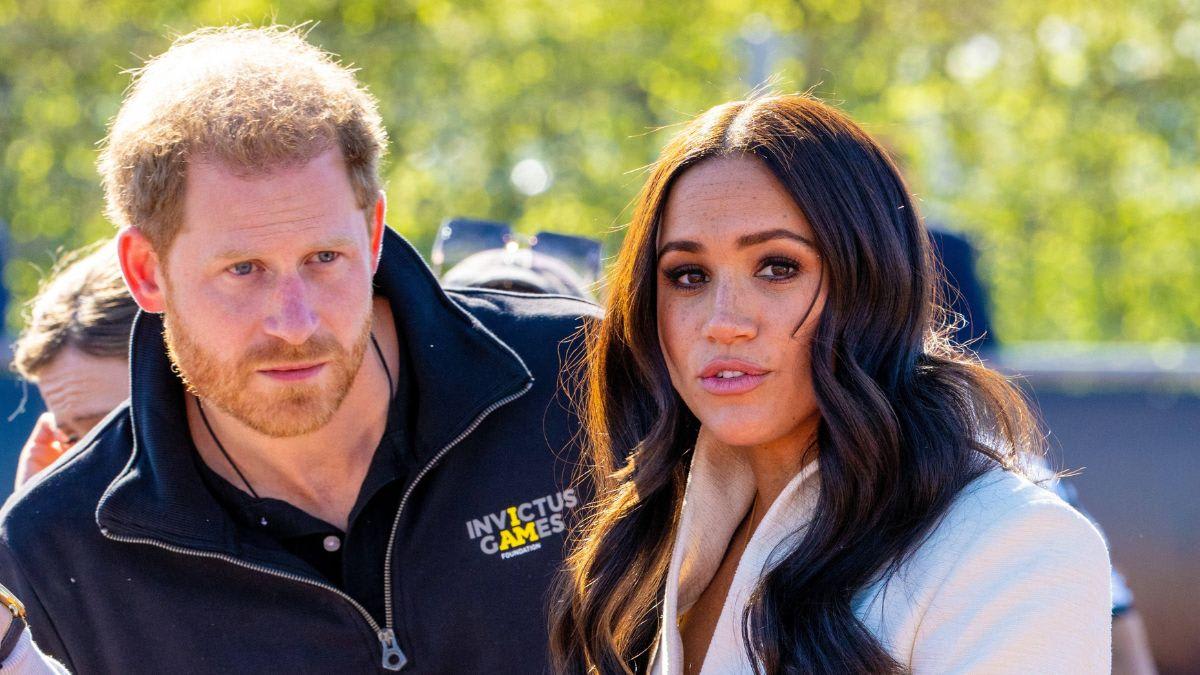
These revelations, along with ongoing media attention, have led to a more hardened stance within Kensington Palace towards Harry. At this critical time, the royal family's priorities have shifted due to health issues. Both Kate Middleton and King Charles have been battling cancer, with both being diagnosed in 2024. This situation has created an atmosphere where there is little room for further disruption.
A palace source mentioned that the general sentiment within the household is pragmatic rather than emotional regarding Harry's desire to reconnect with The Firm. "There is a sense of emotional and institutional fatigue," they said. "From William's perspective, revisiting past conflicts seems less like resolution and more like an unnecessary drain at a time when focus and stability are crucial."
However, some advisors believe that this approach carries risks. A senior courtier noted, "William's strength as a future monarch is not only about work ethic or discipline, but what he represents. If he is seen as unable to bridge the most personal of divides, that perception will have significant implications beyond the palace walls."
Another source added, "No one expects history to be rewritten. The value of reconciliation would be in showing steadiness and self-assurance—proof that the future king is secure enough to absorb past conflict without being defined by it. It is a real risk to the royal brand if he cannot publicly show dignity and forgiveness."
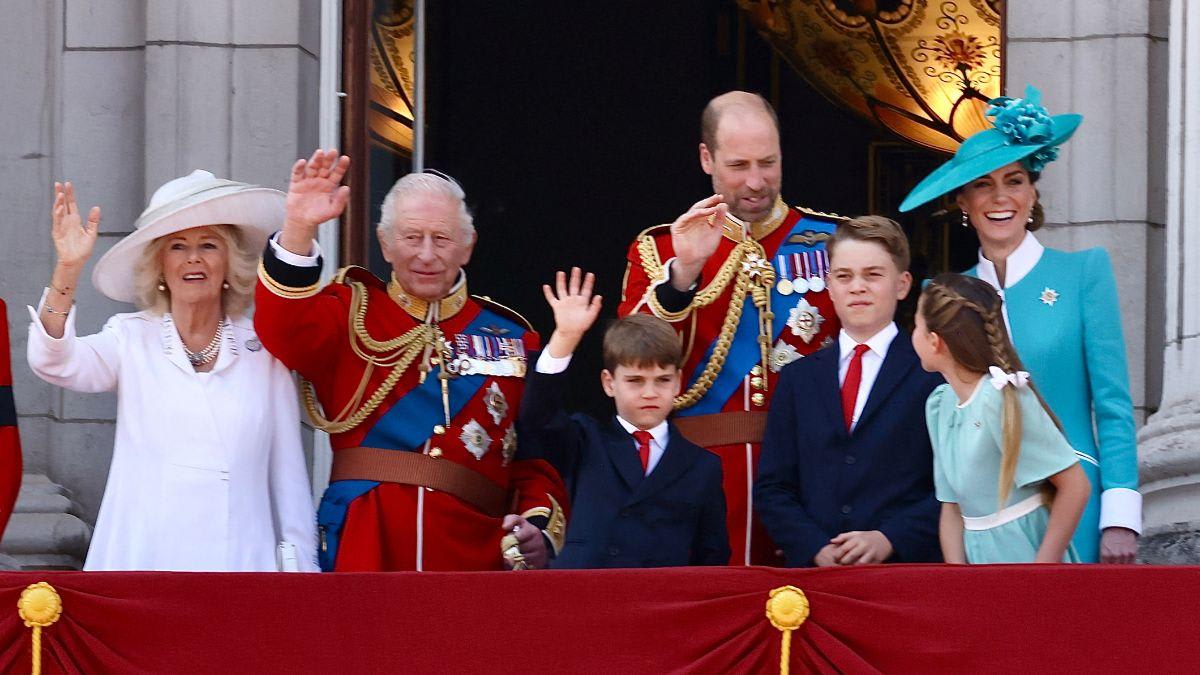
Harry, on the other hand, has softened his public stance. In interviews last year, the duke acknowledged that forgiveness may never come from certain parts of his family, yet he expressed a willingness to live with them. However, William has shown little inclination to change his position. Public opinion also suggests that the stakes are high. Support for the monarchy has declined over the past four decades, with younger generations becoming increasingly disengaged or skeptical.
Some republicans view Harry as a symbol of breaking away from tradition, while William is seen as its enforcer. "A rupture that hardens into permanence risks reinforcing the image of a monarchy stuck in its own rigidity, unable to evolve or resolve even its most intimate conflicts," said a senior palace aide.
The late Queen Elizabeth II was often held up as a model of unity, a sovereign who endured private pain to maintain continuity. Advisers say William will inevitably be compared to her legacy. "No one is suggesting unanimity or absolution," one added. "But simply reaching out to Harry would communicate confidence and control—a demonstration that disagreement does not threaten William's growing authority."
As the Prince of Wales prepares for a reign marked by uncertainty and generational change, the question remains whether he can distinguish personal grievances from public duty. For those advocating reconciliation, the message is clear: "William doesn't have to agree with Harry's view of events to take the first step. A willingness to reach out, however, would be seen as assurance and authority, not a concession."
