One Step Closer to Understanding Earth's Unique Life
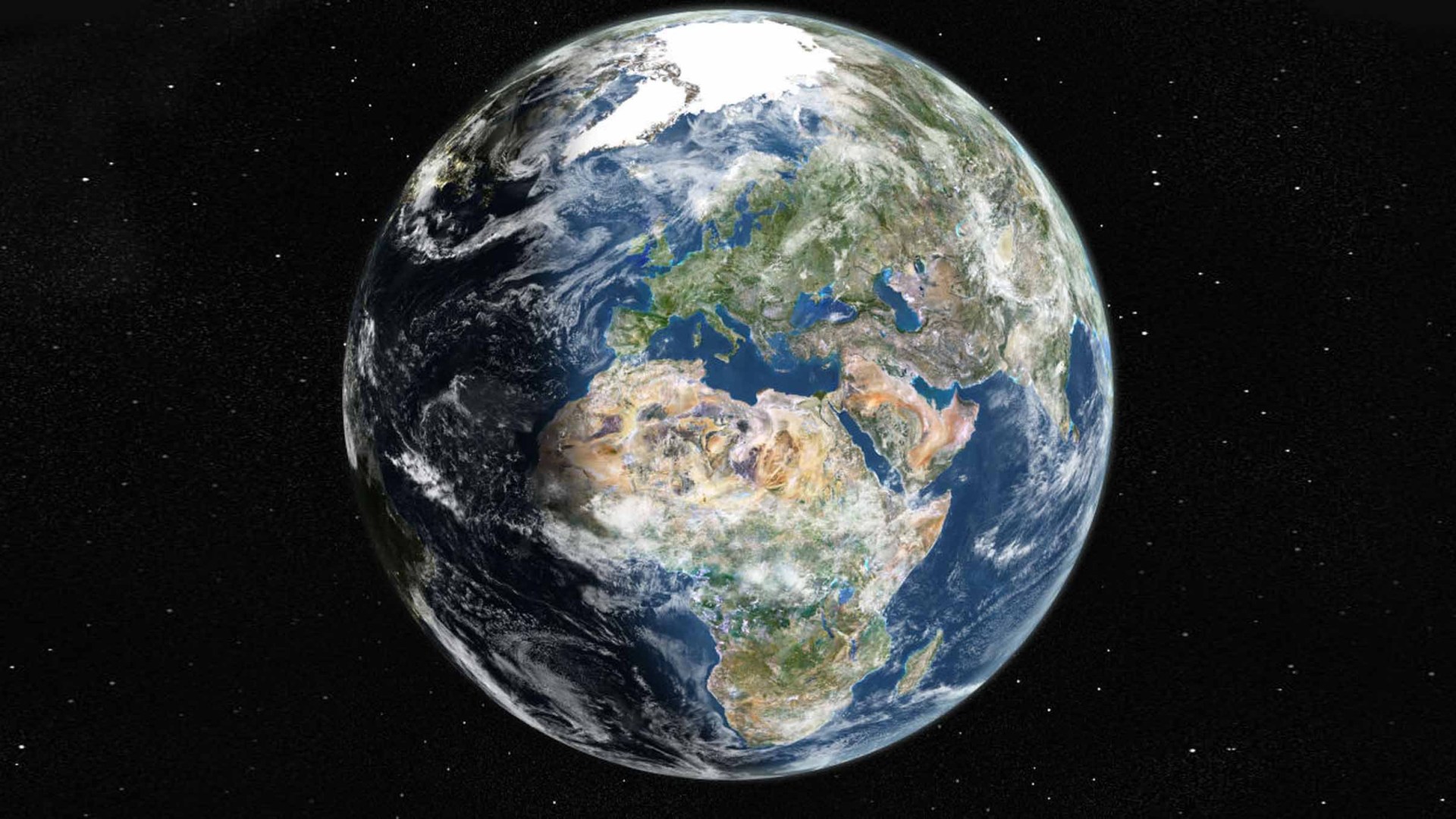
Floating above your head are about 300 million exoplanets – planets outside our solar system – that could be habitable. However, it's not as simple as just having oxygen and water for life to thrive. Scientists have found that there are additional factors that need to be present for life to even have a chance of forming.
A recent study has revealed that two other substances must be present when a planet's core is formed. For life as we know it, six chemical elements have long been considered essential: hydrogen, carbon, oxygen, sulfur, phosphorus, and nitrogen. Researchers from ETH Zurich, in a paper published in Nature Astronomy, suggest that scientists should pay more attention to the last two elements – phosphorus and nitrogen.
Phosphorus is a key ingredient in human DNA and is one of the rarest elements needed for life in the cosmos. Nitrogen, on the other hand, is necessary for creating the proteins required for cells to function.
This makes understanding how life originated a complex question. Which came first, the protein of living cells or the DNA that creates them? Craig Walton, the lead researcher at the Center for Origin and Prevalence of Life, isn't certain of the exact answer. However, he knows roughly when these elements need to be present for life to have the best chance of forming.
He explains, “During the formation of a planet’s core, there needs to be exactly the right amount of oxygen present so that phosphorus and nitrogen can remain on the surface of the planet.” This was precisely what happened when Earth was formed around 4.6 billion years ago – essentially, we won the chemical lottery.
At that time, a wobbly blob of cosmic dust and gas collapsed under its own weight. Most of the material was squeezed to create a star – the sun – while the rest began spinning around it. As this material whirled around, some began to stick and clump together, forming planets. Heavier metals, like iron, sank to form the core, while lighter materials were flattened into the mantle and crust.
However, if there's too little oxygen, phosphorus will get stuck to the heavy metals and dragged into the core, leaving no chance for it to support life. Conversely, too much oxygen means the mantle becomes packed with so much phosphorus that there's not enough room for nitrogen, causing it to float into space.
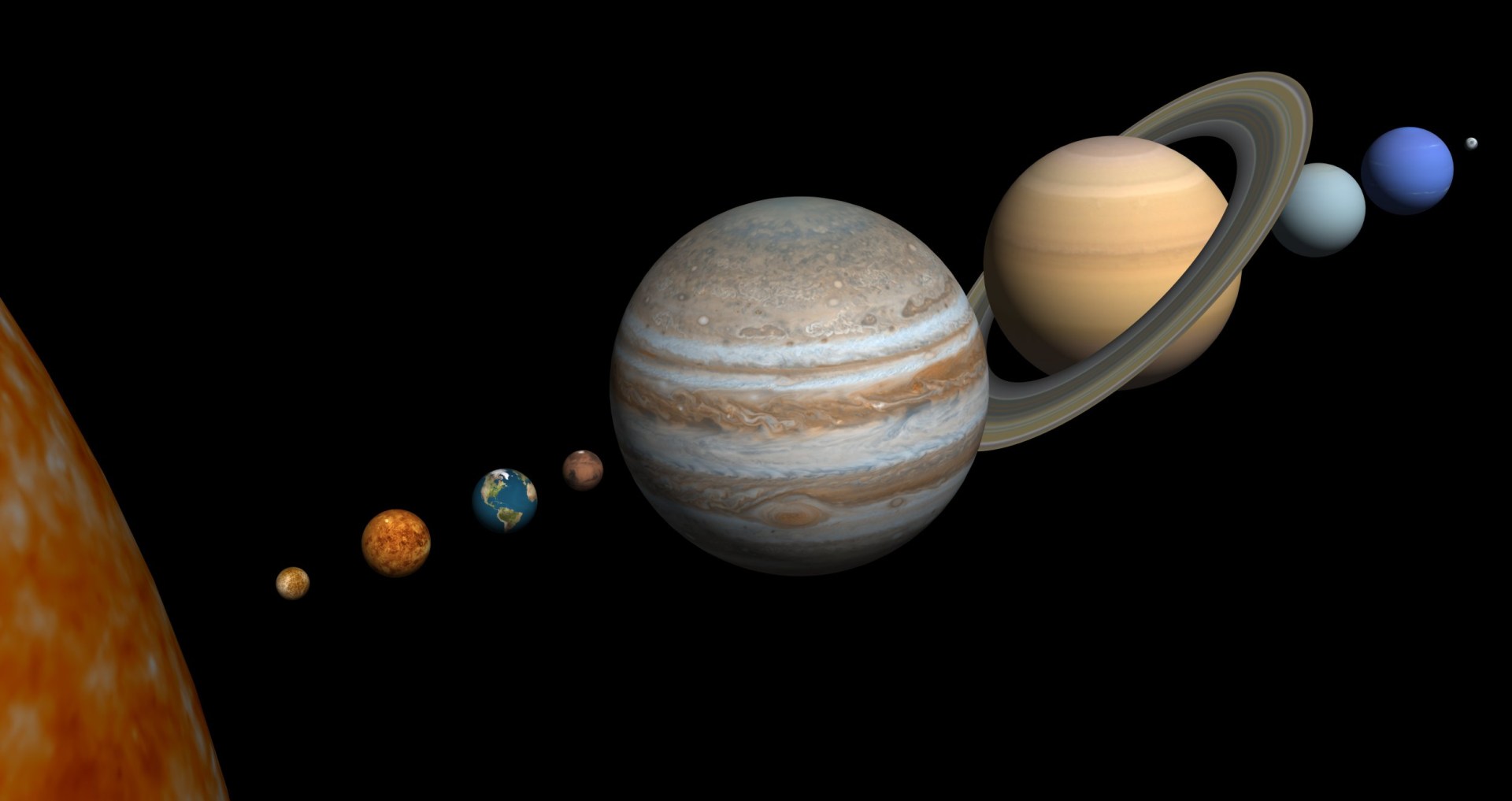
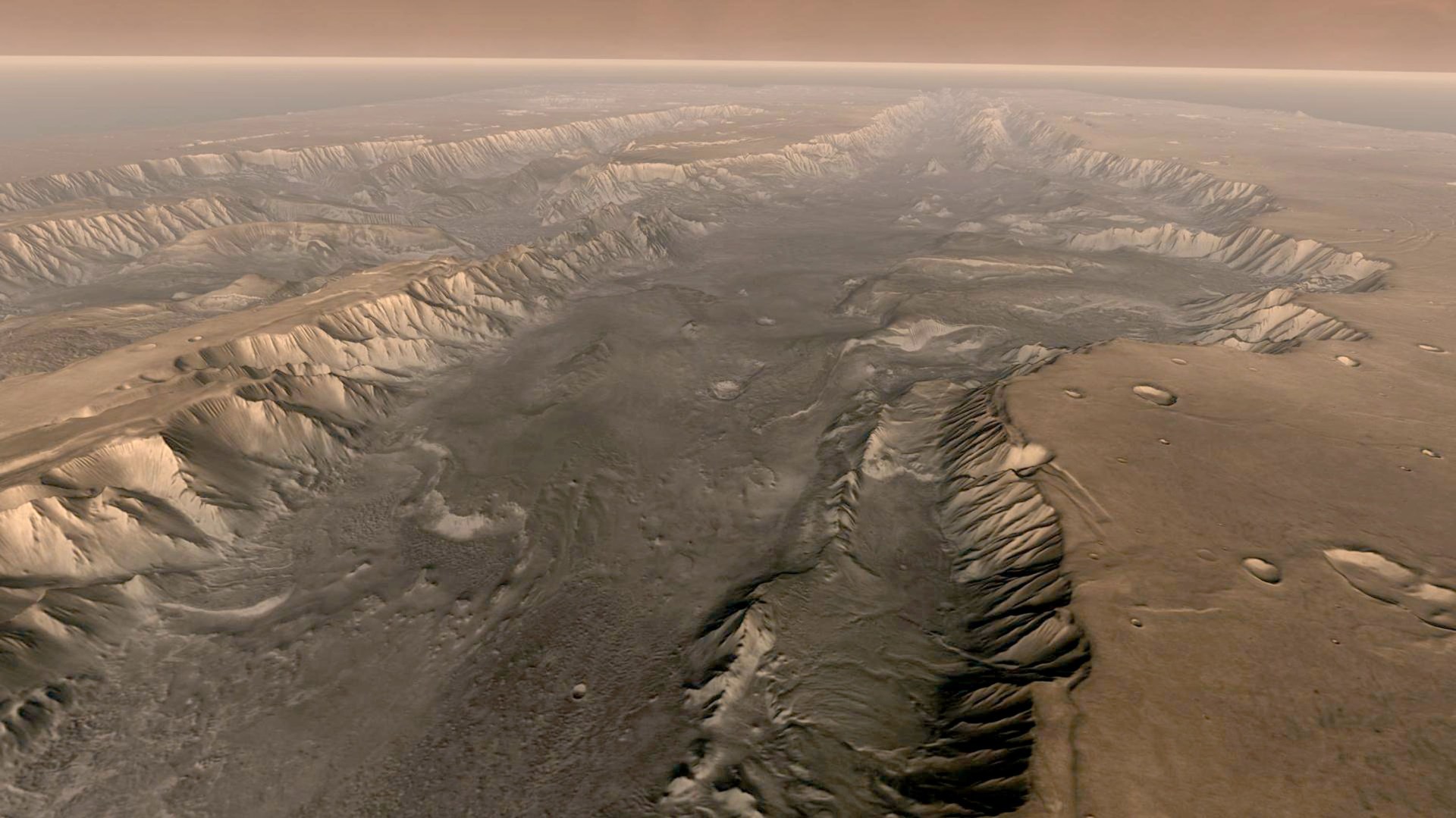
Earth was positioned just right relative to the sun to fall within the chemical equivalent of the Goldilocks zone, where all six ingredients for life can coexist. Mars, according to the researchers, was too far out of this zone to sustain enough phosphorus or nitrogen for life.
What is the Goldilocks zone?
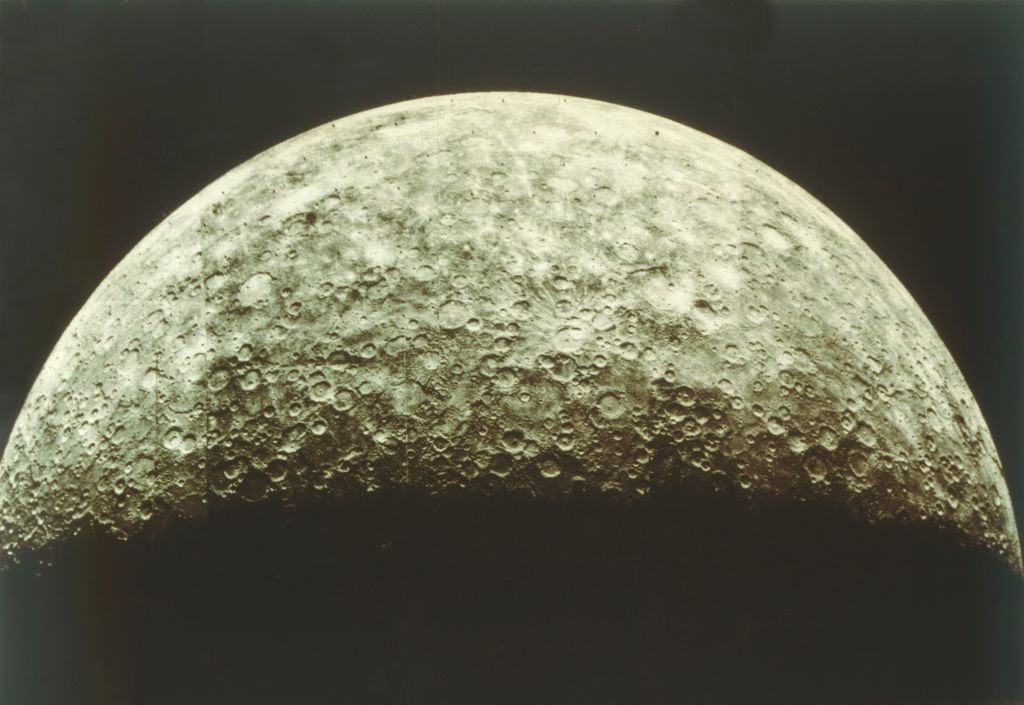
Traditionally, the Goldilocks zone refers to the narrow band around a star where a planet is warm enough to retain liquid water on its surface. Being too close to the sun results in evaporation, as seen on Mercury, while being too far away leads to an icy wasteland.
Scientists use this concept to identify potentially habitable, Earth-sized planets, known as eta-Earth. However, the new study suggests that searching for alien life could be made easier by focusing on planets within a chemical Goldilocks zone instead.
The researchers explain, “The amount of oxygen available during the formation of a planet can mean that many planets are chemically unsuitable for life from the very beginning, even if there is water present and they otherwise appear to have the right conditions for life.”
Since planets are composed of the same material as their host star, this discovery allows astronomers to narrow down their search for alien life. Walton states, “This makes searching for life on other planets a lot more specific. We should look for solar systems with stars that resemble our own sun.”
According to NASA, there are at least 100 billion stars in the Milky Way, with approximately four billion being similar to our sun.
