Red Cross Chief Warns of Civilian Suffering in Conflicts
Rising Conflicts and the Impact of Technology
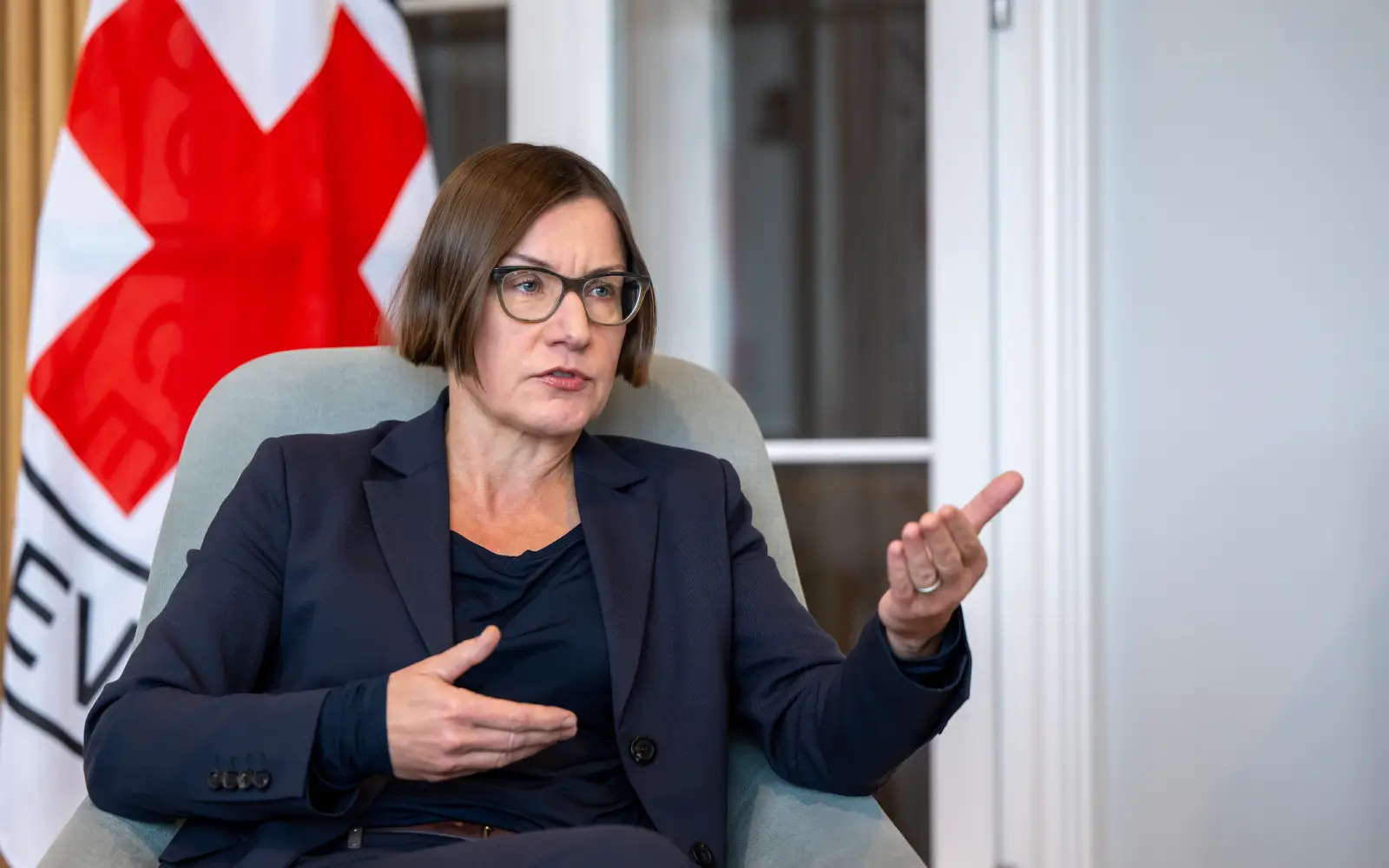
At the recent Munich Security Conference, Mirjana Spoljaric, the president of the International Committee of the Red Cross (ICRC), highlighted a growing concern regarding the increasing number and intensity of conflicts around the world. She emphasized that the current situation is not just about the quantity of conflicts but also their scale and the devastating impact they have on civilians.
Spoljaric pointed out that the number of conflicts has more than doubled in the past 15 years and quadrupled compared to 30 years ago. This alarming trend is further exacerbated by rapid technological advancements, which are amplifying the negative consequences of these conflicts. The use of drones and other advanced technologies has led to a shift in warfare, where the focus is no longer solely on military targets but increasingly on civilians.
Drones and the Changing Nature of Warfare
One of the key issues raised by Spoljaric is the fact that drones are being used to target not just military forces but also civilians. This shift in the nature of warfare is causing significant harm to communities and leading to mass displacement. According to her, this change is a direct result of the weakening of international humanitarian law, which is supposed to protect those who are not involved in hostilities.
She stressed that the rule of law is only effective when there is political will to uphold universally ratified international agreements. International humanitarian law aims to limit the effects of armed conflict and protect individuals who are not participating in hostilities. The ICRC plays a crucial role in ensuring that these laws are respected and enforced.
The Role of Leaders in Upholding Humanitarian Law
During a panel discussion on humanitarian assistance, Spoljaric called on leaders to prioritize the enforcement of international humanitarian law. She argued that it is essential for leaders to adopt a protective interpretation of these laws rather than a permissive one. This approach would help in curbing the number and scale of conflicts and reducing the burden on humanitarian aid.
Spoljaric also emphasized that international humanitarian law must be aligned with national security interests. Otherwise, it will not be a priority for countries. She warned that if the rules of war are dismantled, it sends a dangerous signal to all arms bearers that anything is allowed. This could lead to situations where bombs explode in towns, as seen in various conflict zones today.
The Need for a New Approach
The spread of new technologies and the proliferation of armed groups are making it easier for conflicts to escalate. Spoljaric highlighted the importance of addressing these challenges through a comprehensive approach that includes both legal and technological solutions. She urged leaders to take immediate action to protect civilians and ensure that the principles of international humanitarian law are upheld.
In conclusion, the situation described by Spoljaric underscores the urgent need for a global commitment to protecting civilians in times of conflict. The use of technology in warfare is a double-edged sword, and it is critical that the international community works together to ensure that these advancements do not come at the cost of human lives and dignity.
