Regulatory Clarity and Connectivity Drive AI Expansion: Senator Anusha Rahman
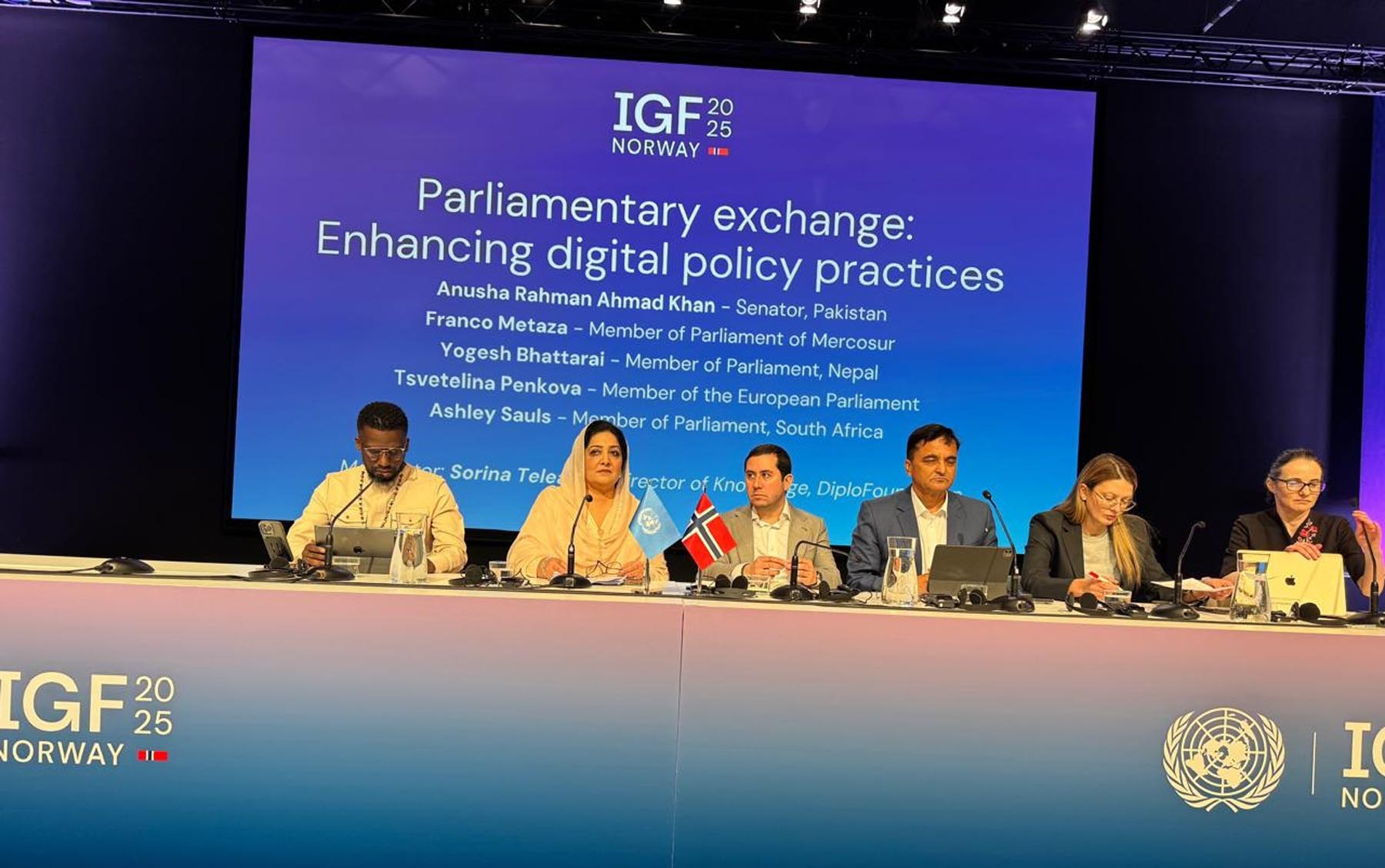
Pakistan's Digital Transformation: A Call for Modern Regulation and Infrastructure
Pakistan is at a critical juncture in its digital transformation journey. To fully harness the potential of artificial intelligence (AI), blockchain, and digital finance, the country must prioritize modernizing its regulatory frameworks and investing in robust connectivity infrastructure, including satellite internet, according to Senator Anusha Rahman Khan.
The Leadership Summit on Blockchain and Digital Assets, hosted by the LUMS Centre for Digital Assets Research (CeDAR), provided a platform for policymakers, financial leaders, and technology experts to discuss these pressing issues. As the chief guest, Senator Rahman emphasized the urgency of aligning governance structures with the rapid advancements in frontier technologies.
The Need for Forward-Looking Policies
While Pakistan has entered the era of AI and blockchain, the senator highlighted that "the governance frameworks are still being written." This presents a decisive moment for policymakers to establish clear, forward-looking regulations that will shape the province’s digital trajectory over the next decade. She mentioned that the Punjab government is actively working on finalizing these policy frameworks within the next three to five years.
Bridging the Connectivity Gap
A major challenge in achieving digital inclusion is the lack of reliable and affordable internet access. Senator Rahman identified this as the "single biggest barrier" to progress. To address this, the province plans to introduce satellite-based high-speed internet across Punjab, aiming to connect underserved and unserved regions. "In the absence of reliable and affordable internet, we would be talking only in the air," she said, emphasizing that this initiative will enable the large-scale deployment of AI and other transformative technologies.
Blockchain as a Governance Tool
Blockchain technology was also a central theme of the summit. Senator Rahman described it as a "governance instrument" capable of building trust through its decentralized and tamper-resistant nature. She noted that blockchain can revolutionize public service delivery and enhance financial transparency, ultimately creating a more accountable and auditable economic system.
Building a Digital Ecosystem
Punjab’s digital roadmap includes the establishment of specialized AI and blockchain-focused incubators in cities such as Lahore, Faisalabad, and Sahiwal. Additionally, the province is launching an ambitious skills program targeting six million young people, including women, over the next four years. The goal is not just to create startups that scale internationally but to develop solutions that address the needs of 140 million people in Punjab.
The Role of Digital Finance
On the topic of digital finance, Senator Rahman argued that a cashless economy represents more than convenience—it is a structural shift that generates data for credit access, tax compliance, and targeted subsidies. "It is the foundation of transparency that attracts serious investment," she stated, highlighting the importance of digital finance in driving economic growth.
Industry Insights and Collaborations
The summit featured a high-level panel discussion on AI, blockchain, and digital assets, bringing together industry leaders such as Faisal Ejaz Khan from Bank of Punjab, Muhammad Zaman from Allied Bank, and Humza Khan from Binance. Panelists discussed how the convergence of AI and blockchain is reshaping financial systems and stressed the need for regulatory clarity and innovation-friendly policies.
Another session focused on digital payments and financial inclusion, with key stakeholders like Hamayun Sajjad from Mashreq Bank and Sharjeel Murtaza from Karandaaz Pakistan. They emphasized the importance of accelerating digital payments to improve financial inclusion, economic documentation, and transparency.
A Consensus on the Future
Across all sessions, experts agreed that while Pakistan has made significant progress in fintech adoption, scaling a truly inclusive digital economy requires sustained regulatory support, robust infrastructure, and stronger consumer trust. The summit concluded with a consensus that AI, blockchain, and digital financial systems—underpinned by clear policy direction and universal connectivity—will define Pakistan’s economic future.
