Snowboard gold medal miracle, Choi Ga-woon... It turns out there was Buddhism behind it.
Rising again from the fallen position, he scored 90.25 points. That was the moment when the first winter Olympic gold medal in South Korean ski history was confirmed. It is evaluated that the Dalmabae and the support from the Buddhist community, which had continued since 2003, finally bore fruit with this gold medal.
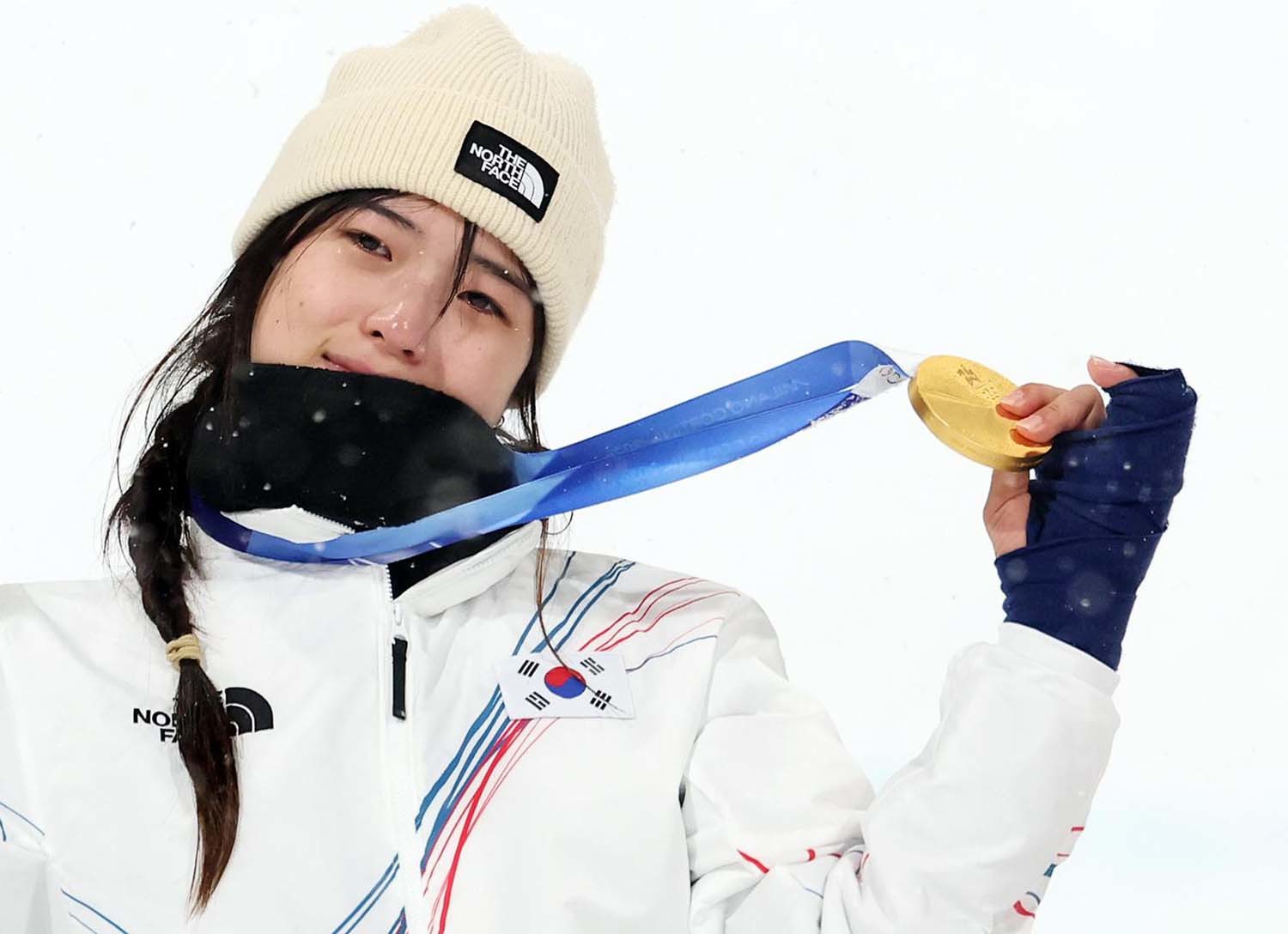
Choi Ga-on (Seohwa High School) won the women's halfpipe final of the 2026 Milan-Cortina Winter Olympics on the 13th (Korean time) at the Rivigno Snow Park in Italy, scoring 90.25 points, surpassing Chloe Kim (USA) who scored 88.00 points. This is the first gold medal for the Korean delegation at this competition and also the first gold medal in skiing at the Winter Olympics for South Korea.
Ji-ga-on, born in November 2008, reached the top at the age of 17 years and 3 months. This broke the previous record for the youngest gold medalist in this event, set by Chloe Kim at the 2018 PyeongChang Olympics (17 years and 10 months). It is a new milestone for South Korean snowboarding.
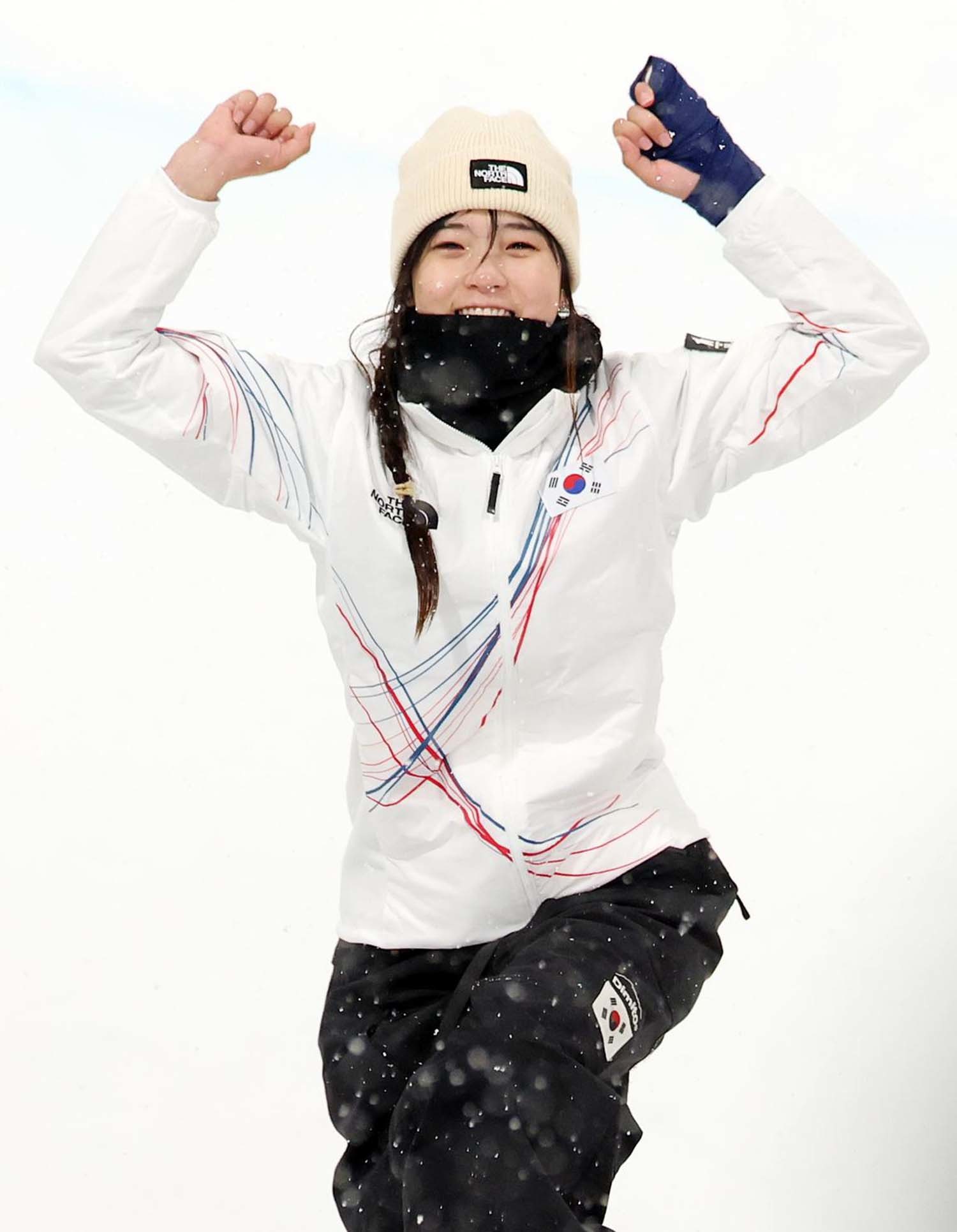
The final was dramatic. During the second jump of the first round, he fell heavily and could not get up for a while. Medical staff entered the slope to check his condition, and the scoreboard temporarily displayed that he would not compete. In the second round, he also failed to finish, remaining in 11th place out of 12 competitors with 10 points from the first round. It seemed he was far from the medal zone.
Meanwhile, Chloe Kim successfully landed a double cork 1080 in the first round, earning 88.00 points and leading the rankings. This was a situation where expectations for her third consecutive Olympic championship win were high.
The outcome was decided in the final third period. Choe Ga-on opted for stability by focusing on 900 and 720-degree rotations instead of high-difficulty techniques above 1080 degrees. She successfully performed a 2.5 rotation technique three times, finishing her performance. Her score was 90.25 points, and she immediately rose to the top of the rankings. Chloe Kim failed to land her jump in the third period, failing to make a comeback. Third place was taken by Mitsuki Ono from Japan, who received 85.00 points.
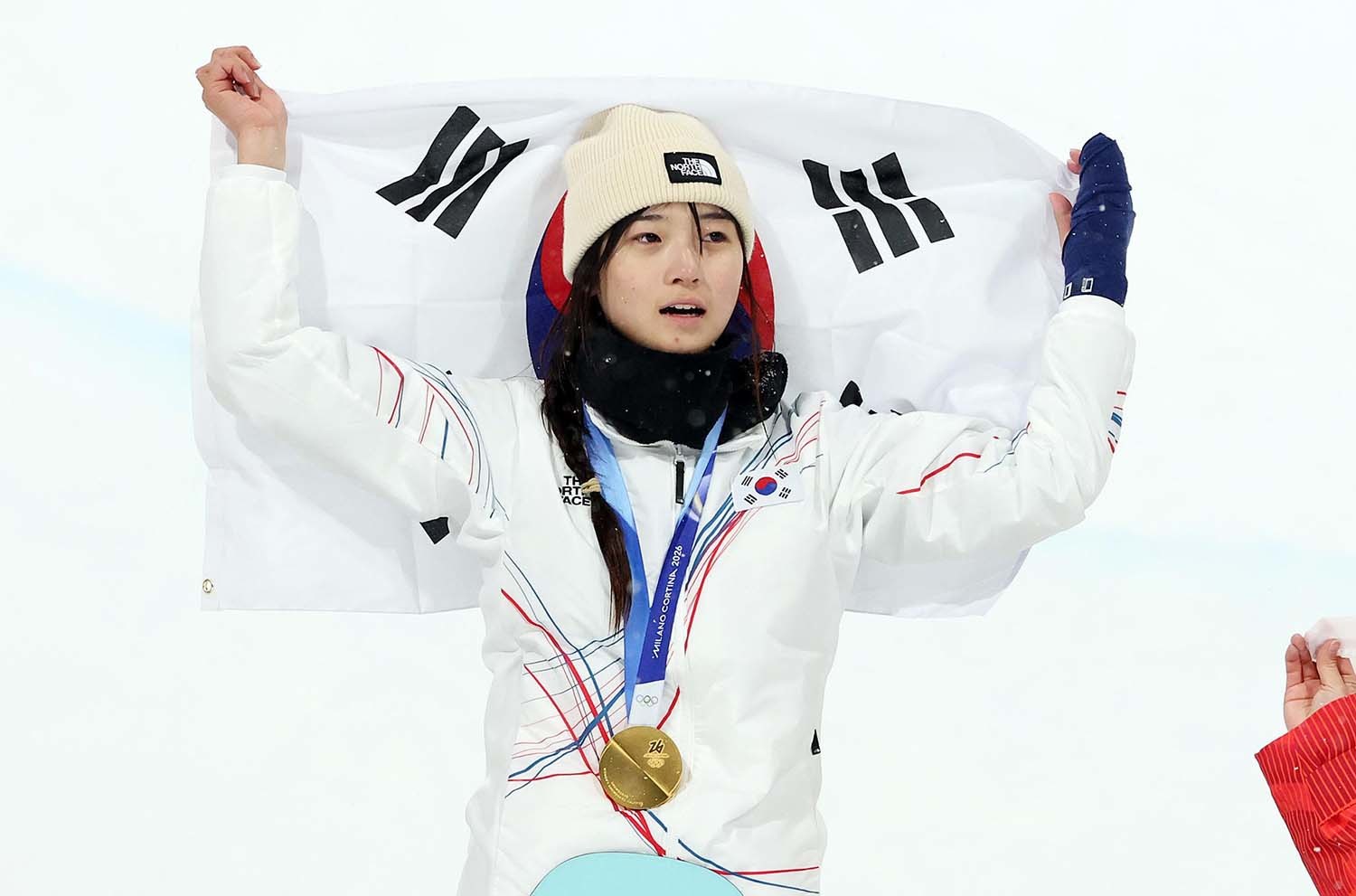
At this competition, South Korean snowboarding athletes continued to win medals. Kim Sang-gyeom won a silver medal in men's snowboard alpine, and Yu Seung-eun won a bronze medal in women's snowboard big air. The history of South Korean snow sports medals at the Olympics, which began with Lee Sang-ho's silver medal at the 2018 PyeongChang Winter Games, was expanded with gold this time.
Many of these medalists have a connection with the "Dalmabae Snowboarding Tournament," which started in 2003. The tournament, led by Hoesan, abbot of Bongseonsa, the headquarters of the 25th Buddhist Order of Korea, has been held for more than 20 years. It is considered an example of religious groups providing long-term sponsorship during a period when domestic snow sports lacked corporate sponsorship and institutional support.
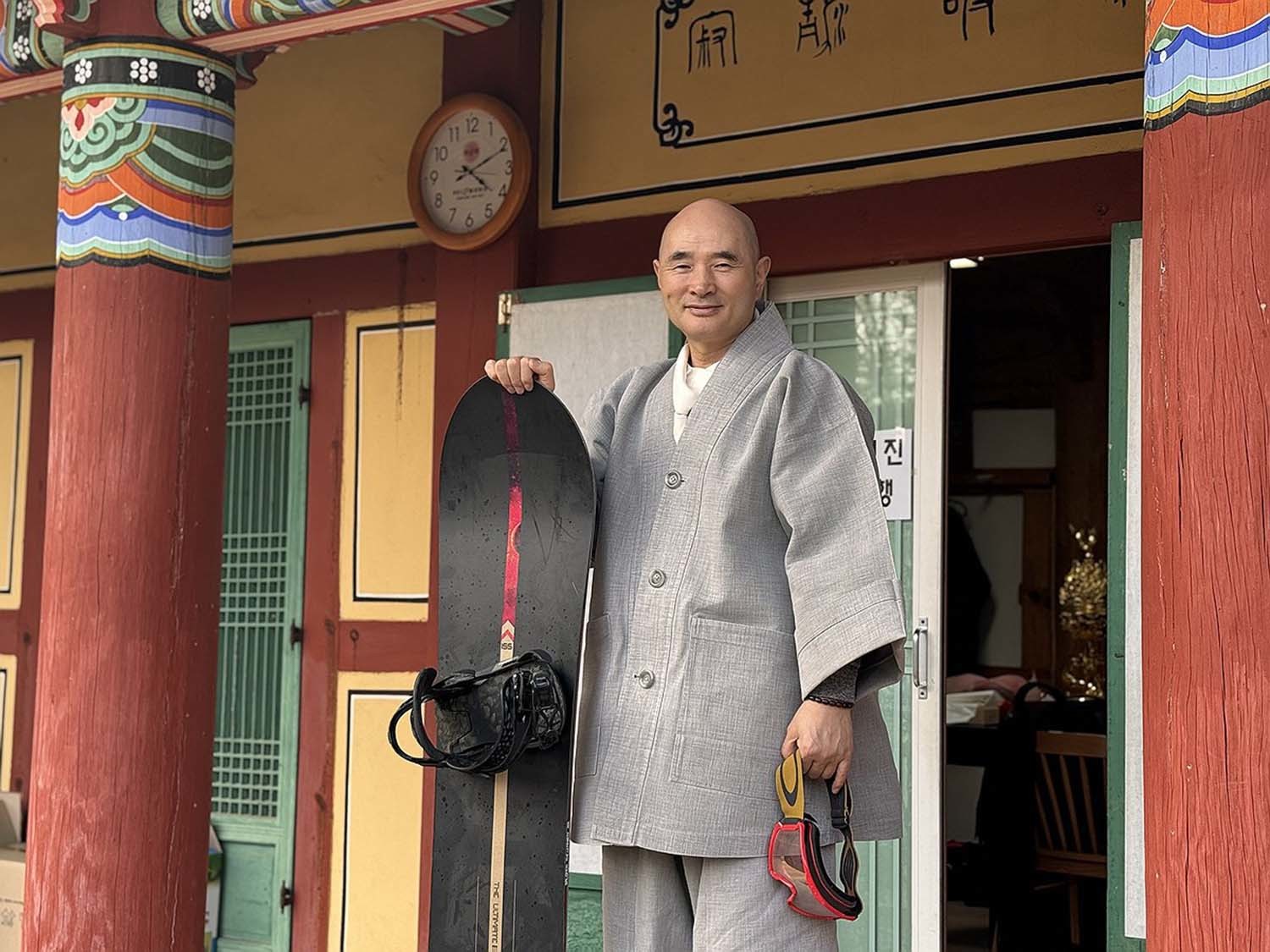
The Dalma Cup is not just a simple enthusiasts' competition. It costs between 50 million and up to 100 million won per event. During its peak, it was held as an international competition recognized by the International Ski and Snowboard Federation (FIS), providing a stage for domestic athletes to accumulate international ranking points without having to go abroad. Considering the high costs of overseas travel due to the nature of snow sports, it has been evaluated as a practical form of support.
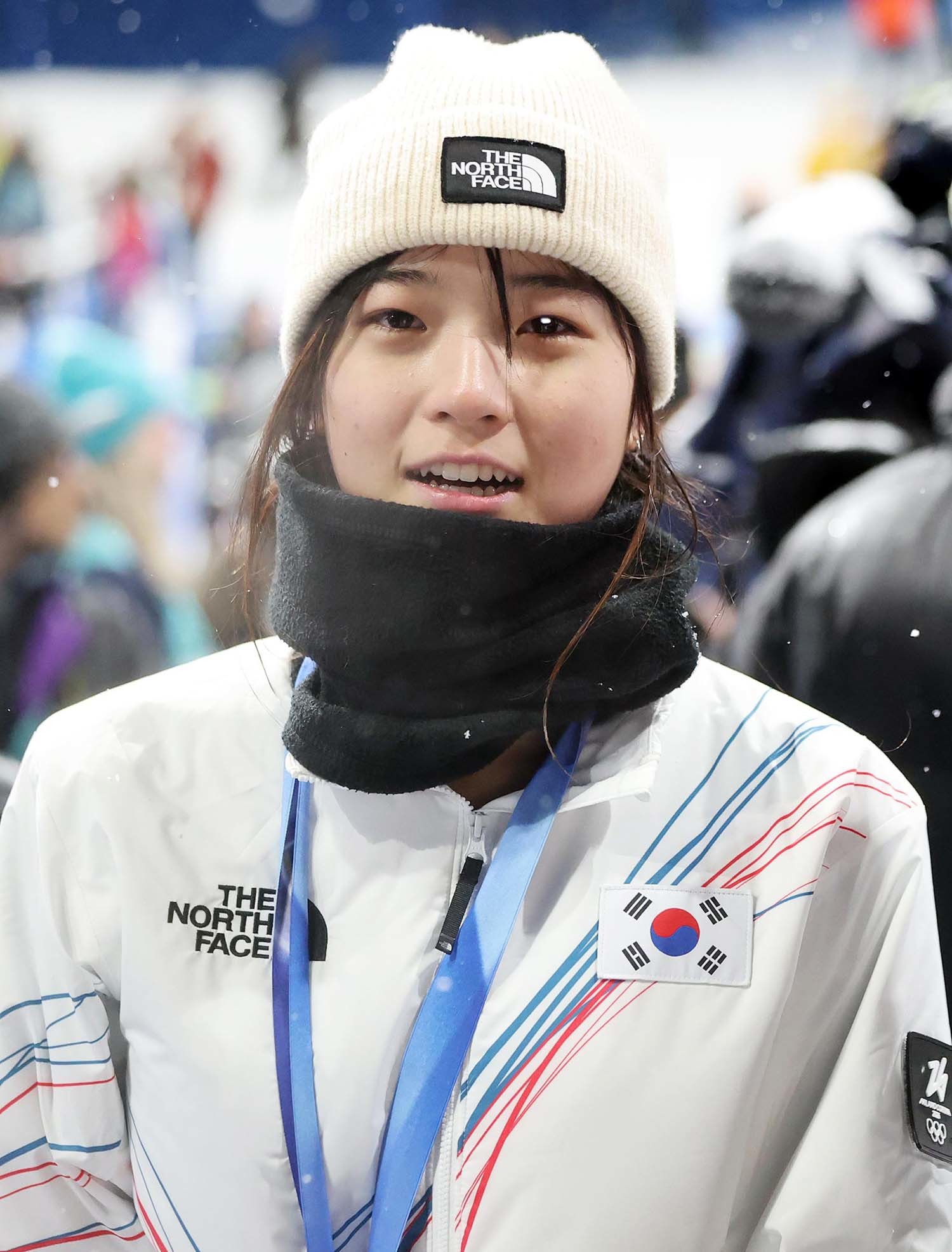
Kim Sanggyum, Yu Seungeun, and Choi Ga-woon all participated in the Darmabae. Lee Sang-ho, who won South Korea's first Olympic medal in ski jumping at PyeongChang, also had a connection with the event. Some athletes received scholarships and training fee support, and also secured sponsorship opportunities through the competition.
Recently, the event has shifted to a youth-centered camp format, focusing on identifying and training athletes. Professional coaches are invited to provide technical guidance, and equipment support and training camps are also being implemented. This is a way to compensate for the current lack of permanent half-pipe facilities in the country.
In South Korea, winter sports have long been perceived as "individual responsibility events." It is considered exceptional that the Buddhist community has provided support for over 20 years, given the limited corporate sponsorship and insufficient association budgets. This makes the case even more meaningful, as long-term sustained sports sponsorship is rare.
Your daily fortune report! How will today be?Live popular news articles
- 1st placeStill only seeing the paper? ... The 'secret weapon' planned by EBS and Scone
- 2nd place"Korean film that attracted 3 million viewers 16 years ago" to be released tomorrow (14th) on Netflix
- 3rd placeDid everyone get a deadly disease if they buy a house in the 300-400 million won range?
