SpaceX Halts Mars Plans, Shifts Focus to Moon City
A Shift in Focus: SpaceX's Lunar Ambitions
SpaceX CEO Elon Musk has announced a significant shift in the company’s space exploration strategy. Rather than prioritizing Mars missions, the company is now focusing on constructing a self-sustaining city on the Moon. This decision marks a departure from previous plans and highlights the potential benefits of establishing a lunar base.
Why the Moon?
Musk explained that building a human settlement on Mars could take up to 20 years, while a lunar city could be completed in half that time. The primary reason for this difference lies in the frequency of launch windows. Traveling to Mars requires waiting for the planets to align every 26 months, with a journey taking approximately six months. In contrast, the Moon can be reached every 10 days, with a trip lasting just two days. This shorter timeframe allows for faster iterations and progress.
“It is only possible to travel to Mars when the planets align every 26 months (six month trip time), whereas we can launch to the Moon every 10 days (2 day trip time). This means we can iterate much faster to complete a Moon city than a Mars city,” Musk stated in an X post.
While the Moon is the current priority, Musk emphasized that SpaceX remains committed to its long-term goal of establishing a human presence on Mars. He mentioned that the company will begin working on a Mars city within five to seven years. However, the immediate focus is on securing the future of civilization by developing a sustainable lunar base.
From Distraction to Priority
Earlier in 2025, Musk referred to the Moon as a “distraction.” However, since autumn 2025, he has increasingly highlighted the importance of lunar city ambitions. This shift reflects a growing recognition of the Moon’s strategic value in advancing space exploration and technological development.
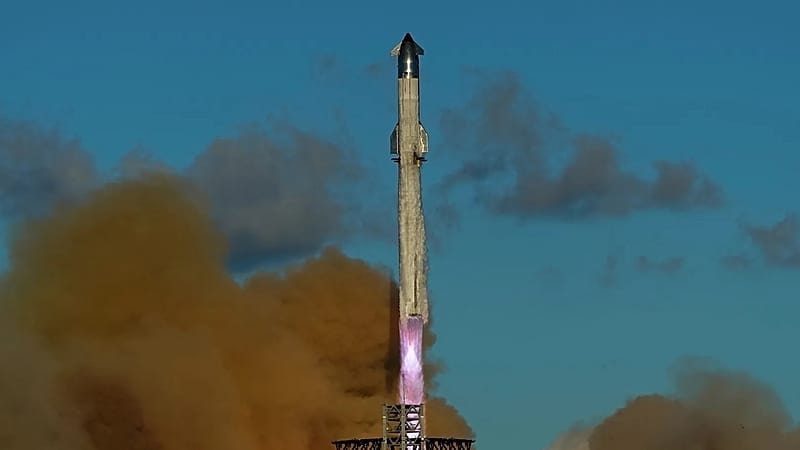
Despite this change in focus, Musk reiterated that SpaceX’s ultimate mission remains extending human consciousness and life to Mars and beyond. The company had previously planned an uncrewed mission to Mars using its Starship rocket, but this project has faced delays due to technical challenges such as explosions and liquid oxygen leaks. Additional concerns about planetary alignment have further complicated the timeline.
Expanding Space Infrastructure
In addition to the Moon base, Musk has outlined other ambitious plans for space. These include building factories on the Moon to produce artificial intelligence satellites and related components, such as solar cells and radiators. Using electromagnetic launch systems, these AI satellites would be launched into space from the Moon’s surface.
Musk also revealed plans to construct massive space data centers in orbit. These facilities would handle complex AI computing tasks and reduce the need for high cooling and power costs on Earth. By leveraging the unique conditions of space, SpaceX aims to revolutionize computing and data processing.
Competitors in the Lunar Race
SpaceX is not alone in its pursuit of lunar exploration. Rival Jeff Bezos’s Blue Origin has also shifted its focus toward the Moon. The company has announced that it will pause its space tourism flights to redirect resources toward building a lunar lander for NASA. This move underscores the growing interest in lunar infrastructure and the potential for commercial opportunities in space.
As SpaceX and other aerospace companies continue to develop their lunar strategies, the Moon is becoming a critical hub for future space exploration. With advancements in technology and increasing investment, the dream of a self-sustaining lunar city may soon become a reality.
