SpaceX's New Particle Accelerator: A Leap for Space Exploration
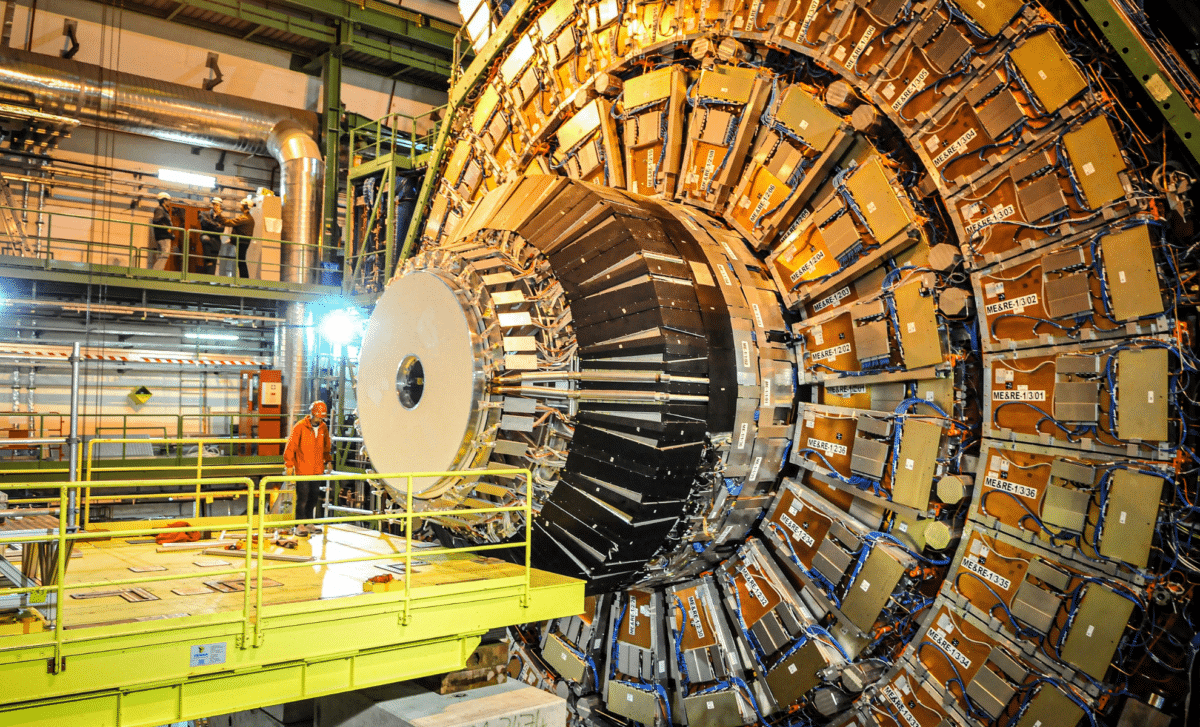
SpaceX is Building Its Own Particle Accelerator for Space Radiation Testing
SpaceX has taken a major step forward in ensuring the durability and reliability of its spacecraft and satellites by constructing its own particle accelerator in Florida. This development was confirmed by Michael Nicolls, SpaceX’s VP of Starlink, who shared details about the project on social media. The new facility, a proton cyclotron, will be used to test how space radiation impacts electronic components on various SpaceX vehicles, including the Starship and Starlink satellites.
Why Space Radiation is a Major Concern
Space radiation poses one of the biggest threats to spacecraft and satellites. Solar storms, high-energy particles, and cosmic radiation can cause significant damage to electronic systems, leading to shortened lifespans and costly repairs. For example, SpaceX’s Starlink satellites have already demonstrated vulnerabilities to these hazards, especially during intense solar activity.
By building a particle accelerator, SpaceX aims to simulate the effects of space radiation on materials and electronics right here on Earth. This controlled environment will allow the company to conduct real-world tests on spacecraft components, which is essential for developing more resilient and reliable space vehicles.
How the Proton Cyclotron Works
The particle accelerator being built by SpaceX is a cyclotron, designed to accelerate protons to near-light speed. This technology will help simulate the conditions that spacecraft and satellites encounter in space, allowing engineers to test how different materials and electronic systems perform under extreme radiation exposure.
According to a job posting for an Electronics Test Engineer, the proton accelerator will be used to "screen and characterize electronics across all of our vehicles and platforms." This process will unlock unprecedented agility for chip and printed circuit board assembly level performance characterization, which is critical as SpaceX builds and scales its AI constellations and deep space exploration vehicles.
Benefits of In-House Radiation Testing
SpaceX’s decision to build its own radiation testing facility represents a proactive approach to understanding the challenges of space exploration. By conducting in-house tests, the company can anticipate and address potential issues before they become critical. This not only improves the reliability of current missions but also ensures that future technologies are designed to withstand the harsh environments of deep space.
The new facility will also play a crucial role in the development of hardware that can operate in even more extreme conditions, such as long-duration missions beyond Earth’s protective atmosphere. This is particularly important as SpaceX plans ambitious crewed flights to the Moon, Mars, and beyond.
A New Era of Electronics Testing
Electronics in spacecraft face some of the most challenging environments imaginable. In addition to radiation, they must also contend with extreme temperatures, vacuum conditions, and mechanical stress. As SpaceX pushes the boundaries of space exploration, the need for durable and reliable electronics becomes increasingly pressing.
The cyclotron will allow SpaceX to rapidly test and refine these systems, helping the company meet the high demands of space travel. By integrating these tests directly into its development process, SpaceX can significantly shorten the time it takes to identify and resolve hardware failures, ensuring that problems are addressed before they become critical.
Strategic Implications for the Future of Space Exploration
SpaceX’s investment in a particle accelerator is not just about improving its own vehicles—it could also have broader implications for the future of space exploration. As private companies, national space agencies, and international organizations plan missions to the Moon, Mars, and beyond, the demand for radiation-resistant technology will only grow.
By taking the lead in this area, SpaceX is positioning itself as a key player in shaping the next generation of space technology. This move aligns with the company’s broader goals of reducing costs, improving spacecraft longevity, and enhancing mission success rates.
Conclusion
SpaceX’s new particle accelerator is a game-changing development that underscores the company’s commitment to innovation and safety in space exploration. By simulating space radiation on Earth, the company can ensure that its spacecraft and satellites are better prepared for the challenges of deep space. This strategic move not only benefits SpaceX but also sets a new standard for the entire space industry.
