US and Taiwan Cut Tariffs to Boost Trade Spending
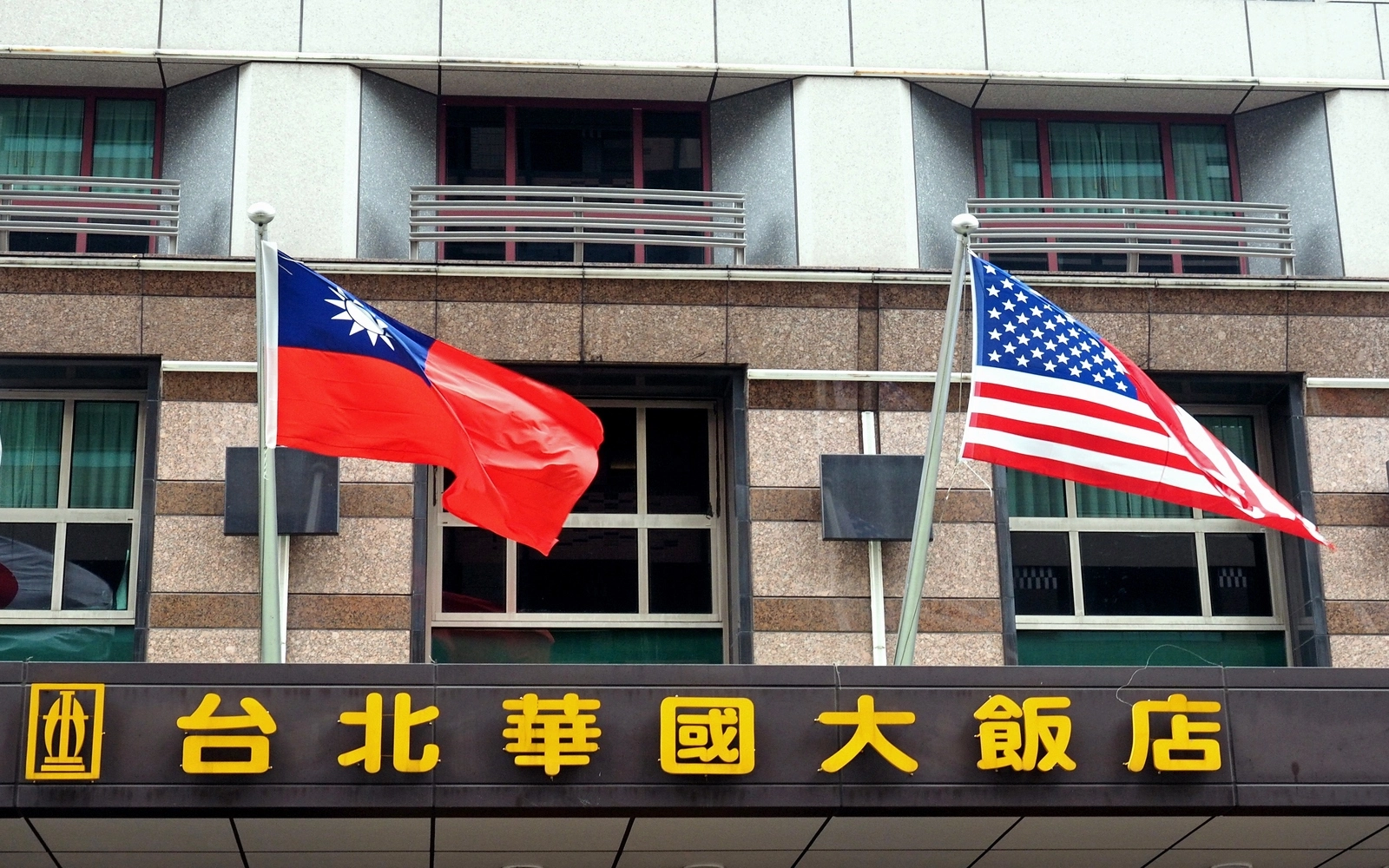
US and Taiwan Finalize Trade Agreement to Boost Economic Ties
Washington has announced a new trade deal with Taiwan, aimed at reducing U.S. tariffs on goods from the island and strengthening economic cooperation between the two regions. The agreement, which was first revealed in January, marks a significant step forward in their long-standing trade relationship.
The deal involves lowering U.S. tariffs on many Taiwanese exports from 20% to 15%. This reduction is expected to benefit both parties by making it easier for Taiwanese goods to enter the U.S. market. In addition, the agreement includes commitments from Taiwan to increase its purchases of U.S. products over the next several years.
Key Details of the Agreement
The U.S. Trade Representative (USTR) Jamieson Greer highlighted that the new pact will eliminate tariff and non-tariff barriers for U.S. exports to Taiwan. He emphasized that this agreement builds on the strong economic ties already in place between the two regions.
“By reducing these barriers, we are helping to ensure that American businesses can more easily access the Taiwanese market,” said Greer in a statement. “This is an important step in enhancing the resilience of our supply chains, especially in high-technology sectors.”
The agreement also aims to boost investment in the U.S. tech industry, with a focus on fostering innovation and collaboration between the two economies.
Taiwan’s Commitments
According to a fact sheet released by the USTR’s office, Taiwan has pledged to facilitate a “long-term increase in its purchases of important U.S. goods” through 2029. This includes significant investments in various sectors:
- Liquefied natural gas and crude oil: $44.4 billion
- Civil aircraft and engines: $15.2 billion
- Power equipment and power grids: $25.2 billion
These commitments reflect Taiwan’s willingness to strengthen its trade relationship with the United States and support American industries.
Mutual Benefits
In return for these commitments, the U.S. has agreed to reduce its tariffs on Taiwanese goods. This reciprocal arrangement is designed to promote a more balanced and fair trade relationship between the two regions.
Taiwan has also committed to reducing most tariff barriers and providing preferential market access for U.S. industrial and agricultural exports. These measures are intended to make it easier for American businesses to sell their products in the Taiwanese market.
Next Steps
The trade pact still needs to be reviewed and approved by Taiwan’s legislature before it can take full effect. Once finalized, the agreement is expected to have a positive impact on both economies, supporting job creation, innovation, and long-term economic growth.
Overall, this deal represents a major milestone in U.S.-Taiwan trade relations and sets the stage for further cooperation in the years to come.
