Watch: Nga Kor Ming Urges Selangor to Consult Sultan on Pig Farm Ban
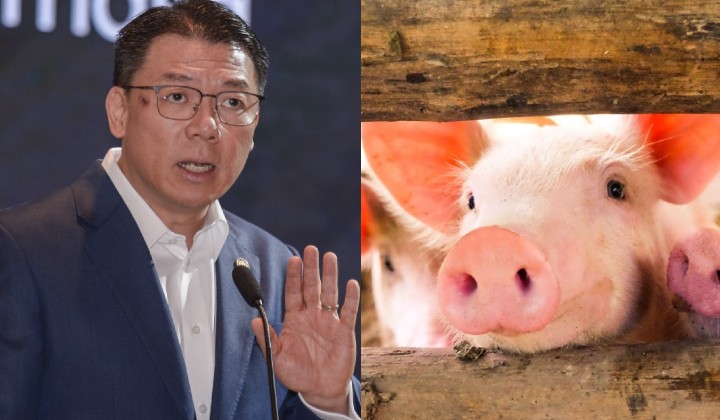
Government Minister Advocates for Dialogue with Sultan on Pig-Farming Controversy
A government minister has suggested that Selangor state should engage in discussions with its sultan to address the ongoing controversy surrounding pig farming, which has led to a complete ban on the industry. This decision has sparked significant debate and raised questions about the future of pork production in the region.
Selangor has decided to shut down all pig farms within the state and source all pork from other regions instead. This move aligns with the wishes of the sultan, who expressed concerns over the environmental impact of pig farming. The state's Menteri Besar, Datuk Amirudin Shari, mentioned that Selangor already imports approximately 70% of its pork from other states. With this new policy, the state will now rely entirely on external sources for its pork supply.
The closure of existing pig farms, including those located in Tanjong Sepat and Kuala Langat, will be carried out gradually, with support from veterinary officials. This step aims to ensure a smooth transition and minimize disruption to the local economy.
Environmental Concerns Take Center Stage
Housing and Local Government Minister Nga Kor Ming emphasized the need for the Selangor government to develop a comprehensive plan and present it to Sultan Sharafuddin Idris Shah. He described the sultan as open to discussion and willing to consider alternative solutions. Nga, who is also the DAP deputy chairman, stressed that the issue should not become entangled in politics, race, or religion.
He pointed out that when such issues are politicized, it leads to division and no one benefits. Instead, he urged the focus to remain on environmental concerns, as the sultan was primarily worried about pollution affecting local communities. Nga proposed that the state could have explored upgrading pig farms using foreign funding and modern technology, similar to practices in countries like Denmark, the Netherlands, and China. However, these ideas were considered too late, as the state had already opted for a complete ban rather than addressing the underlying issues.
Sarawak Steps In to Support Selangor
Sarawak has expressed its willingness to supply more pork to Selangor to help mitigate the shortage caused by the ban. Sarawak’s agriculture minister, Stephen Rundi Utom, stated that his state has been sending live pigs to Selangor since last year and can increase the supply if needed. He also mentioned that Sarawak is open to supplying other states that wish to purchase from them.
Sarawak currently operates several small pig farms and three large modern ones in different areas. This means that while Selangor will cease pork production, Sarawak’s farming business could see growth. However, it is important to note that the federal government still regulates who can produce and import pork, highlighting the complex nature of the issue.
Impact on Local Communities
The ban has sparked online discussions about its impact on local communities, particularly the Chinese community, for whom pork holds cultural significance. Many people have shared their perspectives on social media platforms, emphasizing the importance of considering diverse viewpoints in policy decisions.
Conclusion
The decision to ban pig farming in Selangor has prompted a broader conversation about the balance between environmental concerns, economic implications, and cultural considerations. As the state moves forward with its new policy, the role of dialogue and collaboration with the sultan and other stakeholders remains crucial. The situation also highlights the potential for regional cooperation, as seen in Sarawak's willingness to support Selangor's needs.
With the federal government's oversight and the need for sustainable solutions, the path ahead requires careful planning and consideration of all affected parties. The outcome of this policy will likely serve as a case study for future debates on similar issues across Malaysia.
