Waymo Hires Humans to Keep Robotaxis Running
Addressing Door Issues in Autonomous Taxis
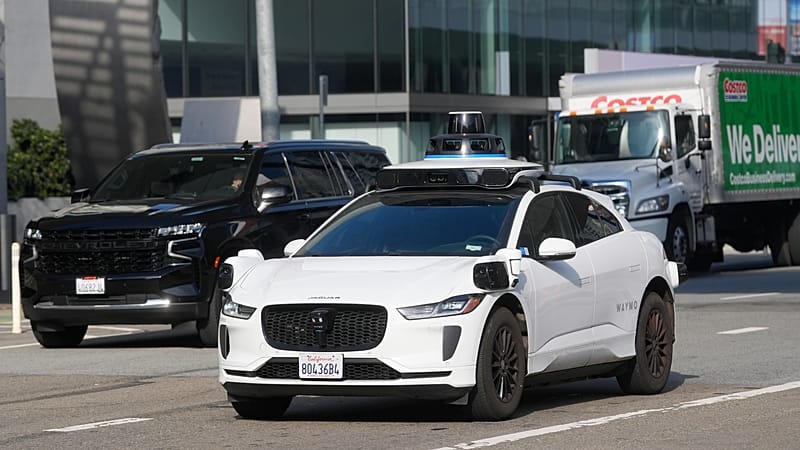
Waymo, an American company specializing in autonomous driving technology, has introduced a unique solution to a common problem: passengers leaving the doors of its driverless taxis open. This issue can disrupt the smooth operation of the robotaxi service, as the vehicle cannot proceed until the door is properly closed.
Waymo provides a 24-hour commercial robotaxi service in several cities across the United States. These vehicles are fully autonomous and designed to operate without a human driver. However, if a passenger exits the vehicle with the door left ajar, the car is unable to continue its journey. To tackle this challenge, Waymo has developed a system that alerts nearby gig workers who can quickly assist in closing the door and returning the vehicle to service.
Collaboration with Gig Workers
The initiative involves a partnership between Waymo and DoorDash, a food delivery platform. In a joint statement, both companies confirmed the launch of a pilot program in Atlanta. Under this scheme, DoorDash drivers receive notifications when a Waymo vehicle's door is left open nearby. They can then respond to close the door and ensure the vehicle is back in service.
This collaboration highlights the growing role of gig economy workers in supporting the development and maintenance of autonomous vehicle technology. While future Waymo vehicles are expected to feature automated door-closing technology, no specific timeline for this upgrade has been announced.
Expanding Support Networks
In addition to working with DoorDash, Waymo is also collaborating with Honk, a roadside assistance and towing platform. Honk users have already been involved in performing maintenance-related tasks for the robotaxi fleet. According to reports from The Washington Post, Honk workers in Los Angeles have been offered payments of up to $24 (€20) to close a vehicle door.
These partnerships demonstrate how Waymo is leveraging existing networks to address operational challenges while advancing its autonomous driving technology.
Expanding Operations Globally
Waymo currently operates over 1,500 fully autonomous vehicles in major U.S. cities such as San Francisco, Los Angeles, and Phoenix. The company, which is owned by Alphabet, is also looking to expand its services internationally.
In London, Waymo has started mapping the city’s roads using vehicles equipped with safety drivers. The company has plans to launch a fully driverless service in the UK this year. Additionally, Waymo has announced intentions to test and deploy its autonomous vehicles in Tokyo, Japan’s capital.
Future of Autonomous Driving
As Waymo continues to refine its technology and expand its operations, the use of gig workers and third-party platforms like Honk and DoorDash plays a crucial role in maintaining the efficiency of its robotaxi service. These efforts reflect the evolving landscape of autonomous transportation, where traditional and digital labor models intersect to support innovation.
With ongoing developments in both technology and operational strategies, Waymo is positioning itself at the forefront of the autonomous driving revolution, setting the stage for a future where driverless vehicles become a common sight on roads around the world.
