What defines luxury homes today? The rise of quiet, functional spaces
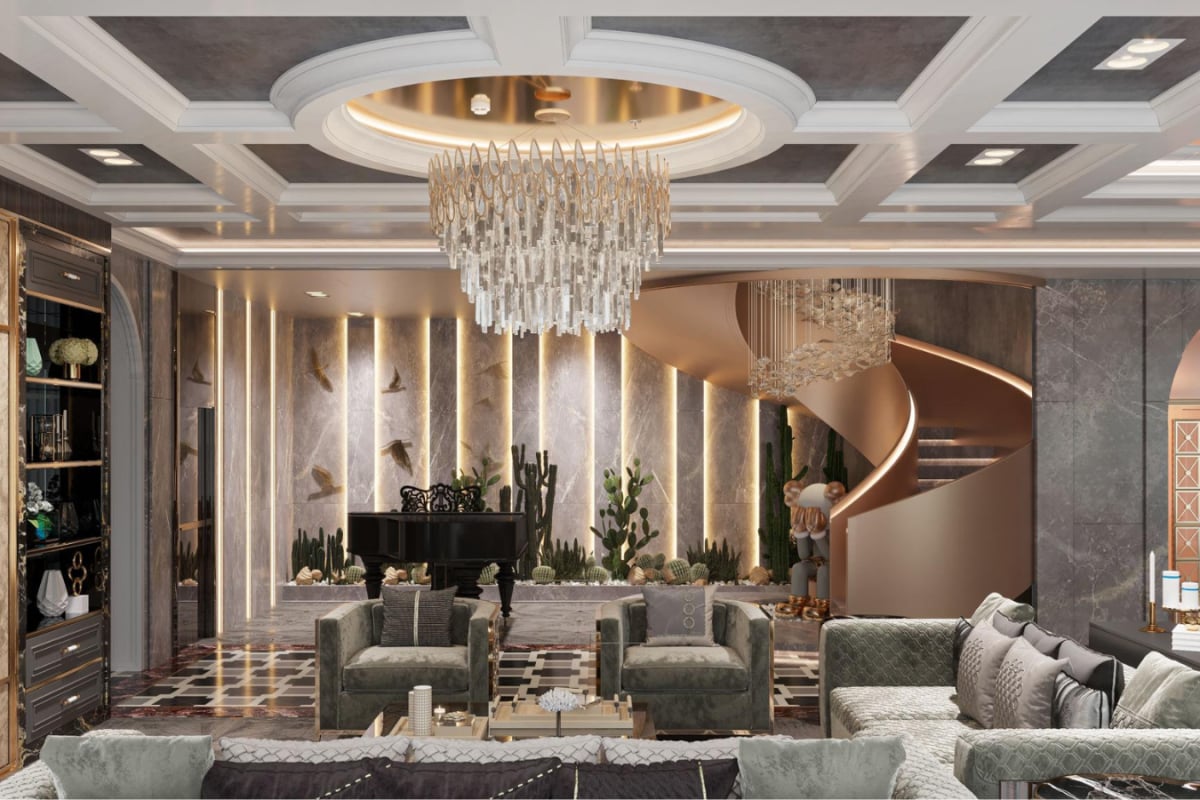
The New Definition of Luxury in Home Design
Luxury homes are no longer competing to be the grandest in the room. Instead, they are quietly evolving into spaces that feel intuitive, restorative and deeply aligned with the rhythms of modern life. Across India’s design landscape, architects and interior visionaries are moving away from spectacle-led aesthetics toward environments rooted in ease, emotional comfort and thoughtful functionality.
For Kritika Goswamy Malik, Founder, House of December, the definition of luxury today lies not in visual excess, but in effortless living. “Luxury today is no longer about how much a space impresses, it’s about how effortlessly it allows you to live,” she says. According to Malik, true luxury reveals itself in subtle details, circulation that flows naturally, light that falls exactly where it should and objects that exist with intention rather than ornamentation. “We are moving away from display-driven design toward spaces that support real living,” she explains.
Homes Designed Around Human Experience
This shift reflects a larger transformation within contemporary luxury housing. Homes are increasingly being designed not as showcases, but as sanctuaries. Spaces today are expected to anticipate needs, support emotional wellbeing and create moments of pause amid increasingly fast-paced lifestyles.
Malik believes this philosophy is central to the evolving design discourse showcased at DWELL Design Show, where environments are styled as lived-in spaces rather than static displays. “Design is not presented in isolation,” she notes. “It is completed through styling, through objects, layers and lived-in moments that bring spaces to life.”
Architectural thinking, too, is undergoing a quiet but significant transformation. Giulia Baima Bollone, Director, Embassy Interiors, describes this change as a “fundamental recalibration” in luxury housing. “The emphasis has shifted from what is seen to what is felt,” she says.
Rather than demanding larger homes or dramatic architectural gestures, clients today are seeking spaces that are better resolved, homes that prioritise spatial clarity, environmental comfort and psychological ease.
The Rise of Wellness-Led Design
This evolution demands a far more nuanced approach to planning. Bollone explains that modern luxury homes are now carefully orchestrated around circulation, zoning and transitions between public and private spaces.
Natural light, once treated as an aesthetic feature, has become a primary architectural driver. “Openings are positioned not just for illumination, but for controlled daylighting, glare reduction and seasonal adaptability,” she explains. The relationship between interiors and exteriors is also becoming more fluid, with courtyards, terraces and landscaped pockets embedded into the architectural language rather than added as decorative afterthoughts.
Wellness, meanwhile, has become deeply integrated into the very framework of luxury living. But beyond spa-inspired amenities or decorative greenery, it now influences core architectural decisions, from air movement and acoustics to tactile materiality and decompression zones within the home. “Spaces are expected to perform at multiple levels, functional, sensory and emotional,” says Bollone.
Technology That Disappears Into the Experience
Technology, too, is evolving within the luxury conversation. Instead of functioning as a visible marker of sophistication, smart systems are becoming quieter, more intuitive and seamlessly embedded into daily living.
“The objective is not to showcase technology, but to allow it to quietly enhance the performance of the built environment,” Bollone says. In the modern luxury home, technology adapts to the user rather than demanding attention from them.
Effortlessness as the Ultimate Luxury
For Manish Shah, Founder and Creative Director, Nimmit, this understated ease defines contemporary luxury perfectly. “Luxury today isn’t about having more. It’s about effortlessness,” he says.
Shah believes the most compelling spaces possess an instinctive calmness, environments that feel personal, harmonious and authentic rather than curated for display. “Everything belongs. Nothing is trying too hard,” he reflects. “Luxury isn’t something you display. It’s something you experience.”
A Softer, More Intentional Future
Collectively, these perspectives point toward a larger cultural shift in how luxury is being understood in India. Sustainability, hyper-personalisation and holistic wellbeing are no longer optional add-ons but central expectations. Homes are becoming quieter, more tactile and emotionally intelligent, designed not to overwhelm, but to support everyday living with grace and restraint.
Because in the end, the new luxury isn’t loud. It unfolds slowly, intuitively and meaningfully, long after the first impression fades.
