Why Gen Z Hates China Now
Gen Z's New Obsession with China
Gen Z is known for their unique way of looking at the world, and recently, their fascination with China has taken center stage. While some might find it surprising, this generation is diving deep into Chinese culture, from its food to its traditions and even its language.
A Month in China Without a Visa
One of the main reasons behind this growing interest is the new deal introduced by Keir Starmer, which allows British citizens to visit China visa-free for a month. This has opened up new possibilities for travel and cultural exchange. Instead of heading to sunny destinations like Tenerife, many young Brits are choosing to explore the rich heritage of China.
Cultural Immersion or Just Trendy?
According to Cindy Yu in The Times, "China is cool now." This shift in perception is not just about the latest trends but also about a deeper cultural immersion. The term "Chinamaxxing" has been coined to describe this phenomenon, where young people are adopting aspects of Chinese culture, such as drinking hot water instead of cold and swapping shoes for slippers when inside the house.
This trend is not just limited to fashion; it extends to lifestyle choices. A girl from London gained 8.3 million views on TikTok by sharing her "morning routine since recently converting to Chinese." This shows how deeply Gen Z is embracing these cultural elements.
From Cultural Appropriation to Appreciation
While some may view this as cultural appropriation, others argue it's a form of cultural appreciation. The Economist highlights that Gen Z's obsession with Chinese film and TV has made Zhengzhou the new Hollywood. This shift in interest is evident in the growing number of young people watching Mandarin epics.

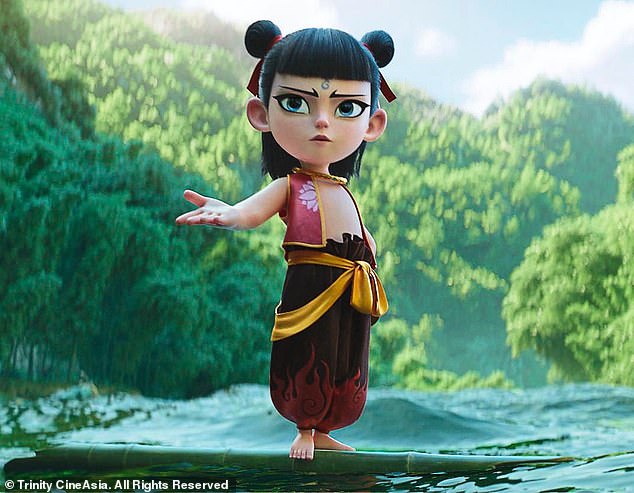
One example is the animated blockbuster Ne Zha 2, which has grossed £1.5 billion, making it the first non-Hollywood film to achieve such success. The story of Ne Zha, an ancient deity from Chinese mythology, resonates with many young people who are eager to learn more about Chinese culture.
Gaming and Cultural Connection
Video games have also played a significant role in this cultural exchange. Games like Black Myth: Wukong, which is steeped in Chinese folklore, have attracted eight million Western players. While playing a video game doesn't necessarily make someone an expert, it does foster a connection to the culture.
The Debate Over Cultural Identity
The discussion around cultural identity has sparked debates among different generations. Some argue that identifying with another culture is a form of self-expression, while others caution against misrepresentation. A viral X meme states, "I don’t even call it Chinatown any more, I just call it 'town.' That’s how Chinese my mind has become."
However, this perspective is not universally accepted. Many believe that cultural appreciation should be approached with respect and understanding, rather than superficial adoption.
Political Considerations
Despite the enthusiasm for Chinese culture, there are concerns about the political situation in China. Issues such as political repression and human rights violations cannot be ignored. However, data from the Pew Research Center shows that under-34s in Western countries view China more favorably than older generations.
Embracing the Culture
For many Gen Zers, embracing Chinese culture is a way to connect with a new world. They are learning traditional recipes, language lessons, and even "Chinese shakes" tutorials. These activities are seen as calming exercises that help relieve stress.
Conclusion
The fascination with China among Gen Z is a reflection of their desire to explore and understand different cultures. While there are valid concerns about cultural appropriation and political issues, the enthusiasm for Chinese culture continues to grow. Whether it's through travel, gaming, or social media, Gen Z is finding new ways to engage with and appreciate the rich heritage of China.
