Why Gen Z Thinks China is Cool Now
Gen Z’s New Obsession with China
Gen Z is known for its unique take on culture, and recently, their fascination with China has taken center stage. From travel plans to cultural immersion, the younger generation is showing a growing interest in all things Chinese.
Boomer, who might be skeptical of this trend, was surprised when Gen Z revealed they were heading to China for a month, thanks to a new visa-free deal. This move has sparked a conversation about what it means to engage with another culture.
Cultural Immersion or Trend?
According to Cindy Yu from The Times, “China is cool now.” But what does that really mean? It seems like the younger generation is embracing aspects of Chinese culture, such as drinking hot water instead of cold and swapping shoes for slippers at home. These habits may seem odd to some, but for Gen Z, they represent a deeper connection to the culture.
A girl from London gained 8.3 million views on TikTok by sharing her “morning routine since recently converting to Chinese.” This trend highlights how Gen Z is not just following trends but trying to immerse themselves in different ways of life.
Embracing the Culture
The idea of cultural appreciation is gaining traction among Gen Z. Unlike previous generations, they are more open to exploring other cultures without the fear of being labeled as appropriative. This shift is evident in the way young people engage with Chinese media, such as films and TV shows.
The Economist notes that Gen Z's obsession with Chinese film and TV has made Zhengzhou the new Hollywood. This shift in focus from Western entertainment to Chinese content reflects a broader change in how younger generations consume media.
A Growing Interest in Chinese Films
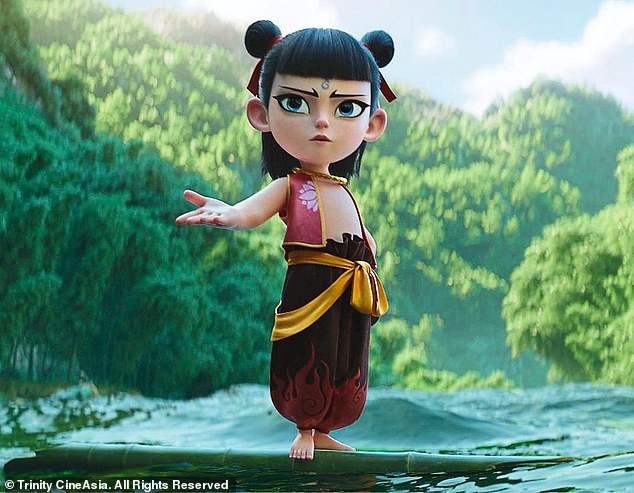
One example of this trend is the animated blockbuster Ne Zha 2, which has grossed £1.5 billion. The film's success is attributed to its engaging storyline involving fighting imps and demons, making it a hit among audiences.
But what exactly is Ne Zha? He is an ancient deity from Chinese mythology, known for destroying his enemies with a fire-tipped spear. This knowledge is part of the cultural education that Gen Z is seeking.
Video Games and Cultural Connection
Playing video games is another way Gen Z is connecting with Chinese culture. The game Black Myth: Wukong is steeped in Chinese folklore and has eight million Western players. While playing a game doesn't necessarily make someone an expert, it does show an interest in learning more about the culture.
Some argue that this interest is not enough, as seen in the debate over whether watching Paddington 2 makes one Peruvian. However, for Gen Z, it's about self-identification and embracing new cultural experiences.
The Viral Meme
A viral X meme states, “I don’t even call it Chinatown any more, I just call it ‘town.’ That’s how Chinese my mind has become.” This sentiment reflects the extent to which Gen Z is integrating Chinese culture into their lives.
However, not everyone is convinced. Some argue that this approach can be problematic, especially when it comes to political issues. The Boomer points out the differences between minor issues like potholes and more serious concerns such as political repression.
Generational Perspectives
Data from the Pew Research Center shows that under-34s in Western countries view China more favorably than older generations. This generational divide is evident in how different age groups perceive Chinese culture and politics.
While some may question the judgment of younger generations, others see it as a positive shift towards greater cultural understanding. For Gen Z, the goal is not just to follow trends but to build meaningful connections with other cultures.
The Power of Social Media
Social media plays a significant role in shaping these cultural exchanges. Influencers like TikToker @Kailawenn share traditional Chinese recipes, language lessons, and “Chinese shakes” tutorials. These interactions help bridge the gap between cultures and promote mutual understanding.
The concept of “Chinese shakes” may seem unfamiliar to some, but for others, it represents a calming exercise to relieve stress. As Gen Z continues to explore and embrace new cultural practices, the conversation around cultural appreciation and identity will only grow more complex.
