AI and automation cut managerial and labor jobs as service sector expands
Rise of AI and Automation Reshaping Employment Landscape
The rapid development of artificial intelligence (AI) and the increasing use of factory automation have significantly altered the job market, leading to a decline in both corporate managerial positions and simple labor jobs. This shift reflects broader economic changes driven by technological advancements and evolving business strategies.
According to the Ministry of Data and Statistics’ Economic Activity Population Survey, South Korea’s total employed population has continued to grow for the sixth consecutive year. The monthly average of employed individuals rose from 27,273,000 in 2021 to 28,398,000 in the first quarter of this year. However, when examining employment by occupational category, a different picture emerges.
Managerial roles, such as corporate executives, peaked at 475,000 in 2023—the highest since records began in 2013. Since then, the number has steadily declined, dropping to 440,000 in 2024 and further to 426,000 in the first quarter of this year. This represents a 5.5% year-on-year decrease, marking the third consecutive annual decline. The reduction in managerial positions is largely attributed to companies streamlining their organizational structures, particularly by cutting mid- to senior-level executives who support CEOs in strategic planning, human resources, and financial management.
This trend is closely linked to the ongoing AI-driven transformation in the corporate sector. As businesses adopt more automated systems and AI tools, the need for traditional managerial roles diminishes. Companies are increasingly relying on technology to handle tasks that were once managed by human executives, leading to a restructuring of leadership and decision-making processes.
Decline in Simple Labor Jobs
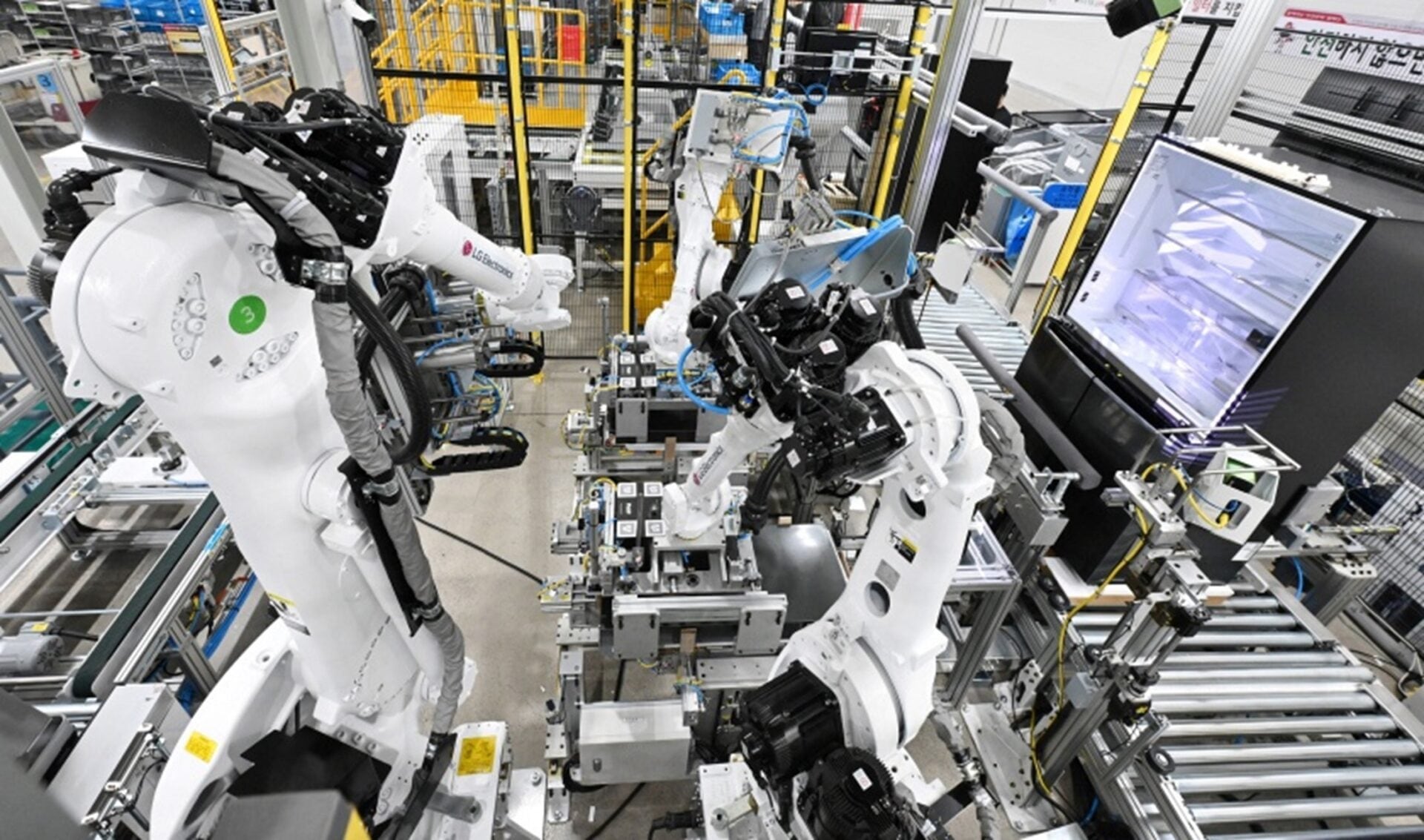
At the same time, simple labor jobs—including technical, machine operation, and assembly roles—have also seen a decline for four consecutive years. The number of workers in these categories dropped from 9,242,000 in 2023 to 8,832,000 in the first quarter of this year. This decrease is primarily due to the widespread adoption of factory automation, which has replaced many manual tasks with machines and robotics.
In addition, the rise of restaurants and cafes using kiosks and unmanned ordering systems, along with the growing dominance of online shopping, has contributed to a 12-year consecutive decline in sales workers at large marts since 2015. These trends indicate a shift in consumer behavior and a corresponding change in the demand for certain types of labor.
Growth in the Service Sector
Despite the declines in managerial and labor positions, the service sector has experienced significant growth. In the first quarter of this year, service sector employment reached a record high of 3,675,000, showing an annual increase since 2020 (excluding the pandemic year). This surge is largely due to increased hiring in elderly care roles, such as caregivers and welfare center staff, driven by South Korea’s rapidly aging population.
Among the 234 industries classified by the statistics agency, the “non-residential welfare facility operation industry” employed 1,770,000 workers in the second half of last year, accounting for 6.1% of total employment. This sector has overtaken the food service industry, which had been the top employer until the first half of last year.
Implications for the Future
The changing employment landscape highlights the need for workers to adapt to new economic realities. As AI and automation continue to reshape industries, there is a growing demand for skills in technology, healthcare, and other emerging fields. Governments and businesses must work together to provide training and support for those affected by these shifts, ensuring a more resilient and adaptable workforce.
With the continued evolution of technology, it is clear that the future of employment will be shaped by innovation, efficiency, and the ability to respond to changing market conditions.
