Ancient Tools Challenge Civilization's Timeline
Key Discoveries from Stone Tool Analysis
A recent study on stone tools found at various archaeological sites in Southeast Asia has revealed groundbreaking insights into the region's ancient seafaring capabilities. These findings suggest that Southeast Asia was not only a hub of early human activity but also a technological leader in maritime advancements. The research challenges previous assumptions about the development of seafaring technologies and highlights the sophistication of ancient societies in this part of the world.
Early Evidence of Advanced Seafaring
Archaeological evidence points to the fact that people living in Southeast Asia 40,000 years ago were highly skilled in boatbuilding and open-sea fishing. This discovery is significant because it redefines our understanding of how early humans spread across the globe. For a long time, researchers have puzzled over how the islands of Southeast Asia became densely populated so early in human history. This new research suggests that advanced seafaring technology played a crucial role in this process.
Technological Leadership in Ancient Times
The study, published in the Journal of Archaeological Science, presents compelling evidence that Southeast Asian societies were ahead of Europe and Africa in terms of technological progress during the Paleolithic era. Researchers from Ateneo de Manila University argue that the traditional view of technological development being centered in Africa and Europe is outdated. Their findings indicate that the people of the Philippines and other parts of Southeast Asia were mastering seafaring techniques long before similar advancements were seen elsewhere.
Stone Tools as Clues to Maritime History
One of the most important pieces of evidence comes from stone tools discovered at sites in the Philippines, Indonesia, and Timor-Leste. These tools show clear signs of plant processing, including the extraction of fibers used for making ropes, nets, and bindings—essential components for boatbuilding and fishing. This suggests that these ancient seafarers had a deep understanding of materials and their uses.
In addition to the stone tools, archaeologists have uncovered fishing hooks, gorges, and net weights, along with remains of deep-ocean fish such as tuna and sharks. These discoveries paint a vivid picture of a society that was not only adept at navigating the seas but also capable of sustained fishing activities in open waters.
Insights into Ancient Fishing Practices
The presence of large predatory pelagic fish at these sites indicates that ancient seafarers had the knowledge and skills to track seasonal migrations and fishing patterns. The need for strong, well-crafted cordage for ropes and fishing lines further underscores the complexity of their maritime activities. According to the study authors, these findings suggest that the people of Southeast Asia were using advanced techniques to catch marine life, which required both technical skill and an understanding of oceanic environments.
Boat-Building and Rope Technology
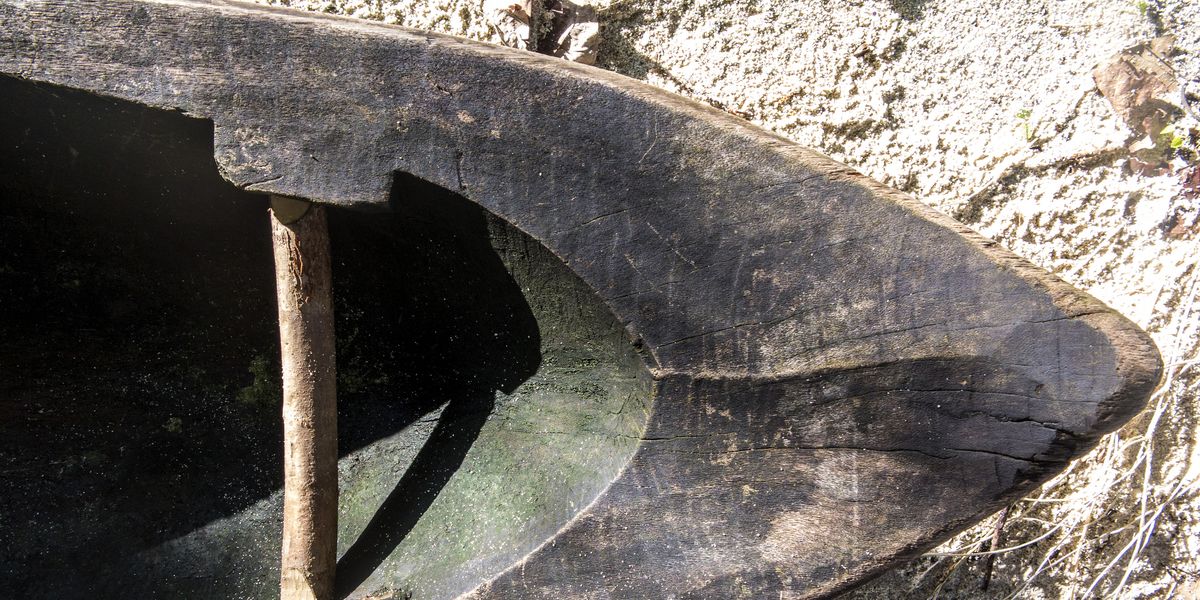
The researchers believe that ancient seafarers constructed boats from organic materials and held them together using plant-based ropes. This same rope technology was then adapted for use in fishing. The ability to create durable and functional boats would have allowed these early navigators to travel long distances and reach remote islands.
Challenging Prevailing Theories
While it is widely accepted that the movement of early humans across islands was facilitated by seafaring, the prevailing theory has been that these migrations were passive, relying on natural drift or simple bamboo rafts. However, the study’s authors argue against this notion, suggesting instead that these early migrants were skilled navigators who possessed the knowledge and technology to travel across deep waters.
Importance of Maritime Technology
The identification of boat-building materials through direct or indirect evidence is essential for understanding how early humans moved across island environments. The study emphasizes that the presence of advanced maritime technology in prehistoric Southeast Asia highlights the ingenuity of early peoples in the region.
Legacy of Maritime Innovation
The findings from this research suggest that the region may have been a center for technological innovation tens of thousands of years ago. The boat-building knowledge of these ancient seafarers laid the foundation for the maritime traditions that continue to thrive in Southeast Asia today. This discovery not only reshapes our understanding of human history but also celebrates the enduring legacy of innovation in the region.
