Fifth-Gen Insurance: Lower Premiums, Rising Non-Severe Costs

Overview of the Fifth-Generation Actual Expense Insurance
The fifth-generation actual expense insurance, set to launch on the 6th, introduces a new structure aimed at lowering premiums while increasing out-of-pocket costs for individual medical services. This shift is intended to address the rising premiums seen in previous generations, which were driven by excessive medical use. The new model reduces both payments and coverage but strengthens core protections for severe inpatient treatments to mitigate high medical costs.
This insurance will be available through 16 insurance companies starting on the 6th. Consumers can apply via in-person visits, agents, online platforms, or call centers. Existing policyholders from the first to fourth generations can switch to the fifth generation without additional review. Contracts can be canceled within six months if no claims are made, or within three months even if a claim occurs. Those who delay switching will automatically transition to the fifth generation when their renewal period arrives—15 years for third-generation and five years for fourth-generation policies.
Historical Context and Changes
Previously, actual expense insurance concentrated payouts among a minority. While 65% of policyholders paid premiums without receiving benefits, the top 10% accounted for approximately 74% of total payouts. This structure led to overall premium hikes driven by specific users’ medical consumption. The scale of actual expense insurance payouts grew from 8.4 trillion Korean won in 2018 to 15.2 trillion Korean won in 2024—a significant 81% increase over six years.
Key Features of the Fifth-Generation Insurance
The fifth-generation insurance reduces premiums by approximately 30% compared to the fourth generation. For example, a 40-year-old male’s monthly premium drops from 20,000 Korean won to around 14,000 Korean won. First- and second-generation policyholders will see premiums halved or more.
A key feature of the fifth generation is the new classification of non-covered (비급여) treatments into severe and non-severe categories, with differentiated coverage. Costs saved from curbing excessive medical use are redirected to essential care.
Under the fourth generation, policyholders covered 20% of co-payments for insured (급여) treatments and 30% for non-covered treatments, with the insurer covering the remaining 80% and 70%, respectively. The annual limit for non-covered treatments was 50 million Korean won, with no admission restrictions.
The fifth generation maintains these non-covered benefits for severe cases but introduces a “self-pay cap” of 5 million Korean won annually for inpatient care at top-tier hospitals, with insurers covering the rest. This strengthens protection against high non-covered treatment costs.
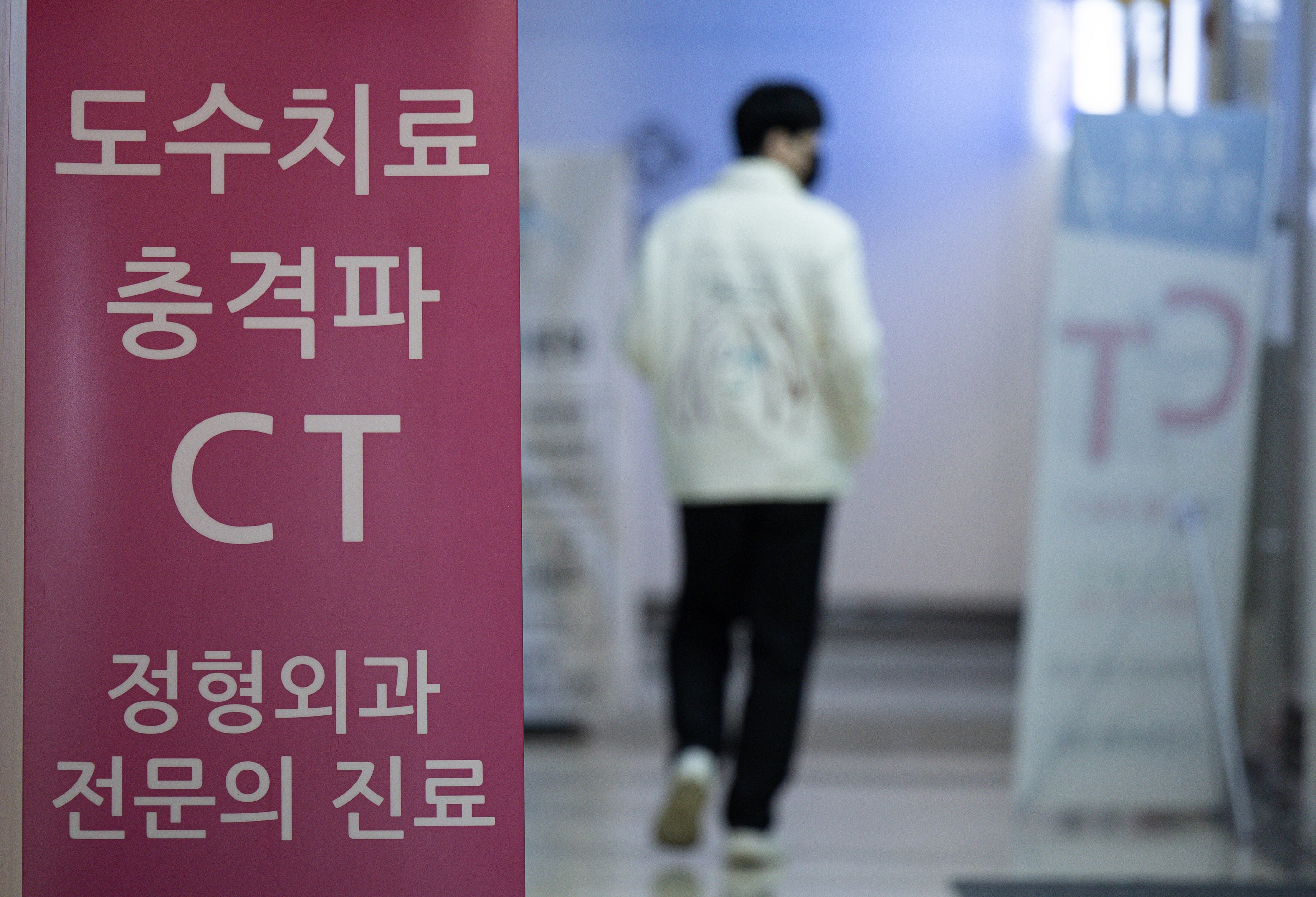
For non-severe cases, out-of-pocket costs rise. The annual limit for non-severe non-covered treatments drops from 50 million to 10 million Korean won, and the co-payment rate increases from 30% to 50%. Outpatient coverage for non-severe non-covered treatments is capped at 200,000 Korean won per day, significantly raising patient costs for short-term repeated use.
The fourth generation bundled treatments like physical therapy and non-covered injections under annual limits. The fifth generation covers these within limits if deemed severe but excludes non-severe cases entirely.
MRI (Magnetic Resonance Imaging) and other high-cost tests are covered only if medically necessary; simple diagnostic purposes increase patient costs.
Co-payment structures for insured treatments are also adjusted. Outpatient co-payments now vary by medical institution level, aligned with national health insurance rates: 30% for clinics, 40% for hospitals, 50% for general hospitals, and 60% for top-tier hospitals. For example, a 500,000 Korean won outpatient bill at a hospital would leave a 200,000 Korean won co-payment after national insurance coverage. The fourth generation covered 80% (160,000 Korean won) of this, leaving 40,000 Korean won; the fifth generation covers 60% (120,000 Korean won), raising the patient’s share to 80,000 Korean won. This aims to reduce overcrowding at large hospitals.
Newly covered under the fifth generation are insured treatments for pregnancy, childbirth, and developmental disorders.
Membership Benefits
월 5900원 멤버십, 신문 독자에게는 2900원, 조선멤버십
55000원 상당의 신문-잡지 8종 마음껏 보기, 조선멤버십
현금처럼 쓸 7000포인트 받아 알뜰한 쇼핑, 조선멤버십
