Grand Valley State University to Get $1M for Responsible AI Research
Michigan's Initiative to Lead in Ethical AI Development
As artificial intelligence (AI) becomes more deeply embedded in daily life, leaders in Michigan are taking proactive steps to ensure that its development is both responsible and beneficial. One such effort is the establishment of the West Michigan Trustworthy Artificial Intelligence Consortium, which aims to position the region as a leader in ethical AI research and innovation.
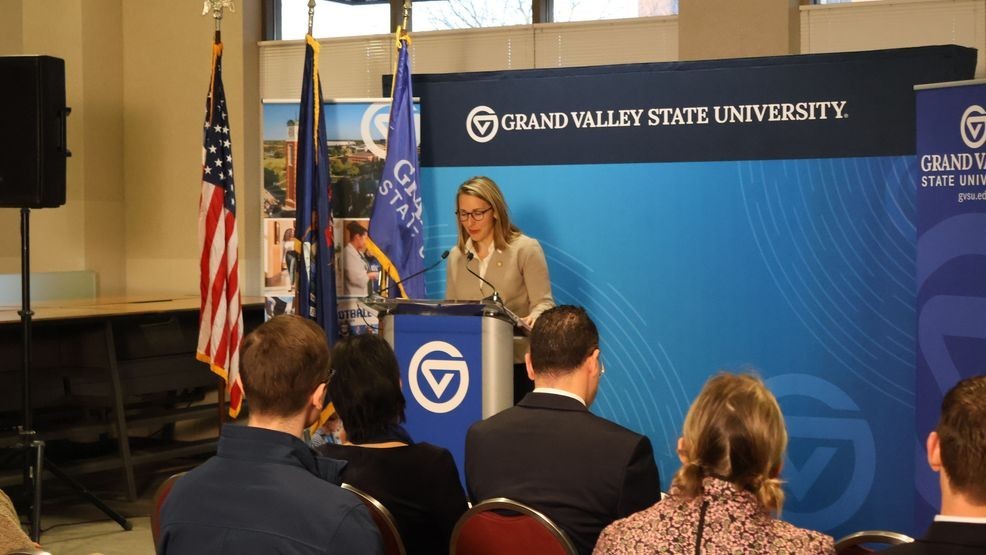
Representative Hillary Scholten (D-MI) recently announced that Grand Valley State University (GVSU) will receive $1,031,000 in federal funding to launch this initiative. The goal of the consortium is to create a collaborative environment where educators, industry professionals, and public partners can work together to develop AI systems that are ethical, secure, and transparent.
Scholten emphasized the importance of investing in trusted institutions and people to guide the future of AI. "West Michigan should be leading the way in how artificial intelligence is developed and used, and that starts with investing in people and institutions we trust," she said. "This funding will help GVSU bring together educators, industry, and public partners to build AI systems that are ethical, secure, and transparent while preparing students for good-paying jobs and strengthening our region’s economy."
The funds will be allocated toward hardware and computing resources, software, licensing, and cloud services. These resources will support the university’s efforts to create an environment conducive to ethical AI research and innovation.
GVSU President Philomena V. Mantella highlighted the significance of the initiative within the broader context of the Blue Dot ecosystem. "The West Michigan Trustworthy AI Consortium is just one example of the power of our Blue Dot ecosystem," she said. "By bringing expert researchers, resources and industry partners together to work with our students, Grand Valley will explore ethical ways to harness AI to enrich our lives and build a brighter future for our country."
The funding was made possible through the Community Project Funding (CPF) process. Each year, Congress considers appropriations bills that fund the federal government, and the CPF process allows members of Congress to request resources for local projects. This initiative reflects Scholten’s ongoing commitment to bringing federal investment back to Michigan’s Third Congressional District.
Key Components of the Consortium
- Hardware and Computing Resources: Essential for developing and testing AI models.
- Software and Licensing: Necessary for accessing advanced tools and platforms.
- Cloud Services: Provide scalable infrastructure for data storage and processing.
- Collaboration with Industry Partners: Ensures that research aligns with real-world applications and needs.
The consortium represents a significant step forward in ensuring that AI development in Michigan is guided by ethical principles and community interests. By fostering collaboration between academia, industry, and public stakeholders, the initiative aims to create a model for responsible AI innovation that can be replicated elsewhere.
As the field of AI continues to evolve, it is crucial that communities like West Michigan take the lead in shaping its future. Through initiatives like the West Michigan Trustworthy Artificial Intelligence Consortium, the region is not only investing in technology but also in the values that will define its impact on society.
