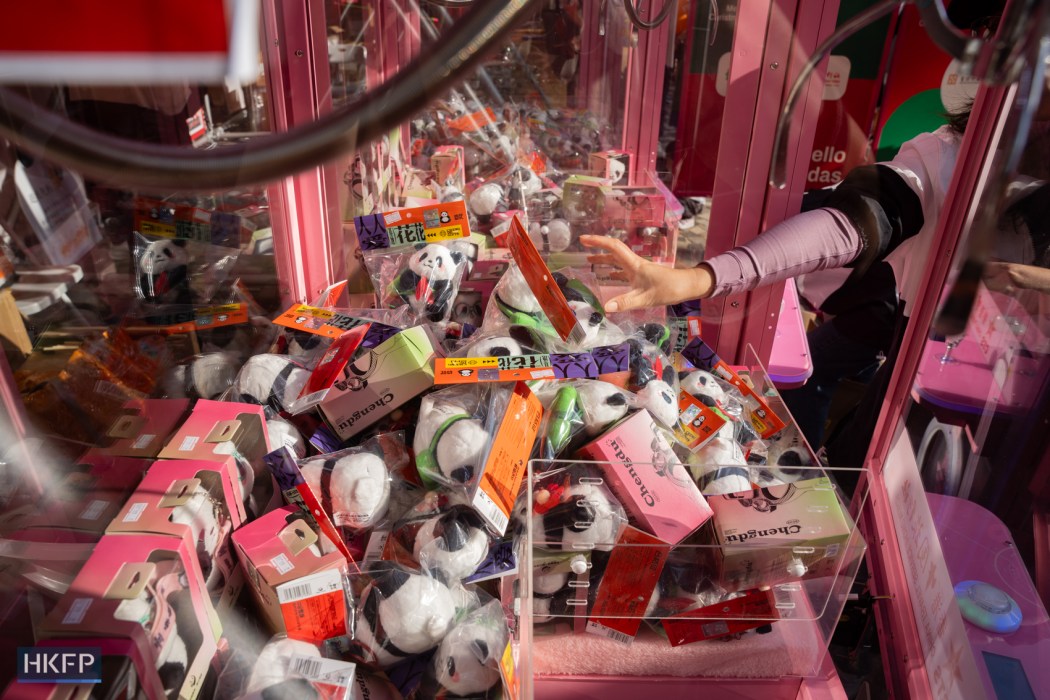
Hong Kong Tightens Claw Machine Rules Amid Addiction Concerns

Hong Kong authorities have introduced a proposal aimed at strengthening the regulation of claw machine shops by implementing a licensing system. This initiative is designed to address concerns related to addiction and potential harm to participants, particularly young people.
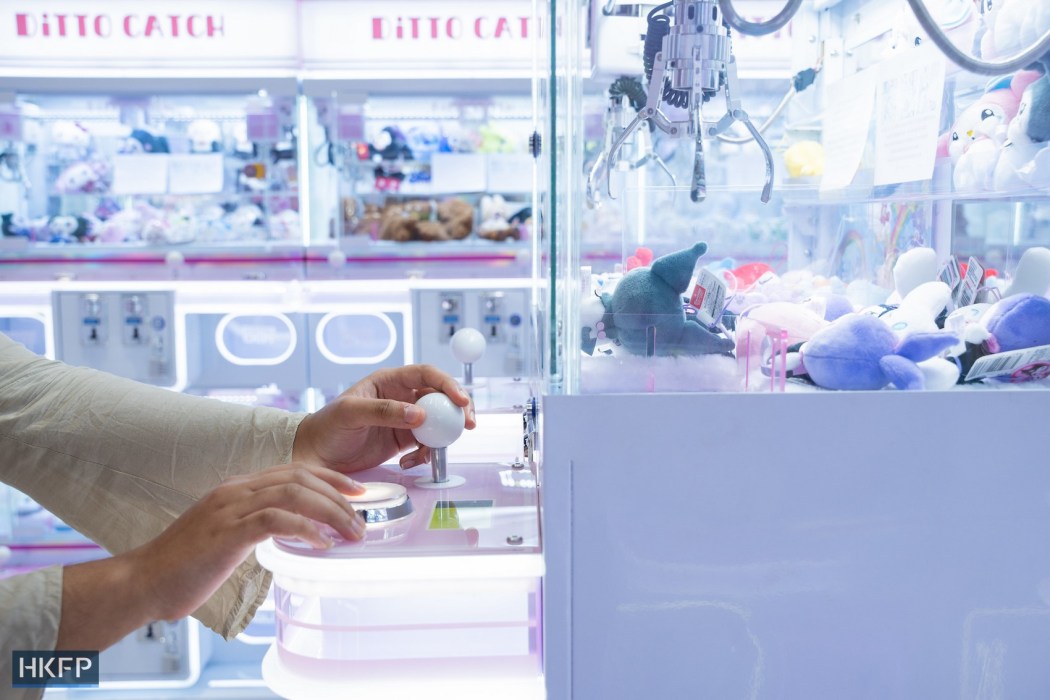
The Home and Youth Affairs Bureau’s proposal was included in a document submitted to the Legislative Council (LegCo) on Monday. The move comes as claw machine shops have become increasingly common in the city, offering a low-maintenance business opportunity. According to the bureau, these activities may involve gaming elements or pose addiction risks, which could lead to physical or mental harm or significant financial loss for participants.
To mitigate these risks, the government is considering new requirements such as posting a notice that indicates the devices are licensed. Additionally, the bureau is exploring the possibility of adding mandatory addiction warning labels on the machines. A list of licensed premises has also been uploaded to the Home Affairs Department’s Office of the Licensing Authority, as stated in the document.
The proposed regulations will be governed under Hong Kong’s Gambling Ordinance, which currently requires claw machine shops to hold an Amusement With Prizes Licence (AWPL). Before this licence can be issued, a venue must also hold a public entertainment licence. However, a 2022 High Court ruling determined that claw machines do not meet the definition of “entertainment” and therefore do not require a public entertainment licence. This created a regulatory gap that the current proposal aims to address.
The bureau is suggesting the removal of the requirement for a public entertainment licence, allowing the Home Affairs Department to issue AWPLs directly. This change would streamline the licensing process and ensure better oversight of the industry.
Prize caps and addiction risks
During an interview on an RTHK programme, lawmaker Vincent Cheng expressed general agreement with the government’s proposal but raised concerns about its potential impact on the industry. He emphasized the need to consider whether the new regulations might stifle the development of the business.
“We have to consider whether [the regulation] will affect the industry’s development,” he said, urging the government to “strike a balance.” His comments highlight the delicate nature of regulating an industry that, while profitable, also poses social and health risks.
Lawmaker Bill Tang, who chairs the LegCo Panel on Home Affairs, Culture and Sports, supported the tightened regulations. He noted that some claw machine operations had evolved beyond their original purpose as leisure activities. In certain machines, prizes now include high-value items such as mobile phones, which can encourage gambling behavior.
Tang proposed imposing a HK$5 limit on the fee for each game and capping the value of each prize at HK$300. These measures aim to reduce the risk of excessive spending and addiction among users.
Regulating internet cafes
In addition to claw machine shops, the bureau has also proposed to regulate internet cafes. This includes moving away from a Code of Practice model and introducing a mandatory licensing system.
One option being considered is aligning internet cafes with the regulatory framework for traditional gaming arcades. This would involve strict age restrictions for adult- or children-only venues and a ban on students wearing school uniforms. Another model would allow cafes to operate if they meet strict safety conditions.
These proposals are scheduled to be discussed at the legislature on Monday, marking an important step in shaping the future of entertainment and recreational facilities in Hong Kong.