Is Tech Integration Essential in Liberia's Schools?
The Role of Technology in Modern Education
The introduction of computers and smart boards as instructional tools has significantly transformed classroom strategies, particularly in Western countries. Technology has revolutionized the environment in which schools operate, compelling them to design curricula that empower students to educate themselves beyond traditional classroom walls.
One of the most significant technological advancements in recent times is the development of computers. These devices have become integral to various aspects of daily life, including transportation, record keeping, personal booking, business transactions, and banking. Their application has been a blessing to humanity, with computers serving as effective learning tools. In schools, students can now access and download information from the internet, utilize databases for research, and use word processors to write reports. Additionally, computers help school administrators and clerical staff enhance their productivity and efficiency.
Governorsolution.com outlined eight reasons why SMART Boards are essential in modern classrooms. These interactive whiteboards represent state-of-the-art technology in the education industry. Here are some key attributes:
-
Provides Flexibility: Interactive whiteboards allow for various forms of media, such as photos, illustrations, maps, graphs, games, and videos. This flexibility enriches the classroom experience and expands the content available for learning. The dynamic nature of SMART Boards makes learning more engaging.
-
Enhanced Teaching/Learning Experience: SMART Boards offer new ways for teachers to teach and students to learn. They cater to diverse learning styles, enabling visual learners to see projected elements, audio learners to listen and discuss, and tactile learners to interact with the board.
-
Interact and Share: The interactive nature of SMART Boards allows students to participate actively in the instructional process. Learners can demonstrate their understanding by touching, drawing, and writing on the board. Immediate feedback helps identify individual strengths and weaknesses.
-
Low-Maintenance: SMART Boards are easy to use and maintain. There is no need for cleaning or using unhygienic materials like chalk or markers. The data on the screen can be modified using a specialized tool.
-
Access to Online Information & Tools: SMART Boards provide access to a rich database of online resources. Teachers can use these tools to reinforce lessons, while students can conduct research and supplement their studies.
-
Going Green: Interactive boards promote environmental sustainability by reducing the need for paper, ink, and other materials. This helps minimize waste and pollution.
-
Technology Integration: SMART Boards can integrate various technologies, such as microscopes and cameras, to aid in instruction. They also support a wide range of software applications, enhancing the learning experience.
-
Communication: Interactive whiteboards facilitate connectivity and collaboration, making them ideal for distance learning. Students can collaborate and participate more actively in lessons.
Schools in the United States and other developed nations are gradually adopting SMART Boards in their classrooms. These devices improve learning outcomes and influence how teachers deliver lessons. With a simple touch, students can download information from the internet instantly, while teachers can draw diagrams and display graphics to make learning enjoyable.
Whitehead, Jensen, and Boschee highlighted the positive impact of technology on student achievement. They noted that technology enhances performance, improves learning attitudes and confidence, provides essential instructional opportunities, increases collaboration, and fosters problem-solving skills. It also helps students master vocational skills and improves writing abilities.
The presence of technology in classrooms enables teachers to act as facilitators of student learning, shifting from teacher-driven strategies to student-driven adventures. This transformation helps students become lifelong learners.
Conclusion
The creation and introduction of computers, the internet, and SMART Boards continue to have a lasting impact on teaching strategies, making schools vibrant places of learning and excitement for children. Introducing SMART Boards into Liberian classrooms could revolutionize the country's education system. Technological knowledge and skills can develop critical thinking among young minds, leading to better political leadership and medical advancements.
Modernizing Liberia's education system offers numerous benefits, including bridging the digital divide and preparing students for a 21st-century workforce. While ICT policies exist, many students still graduate without basic computer literacy. Implementing digital labs and interactive tools is vital to overcoming educational gaps and fostering innovation.
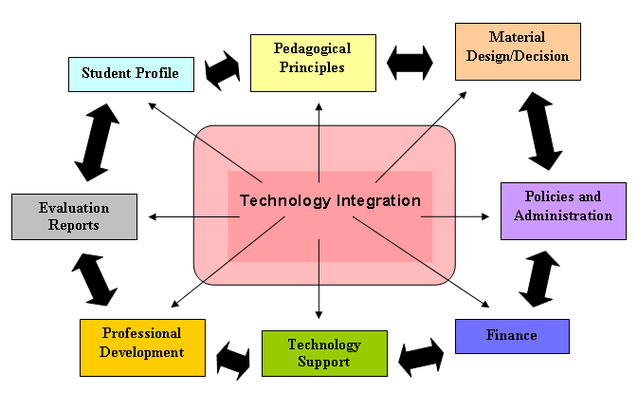
Integrating technology is not just about equipment; it involves transforming pedagogy to ensure Liberian students can compete globally. Addressing current gaps, as emphasized by the Ministry of Education's push for digital literacy, is essential.
The Author
Mr. Edmund Zar-Zar Bargblor is an educator who has worked in various systems, including the Providence Schools Department in Rhode Island, the Washington, D.C. School System, and the Bong Education System in Liberia. He holds degrees from Cuttington University, Howard University, and the Israel Institute of Technology. He previously served as Deputy Managing Director of the National Port Authority of Liberia. You can contact him at edmundbargbor@gmail.com.
