Samsung's pivot beyond hardware as China rivalry escalates
Strategic Shifts in Samsung’s Television Division
Samsung Electronics has recently made a surprising leadership reshuffle in its television division, signaling a potential shift in strategy. Analysts believe this move reflects a strategic pivot away from a traditional hardware-led model, driven by the increasing competition from Chinese brands that are closing in on Samsung's long-standing global dominance in the television market.
The South Korean tech giant appointed Lee Won-jin, who previously led its global marketing office, to head the visual display business. Samsung stated that Lee was expected to spearhead business turnarounds and identify new growth areas, thereby strengthening competitiveness. This appointment is notable as it breaks with tradition, as Samsung's TV chiefs had typically risen through hardware development roles, and leadership changes were usually made at year-end rather than midyear, according to industry officials.
Lee is credited with expanding the company's services ecosystem, including Samsung TV Plus, which offers more than 130 free streaming channels on internet-connected devices. His experience also includes leading advertising solutions at Google in North America and serving as CEO of its Korea unit.
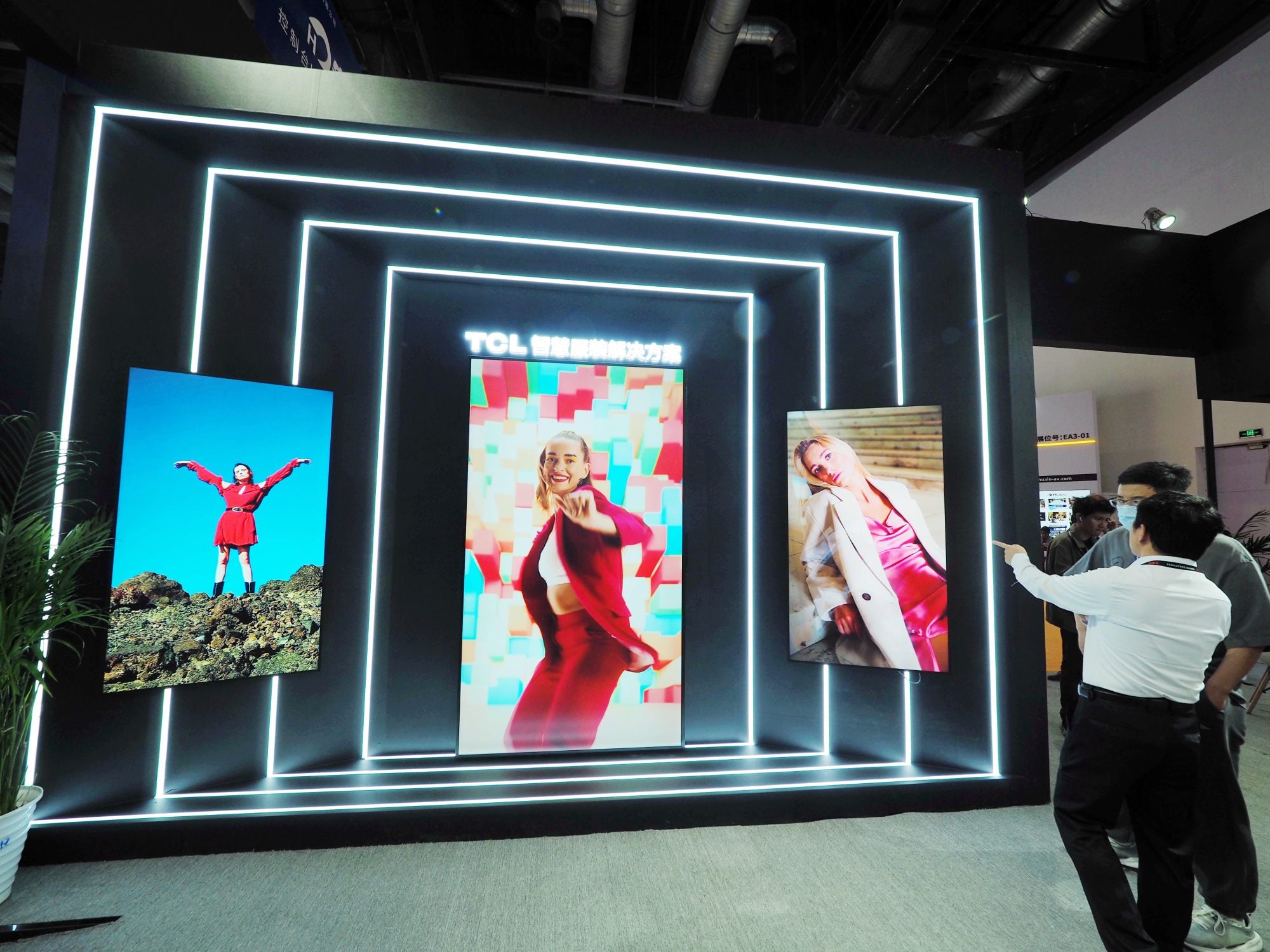
This leadership change comes amid intensified competition in the global TV market, where Chinese manufacturers are rapidly narrowing the gap not only in entry-level products but increasingly in the premium segment. Analysts suggest that the shift in leadership signals a broader transition towards a platform-based strategy, integrating Samsung's Galaxy devices, home appliances, advertising capabilities, and AI assistants into a connected ecosystem.
Troy Stangarone, a non-resident fellow at the Carnegie Mellon Institute for Strategy and Technology, noted that the change reflects an effort to unlock new revenue streams beyond TV sales. "Samsung won't be able to compete with China on price, and Chinese firms are catching up in technology and quality," he said. "To maintain an edge, Samsung needs to focus on integrated services and maximize revenue from post-sale offerings and data analytics."
Despite these challenges, Samsung is still expected to retain its lead in the global TV market this year with a 16.2 per cent share, ahead of TCL's 14.4 per cent, according to January data from Sigmaintell Consulting. However, its two-decade dominance could come under threat as early as 2027. TCL, which had signed a joint venture with Sony set to take effect that year, could overtake Samsung with a projected 16.7 per cent market share, the Beijing-based consultancy said.
At the same time, shifting media consumption habits—particularly the move from TV screens to smartphones—are weighing on long-term demand. Samsung's TV and home appliance divisions recorded a combined operating loss of about 200 billion won (US$145 million) last year. Although operating profit recovered to 200 billion won in the first quarter, it remained about one-third lower than a year earlier.
As part of efforts to streamline underperforming operations, Samsung planned to halt TV and home appliance sales in China and exit the market within the year, according to Japan's Nikkei. Sources familiar with the matter indicated that job cuts were also underway in some underperforming China units.
Key Takeaways from the Market Shift
- Leadership Changes: The appointment of Lee Won-jin marks a significant departure from traditional leadership patterns within Samsung.
- Market Competition: Chinese manufacturers are challenging Samsung's dominance, especially in the premium segment.
- Platform-Based Strategy: Samsung is focusing on integrating various services and devices into a connected ecosystem.
- Financial Challenges: Samsung faces financial pressures, with losses reported in the TV and home appliance divisions.
- Strategic Adjustments: Samsung is considering exiting certain markets and streamlining operations to improve efficiency.
