The 2026 Subaru Forester Wilderness: Tech That's Good, Not Great
Key Points
The Subaru Forester and the Outback were redesigned just one year apart, but their technological advancements are not on par with each other. While the Forester is the brand's top-selling vehicle, the tech in the Outback surpasses it significantly.
The Forester still relies heavily on its touchscreen for basic functions, a design choice that carries over from the previous generation. This approach contrasts sharply with the user-friendly design seen in the Outback, which represents a more forward-thinking approach to user experience.
Touchscreen reliance and user-friendliness are often at odds, and this conflict is evident in the Forester’s design. Despite being a hit with consumers, the Forester's tech setup leaves much to be desired when compared to the Outback.
The Forester's Continued Success
By all accounts, the 2025 Subaru Forester was a huge success with car buyers. Its sales remained strong in 2025, with around 175,000 units sold, maintaining its position as the brand's best-selling vehicle. The redesigned model has a more SUV-like appearance while also offering a refined look. It has moved away from some of its quirky features, such as the crab-claw headlights and taillights, but still retains its famous upright design, large greenhouse, and unique interior styling and tech.
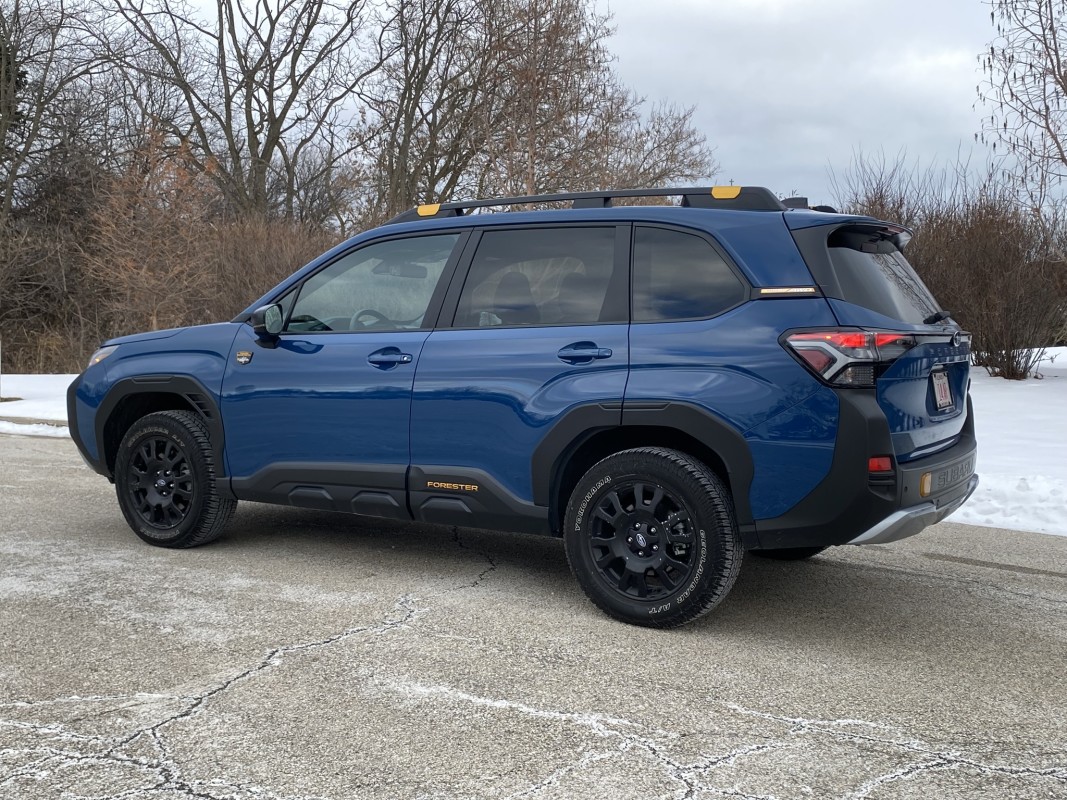
I recently drove a 2026 Subaru Forester Wilderness Edition and shortly after that, the 2026 Subaru Outback Limited. The user experience in the Outback is clearly superior, as it has ditched the portrait orientation and the screen-reliant climate controls. It raises the question: was it a misstep to keep the old tech and cabin setup for the brand's top seller?
For 2026, Subaru gave its larger Outback model a full redesign, which is why it's frustrating that the Forester didn't receive the same interior and tech overhaul. If any Subaru deserves the brand's best ideas in cabin design, screen layout, and usability-first technology, it should be the model that generates the most revenue.
A Missed Opportunity
The Forester is Subaru’s daily driver, and it should feel like one. However, the current tech setup falls short of expectations.
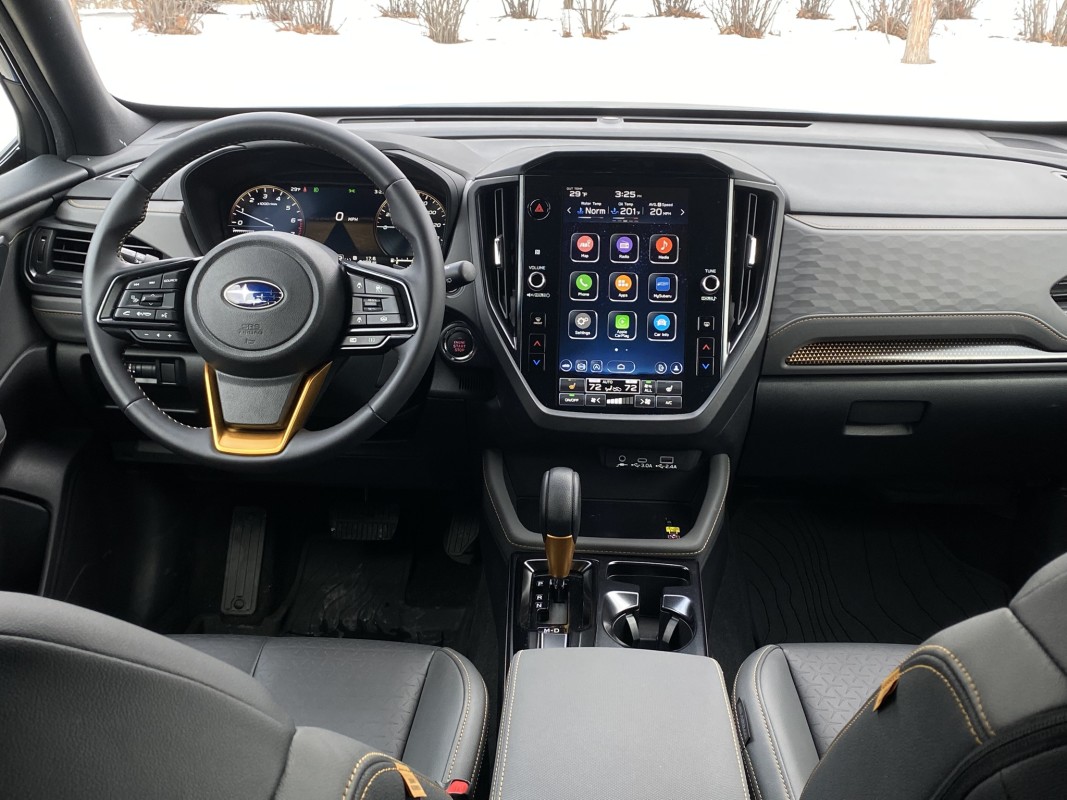
It's common for automakers to redesign one model while leaving another untouched. Redesigns are often staggered. I can’t recall many instances where two models are redesigned only a year apart, with one retaining the tech from the previous generation while the other gets fresh new tech. This is what Subaru did with the Forester. It has the same in-car tech setup as the 2024 model, and it's not a great system to begin with.
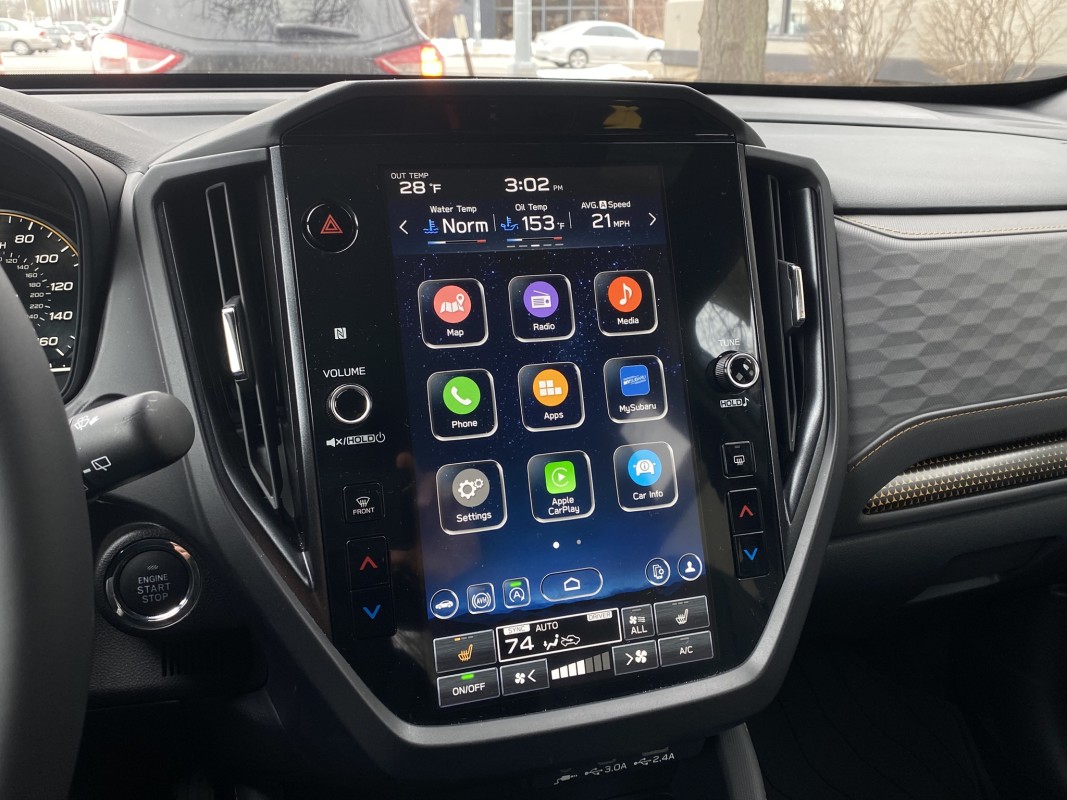
The system looks fine, but that's not the real issue. It's too reliant on the screen for climate controls, and it's unresponsive for the first minute after starting the car. Every time I started the Forester Wilderness, the screen would not respond to touch inputs. I tried using the screen to turn on the heated seat, change the temperature, and alter the fan speed, but there was no response. Worse, it played catch-up. I pressed the heated seat control three times to try to get it to work, and 20-30 seconds later, it cycled through all my inputs and then shut off the heated seat. That’s unacceptable and dangerously distracting.
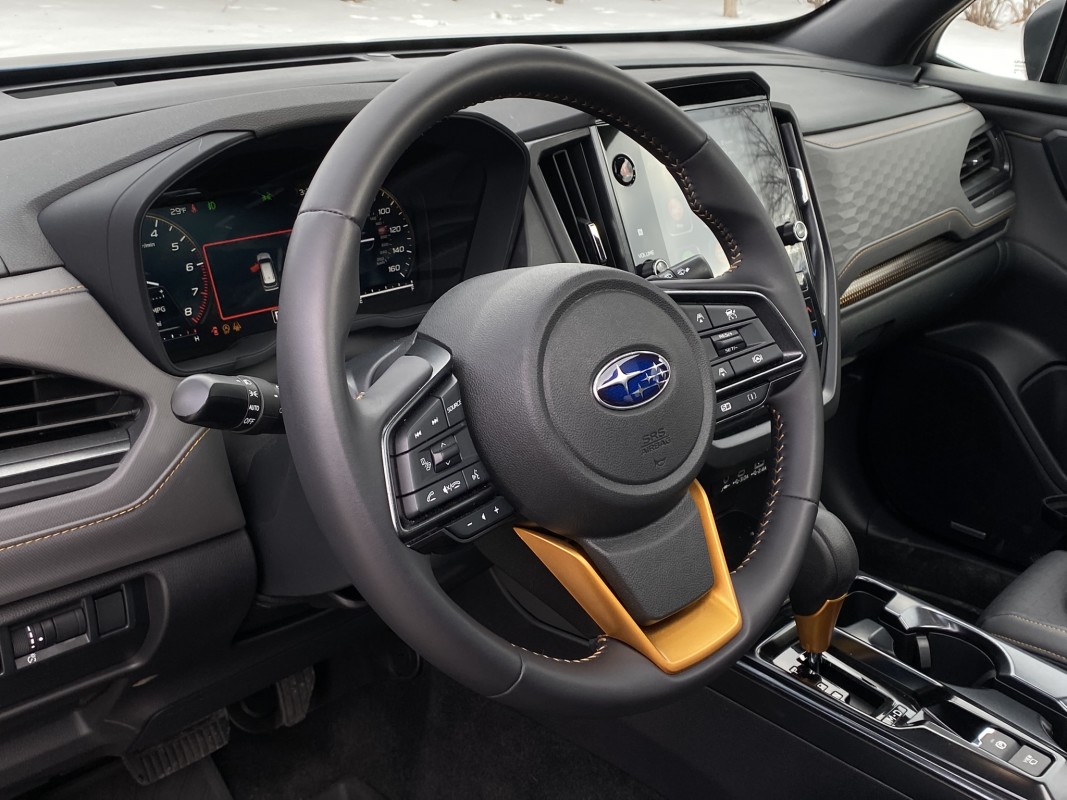
Because it's the sales leader, the interior usability and tech execution matter more in the Forester than anywhere else in the lineup. You're interacting with it when you're tired, distracted, rushed, and wearing gloves. You're adjusting the climate controls in traffic, a dually is bearing down on you, and the kids are hitting each other. You're connecting your phone in a hurry. You're relying on the interface to stay out of your way.
You bought the 2026 Forester, which is still a very good crossover, but then you see that the brand gave the Outback a more cohesive, modern interior strategy—better screens, a cleaner layout, and better physical controls—it feels like a badly missed opportunity not to have led with the Forester instead.
A Game-Changer for Subaru
Subaru finally figured out controls. The Forester should benefit most from this advancement.
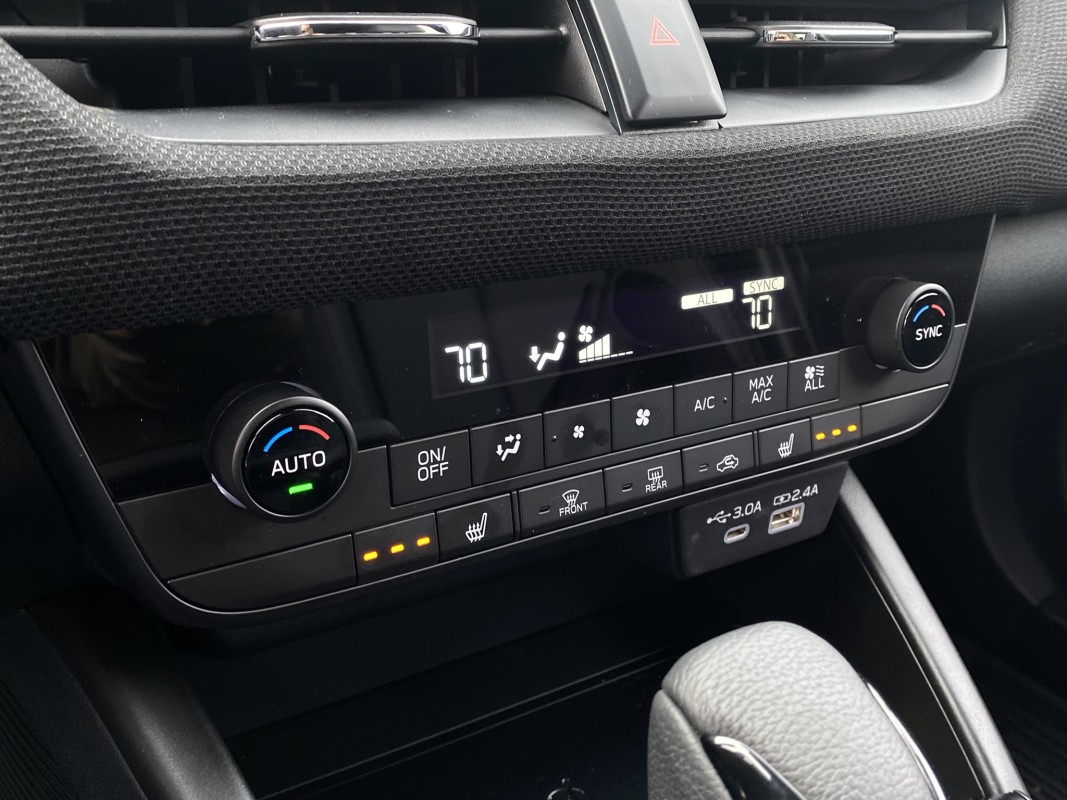
The Outback is a game-changer for Subaru when it comes to switchgear. It has a dedicated physical climate control panel with big temperature adjustment knobs, two lines of buttons, and an easily decipherable display screen that clearly shows the temperature setting, vent control, and fan speed. That's all you need, folks. It doesn't rely on the Forester's style of on-screen controls where they're all mashed together at the bottom of the touchscreen, just waiting for you to repeatedly tap them to no avail.
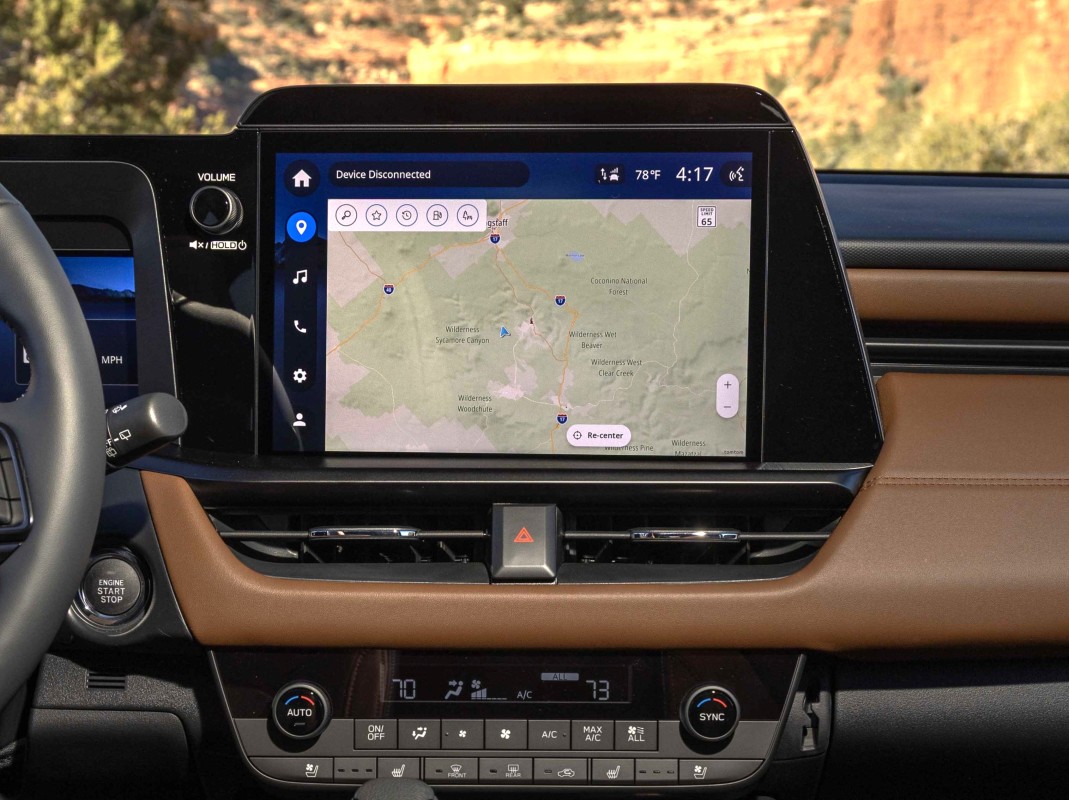
The 2026 Outback is easy, logical, and quick. Its responsiveness is appreciably better than the Forester's, as are the graphics. It eschews too many bright colors and replaces them with a more muted menu with a more logical layout. Physical controls are superb. Driving both models within a month of each other highlights the differences, and they are stark.
The Forester needs this setup badly, to the point where I would pay the extra money for an Outback just to not have to suffer the cabin experience of the Forester. If Subaru truly believes it’s moving toward a more user-friendly cabin philosophy, the Forester should be the model that benefits first and most consistently.
Final Thoughts
The Subaru Forester Wilderness Edition is family-friendly and practical, but it still suffers from the same tech setup that drops it a notch in my book. Here's hoping the Outback's tech trickles down to the Forester when it's due for a mid-cycle refresh. The Outback’s redesigned interior feels like the brand totally rethought its interiors, and it represents a serious leveling up rather than just a small change. The screens, switchgear, layout, and ergonomics all feel designed to work together. The Forester, meanwhile, still feels like it’s halfway between old Subaru and new Subaru. It offers modern features, but they don’t always feel unified into a single, intentional experience.
