AI STAR system aids azoospermia pregnancy success
Breakthrough in Male Infertility Treatment
Recent advancements in medical technology have opened new possibilities for couples facing infertility. A notable development is the successful pregnancies among men diagnosed with azoospermia, a condition characterized by the absence of sperm in the semen. These achievements are attributed to the "STAR (Sperm Tracking And Recovery)" system, developed by researchers at Columbia University in the United States.
The STAR system combines cutting-edge technologies such as advanced imaging, artificial intelligence (AI), robotics, and microfluidic engineering. It was created over a span of five years by Professor Zev Williams' team and has now entered formal clinical trials at the university’s infertility center.
Success Stories from Clinical Trials
One of the most remarkable cases involved a couple from New Jersey, who achieved pregnancy after two and a half years of trying. The husband was diagnosed with Klinefelter syndrome, a genetic disorder that results in an extra X chromosome and typically leads to near-complete absence of sperm in the semen.
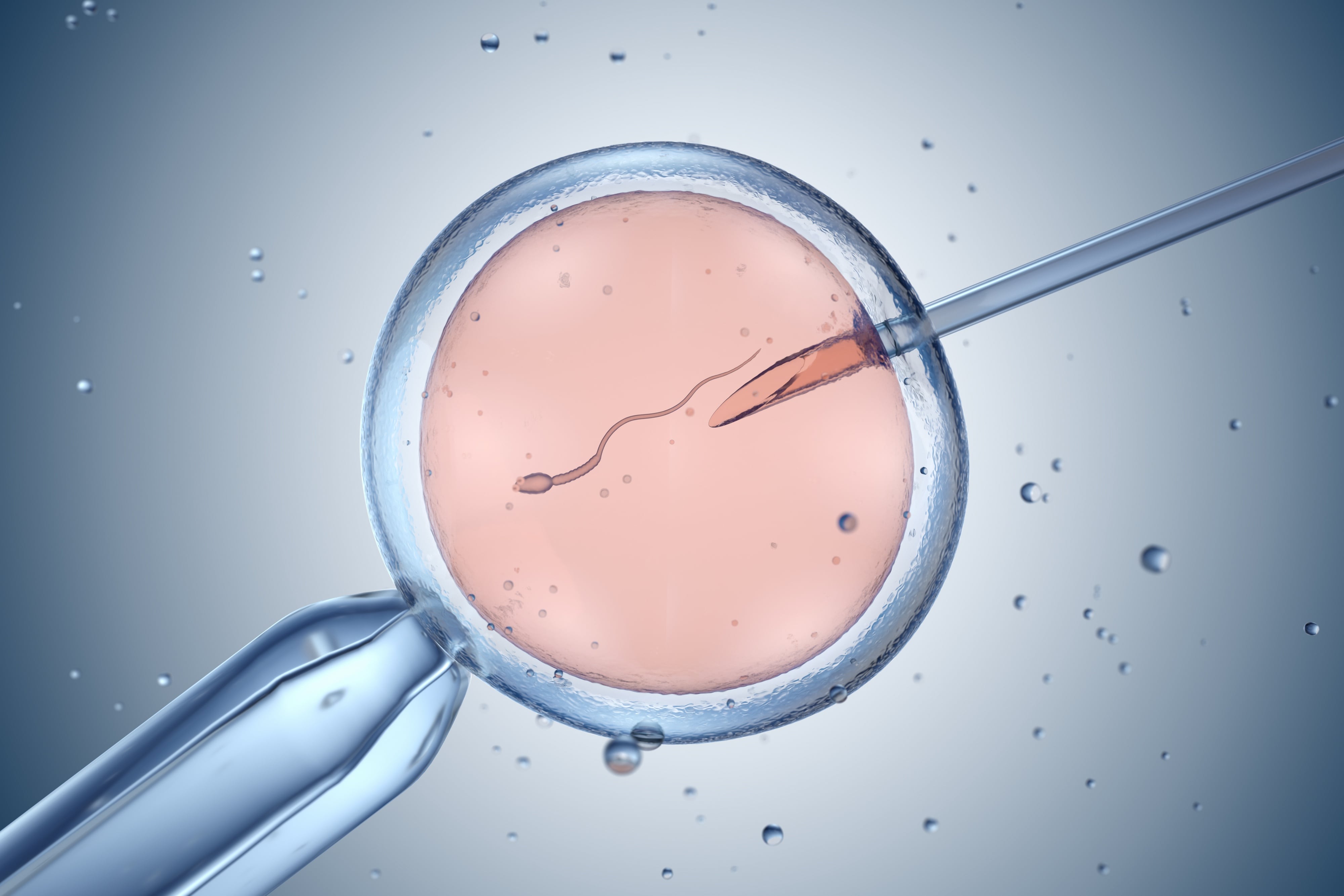
Using the STAR system, the research team extracted testicular tissue from the husband and employed AI to isolate eight sperm cells. These were then combined with the wife's eggs to create embryos. One embryo successfully implanted, and the baby is expected to be born around late July.
Another couple from New York also experienced success with the STAR system. After 20 years of infertility, they managed to conceive following multiple failed in vitro fertilization (IVF) attempts. Using the STAR system, the team identified two sperm cells from the husband’s semen, which were then used to create embryos. One of these embryos implanted successfully. Dr. Zev Williams expressed his excitement, stating, “The entire team jumped for joy when this couple became pregnant.”
How the STAR System Works
Inspired by astrophysics techniques used to detect new galaxies in vast space, the STAR system operates in three key stages:
- Image Capture: High-resolution images of a male patient’s semen sample are captured. AI algorithms analyze these images to identify rare sperm cells.
- Sperm Filtering: A specialized chip with channels thinner than a hair’s width is used to filter out sperm cells.
- Precision Extraction: A precision robot rapidly extracts the identified sperm cells.
According to the research team, the STAR system has already helped dozens of couples conceive. Of the 175 patients who have used the system, 30% successfully identified sperm.
Future Implications
The success of the STAR system marks a significant milestone in the treatment of male infertility. By leveraging advanced technology, researchers are providing hope to couples who previously had limited options. As the system continues to evolve, it may offer even more effective solutions for those struggling with fertility issues.
With ongoing clinical trials and further research, the potential applications of the STAR system could extend beyond its current use, potentially benefiting a broader range of patients in the future. This innovation not only highlights the power of interdisciplinary collaboration but also underscores the importance of continued investment in medical research.
