Apple to Pay $250M Settlement to iPhone Owners Over Misleading Claims
Apple Settles Class-Action Lawsuit Over Siri AI Claims
Apple has reached a significant settlement in a class-action lawsuit that alleged the company misled customers about the artificial intelligence (AI) features of its Siri voice assistant. The case, filed in the Northern District of California, accused the tech giant of false advertising by promoting "Enhanced Siri features" that were not yet available at the time of the iPhone's release.
The lawsuit claimed that Apple misrepresented the capabilities of its AI-powered services, creating a false impression among consumers that these advanced features would be available immediately upon purchasing an iPhone. According to the allegations, Apple "promoted AI capabilities that did not exist at the time, do not exist now, and will not exist for two or more years."
The company also allegedly used extensive marketing campaigns across the internet, television, and other media channels to build consumer expectations around these features. Plaintiffs argued that this strategy led many customers to purchase iPhones based on the belief that they would receive cutting-edge AI functionality right from the start.
Settlement Details and Eligibility
The proposed $250 million settlement is intended for U.S. consumers who purchased Apple devices compatible with Apple Intelligence between June 10, 2024, and March 29, 2025. Eligible devices include the iPhone 15 Pro, iPhone 15 Pro Max, iPhone 16, iPhone 16e, iPhone 16 Plus, iPhone 16 Pro, and iPhone 16 Pro Max.
Under the agreement, each eligible user is expected to receive approximately $25 per qualifying device. However, the final amount may vary depending on the number of claims submitted. According to court filings, around 37 million iPhone owners are likely to qualify for compensation.
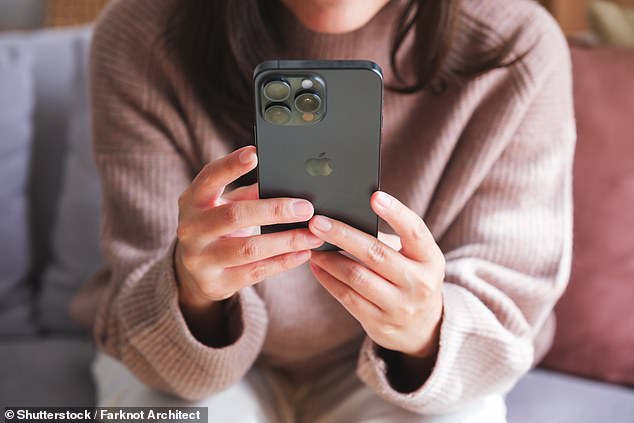
To file a claim, consumers must provide proof of purchase, such as the device’s serial number, Apple Account details, or associated phone number. The settlement received preliminary approval, and eligible users will soon receive notifications via email or mail with instructions on how to submit their claims through a dedicated settlement website.
Apple’s Response and Previous Controversies
In a statement, Apple acknowledged the settlement, saying, “Apple has reached a settlement to resolve claims related to the availability of two additional features.” The company emphasized its commitment to innovation and customer satisfaction, stating, “We resolved this matter to stay focused on doing what we do best, delivering the most innovative products and services to our users.”
The legal dispute centered on several high-profile AI features that Apple marketed as part of its new Apple Intelligence suite. Among the most criticized was the updated version of Siri, which was promoted as a more personalized assistant capable of deeper app integration and access to personal data stored on the device.
Another feature under scrutiny was “on-screen awareness,” which Apple claimed would allow Siri to interpret and act on information displayed on a user’s screen, such as automatically adding an address from a text message into contacts. Critics argued that these capabilities were absent when the devices were released.
The lawsuit also targeted Apple’s promotion of advanced generative AI tools, including image-generation features and enhanced writing assistants, which were advertised as part of the initial rollout of Apple Intelligence. However, these features were not widely available at launch.
In 2025, the National Advertising Division, a nonprofit organization focused on truth in advertising, raised concerns about Apple’s AI claims. The watchdog prompted Apple to pull a commercial titled “More Personal Siri,” which showcased features that had not yet been released to the public. The ad aired in September as part of Apple’s broader marketing campaign for its new AI-powered technology.
Months later, in March 2025, Apple admitted that some of the promised Siri upgrades would not be available as initially planned. The company announced that these features would be delayed until sometime in the following year.
