China's Astronaut Center Seeks Volunteers for Sleep Study
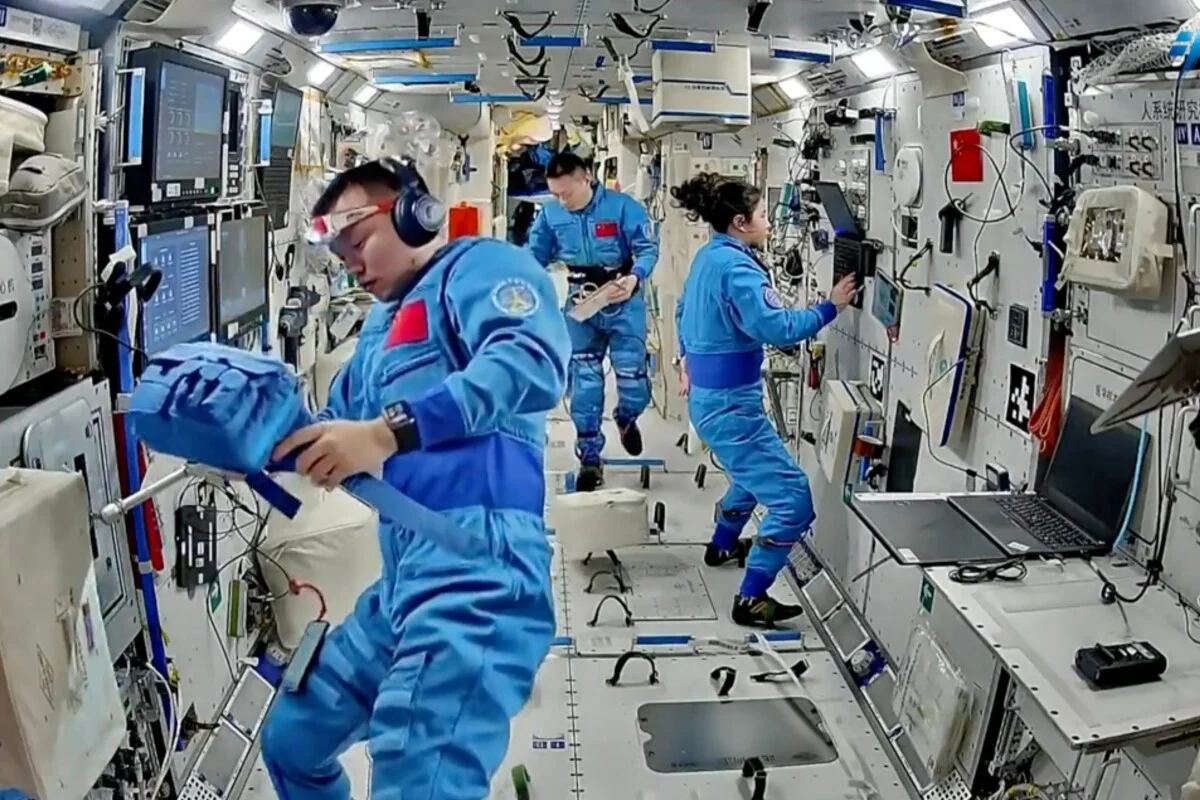
China is conducting a unique clinical experiment aimed at observing how the human body adapts to a simulated space environment. The study requires participants to live entirely on a special bed for a minimum of 15 days and a maximum of 60 days. The compensation offered can reach up to 70,000 yuan (approximately 15 million Korean won), making this an unusual but potentially rewarding opportunity.
According to recent reports, the Chinese Astronaut Research and Training Center (ACC) has officially launched the 'Earth-3' Bed Rest Experiment Program. This initiative aims to replicate the effects of low-gravity environments on Earth, preparing astronauts for long-term missions aboard space stations. By studying the physiological changes that occur during extended periods of bed rest, researchers hope to better understand the challenges of living in space and develop countermeasures to mitigate them.
The recruitment criteria for the experiment are quite strict. Only Chinese males between the ages of 30 and 55 are eligible. Participants must pass rigorous physical and psychological evaluations. Height requirements are set between 160 and 175 centimeters, and individuals who smoke, drink alcohol, or suffer from severe sleep disorders such as snoring or sleepwalking are excluded. Academic qualifications are not a factor in the selection process.
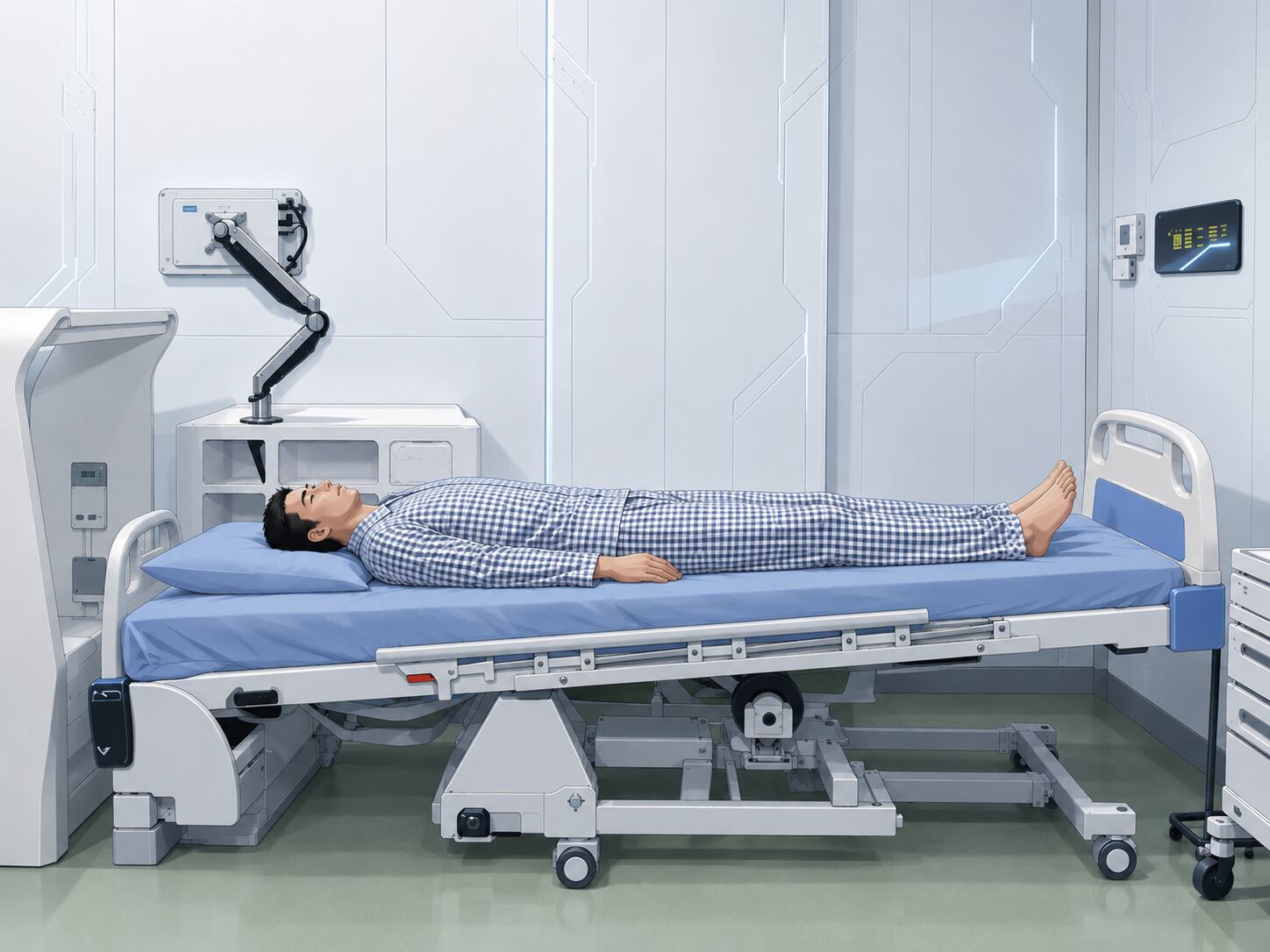
Selected participants will reside in a specially designed bed that simulates the conditions of microgravity. The bed is tilted with the head slightly downward at around 6 degrees, which is considered one of the most advanced methods for replicating fluid shifts that occur in a weightless state. All daily activities—such as eating, washing, and even using the bathroom—must be performed while lying down. Researchers will closely monitor changes in bone density, muscle mass, cardiovascular function, organ performance, and balance. Special equipment is also used to prevent skin damage and bedsores.
Participants will be randomly assigned to either a control group or an exercise group. The exercise group will follow a specific program designed to maintain physical activity while remaining in bed. This comparison will help scientists understand how different levels of activity affect the body during prolonged immobility.
The experiment will take place in Beijing from this month through August. Most participants will stay for 15 to 30 days, though the maximum duration will not exceed 60 days. Compensation varies depending on the length of participation, ranging from 20,000 to 70,000 yuan (approximately 4.3 million to 15 million Korean won). Recruitment will continue until the 20th, and some applicants have already been accepted.
This is not the first time the ACC has conducted such an experiment. In 2019, the 'Earth-2' Bed Rest Experiment involved 36 male participants who remained in bed for up to 90 days. These studies highlight China's growing interest in understanding the effects of space travel on the human body.
Key Details About the Experiment
- Eligibility: Chinese males aged 30–55, with no academic requirements.
- Physical Requirements: Height between 160 and 175 cm, no smoking or heavy drinking, and no severe sleep disorders.
- Bed Design: Tilted 6 degrees to simulate microgravity.
- Activities: All personal tasks must be done while lying in bed.
- Monitoring: Bone density, muscle mass, cardiovascular health, and balance are observed.
- Compensation: Ranges from 20,000 to 70,000 yuan based on participation duration.
- Duration: 15–60 days, with most participants staying 15–30 days.
- Groups: Control and exercise groups to compare outcomes.
Previous Experiments
- The 'Earth-2' experiment in 2019 involved 36 male participants who stayed in bed for up to 90 days.
- These studies provide valuable data for future space missions and astronaut health management.
Additional Information
- Participants are allowed to read and use smartphones during the experiment.
- Special measures are taken to ensure comfort and prevent medical complications.
- The research contributes to the broader goal of preparing for long-duration space travel.
